

Hip bursitis vs. arthritis: How to tell the difference

Fitness for longevity: Which type matters most?

Ministrokes linked to elevated risk of dementia

Continuous glucose monitors benefit people who don't need insulin

CoQ10: Should you take this popular supplement if you're on a statin?

Microplastics: A hidden health threat?

Oat vs. dairy milk: Nutrition, benefits, and downsides

What is tempeh? Benefits, nutrition, and how to use it

Healing after food poisoning

Whole grains may improve several heart risk factors at once
Contraception and birth control Archive
Articles
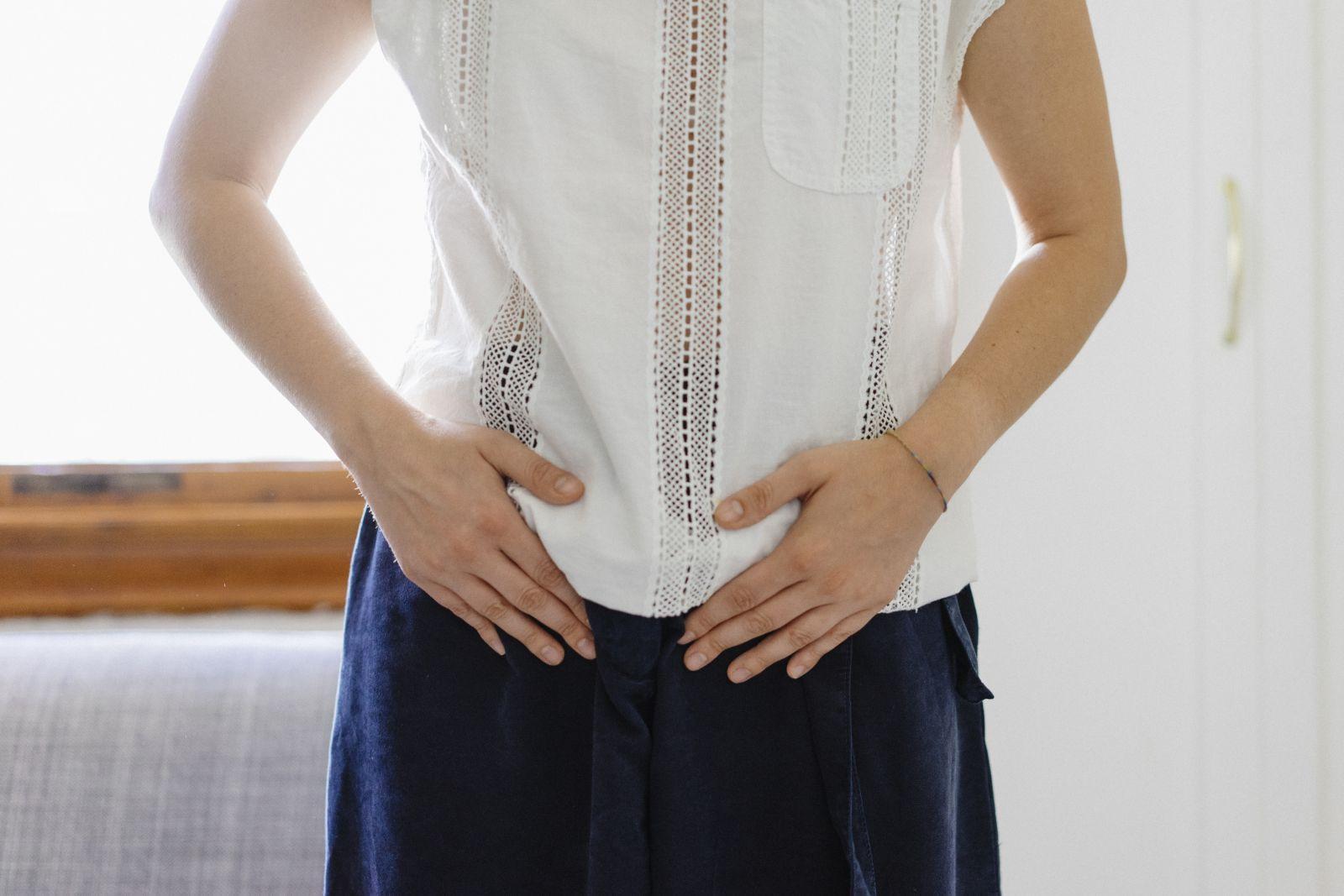
What to do about pelvic organ prolapse
Pelvic organ prolapse is a common complaint among women. Women have three main options for treating prolapse: pelvic floor physical therapy, a pessary, or surgery to support the displaced organs.

Can a high-fiber diet reduce your risk of breast cancer?
Research we're watching
Your diet may influence your breast cancer risk. An analysis of 20 studies by researchers from the Harvard T.H. Chan School of Public Health, which was published online April 6, 2020, by the journal Cancer, found that women who ate the most fiber were 8% less likely to go on to develop breast cancer compared with the women who ate the least.
The reduction in breast cancer risk was seen for both premenopausal and postmenopausal breast cancers, as well as different types of breast cancer, including those that were estrogen and progesterone receptor–positive and estrogen and progesterone receptor–negative. Researchers from the Harvard T.H. Chan School of Public Health said that that the reduction may be due to fiber's effect in reducing both blood sugar and estrogen levels in the body.

The no-drug approach to erectile dysfunction
There are ways to manage ED without medication.
Erectile dysfunction (ED) is one of the more common health issues older men face, especially those with cardiovascular disease and diabetes. Some estimates suggest between 50% and 70% of men ages 50 to 70 experience mild to moderate ED.
ED is defined as difficulty achieving or sustaining an erection. It is often caused by a combination of physical and emotional issues. ED makes intercourse difficult, which can lower sex drive and desire, increase anxiety and depression, and affect a man's relationship with his partner.

Combining two types of biopsies helps diagnose prostate cancer
In the journals
Combining two kinds of biopsies may lead to a more accurate diagnosis of prostate cancer, suggests a study in the March 5, 2020, issue of The New England Journal of Medicine. Researchers from the National Cancer Institute enrolled 2,103 men with prostate abnormalities. Each man had a standard 12-point biopsy and an MRI-targeted biopsy.
With a 12-point biopsy, tissue samples are taken from 12 systematically placed spots on the prostate. An MRI-targeted biopsy uses an MRI image of the prostate to help doctors locate areas where cancer is most highly suspected. Previous research has shown that MRI-targeted biopsies are more accurate than 12-point biopsies. However, even MRIs can miss some tumors.

Is your habit getting out of control?
Stress can raise your risk of developing a substance use disorder. Here's how to get help when you need it.
In recent months, Americans' collective stress level has risen in response to the pandemic and economic fallout. Many people are looking for ways to help themselves feel better. Unfortunately, stress can trigger a number of unhealthy coping strategies — drinking alcohol to excess, bingeing on junk food, engaging in drug use, or other harmful behaviors. If you've ever had a substance use disorder, a bout of significant stress may even put your recovery at risk.
This is likely due to the shift the human brain makes in times of trauma. Instead of focusing on long-term goals, your brain zeroes in on short-term objectives.

Are you old enough to give up your screening mammogram?
There's no easy answer to this question. Rather, women should make the decision based on their individual needs.
Most women don't look forward to their routine mammogram, which can be uncomfortable and stressful. You may wonder: Is there an age when can you dispense with this regular chore? 75, 80, 85?
The truth is that experts haven't determined a magic age when women no longer need breast cancer screening — largely because scientific evidence in this area is lacking, says Dr. Kathryn Rexrode, associate professor of medicine at Harvard Medical School and chief of the Division of Women's Health at Brigham and Women's Hospital. But many experts also agree that continuing mammography might not be the right choice beyond age 75. The real question, they say, is what is the right age for you to stop based on your individual needs? To decide, you need to understand both the potential risks and benefits of breast cancer screening.


New drugs approved for advanced BRCA-positive prostate cancer
Defective BRCA genes are well known for their ability to cause breast and ovarian cancers in women. But these same gene defects are also strong risk factors for aggressive prostate cancer in men. About 10% of men with metastatic prostate cancer — meaning cancer that is spreading away from the prostate — test positive for […]


The facts about testosterone and sex
Can boosting testosterone levels improve your sex life?
The hormone testosterone plays a big part in men's health, but perhaps its most meaningful role is to fuel sex drive and performance.
Testosterone levels tend to decrease with age. They peak by early adulthood and then can drop by up to 1% per year beginning around age 40. Sometimes an abrupt fall occurs because of an injury or illness (such as an infection), chemotherapy or radiation treatment, or certain medications.
Hip bursitis vs. arthritis: How to tell the difference
Fitness for longevity: Which type matters most?
Ministrokes linked to elevated risk of dementia
Continuous glucose monitors benefit people who don't need insulin
CoQ10: Should you take this popular supplement if you're on a statin?
Microplastics: A hidden health threat?
Oat vs. dairy milk: Nutrition, benefits, and downsides
What is tempeh? Benefits, nutrition, and how to use it
Healing after food poisoning
Whole grains may improve several heart risk factors at once
Free Healthbeat Signup
Get the latest in health news delivered to your inbox!
Sign Up
