

Hip bursitis vs. arthritis: How to tell the difference

Fitness for longevity: Which type matters most?

Ministrokes linked to elevated risk of dementia

Continuous glucose monitors benefit people who don't need insulin

CoQ10: Should you take this popular supplement if you're on a statin?

Microplastics: A hidden health threat?

Oat vs. dairy milk: Nutrition, benefits, and downsides

What is tempeh? Benefits, nutrition, and how to use it

Healing after food poisoning

Whole grains may improve several heart risk factors at once
Dementia Archive
Articles

Ministrokes linked to elevated risk of dementia
Having a transient ischemic attack (also known as a TIA or ministroke) is linked to an elevated risk of dementia, according to a 2026 study.

Microplastics: A hidden health threat?
While microplastics have been detected in blood and tissues throughout the body, their health effects remain uncertain yet potentially concerning.

A tough question: When should an older driver stop driving?
Navigating whether or when an older person should limit or stop driving is tricky. Whether these concerns are about a family member or yourself, it's helpful to be aware of red flags and to understand how driving abilities -- and risk for motor vehicle accidents -- change with age.

Do you need a dopamine detox?
People who feel hooked on digital devices often blame dopamine, a brain chemical linked with feelings of pleasure. But people’s brains need dopamine to function, so a “dopamine detox” is not possible. People should instead change habits and environments that draw them to their devices.


3 ways to build brain-boosting social connections
Most people know that as they age, they need to put effort into staying healthy by eating carefully, exercising, and getting enough sleep. But there is another element to healthy aging: keeping your mind engaged helps protect brain health, and one way to do that is by maintaining an active social life.
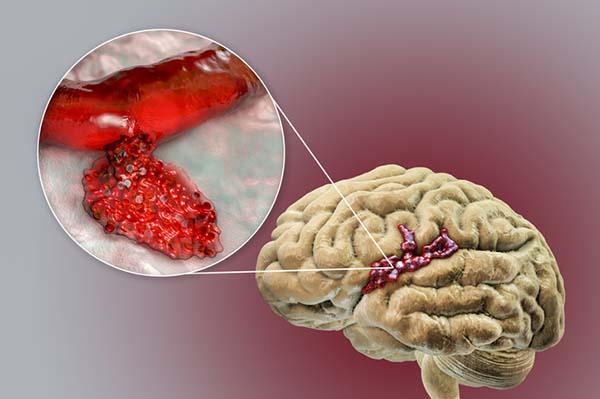
Cerebral amyloid angiopathy: A little-known cause of cognitive decline and stroke
Cerebral amyloid angiopathy is a common condition that causes amyloid to build up in tiny blood vessels on the brain’s surface. It can lead to gradual cognitive decline, brain bleeds, and hemorrhagic strokes.

Can migraines affect how your brain processes memory?
Memory changes during a migraine can be unsettling and may have several explanations. See which symptoms need prompt medical attention and follow-up.

Estrogen-only hormone therapy tied to lower dementia risk
A 2026 study suggested that menopausal women who used estrogen-only hormone therapy were less likely than women who didn’t use hormone therapy to develop Alzheimer’s-related brain changes or be diagnosed with dementia.

The surprising cognitive costs of multitasking
Multitasking involves coupling one unconscious activity, such as walking on a treadmill, with a conscious one, such as reading a book. Task-switching involves attempting two conscious tasks at the same time. Constant task-switching can undermine focus, concentration, and working memory.
Hip bursitis vs. arthritis: How to tell the difference
Fitness for longevity: Which type matters most?
Ministrokes linked to elevated risk of dementia
Continuous glucose monitors benefit people who don't need insulin
CoQ10: Should you take this popular supplement if you're on a statin?
Microplastics: A hidden health threat?
Oat vs. dairy milk: Nutrition, benefits, and downsides
What is tempeh? Benefits, nutrition, and how to use it
Healing after food poisoning
Whole grains may improve several heart risk factors at once
Free Healthbeat Signup
Get the latest in health news delivered to your inbox!
Sign Up
