
New guidelines urge routine prostate cancer screening for most men

Do you need a DEXA scan earlier than you thought?

Best walking shoes: Which ones are right for older adults?

Early medically induced menopause may increase cardiovascular risks

Consensus grows for widening use of menopausal hormone therapy

Is it aging, or something more?

Acetaminophen vs. ibuprofen: Which should you take?

Hip bursitis vs. arthritis: How to tell the difference

Fitness for longevity: Which type matters most?

Ministrokes linked to elevated risk of dementia
Digestive Health Archive
Articles

Prostate cancer in transgender women
The increasing size and visibility of the transgender population has implications for public health. Hormone treatment given to transgender women lowers the overall risk of prostate cancer, but the risk of a trans woman developing the disease is not zero.

Can long COVID affect the gut?
Some people who have been infected with the virus that causes COVID-19 have experienced lingering effects like low energy and brain fog. Could gastrointestinal problems be another aftereffect of the virus?

Late-stage cervical cancer on the rise: What to know
Cervical cancer is curable when caught early through routine screening, so research showing a surprising rise in advanced cancer cases in some groups is worrisome. Two Harvard experts share insights about the research and advice on how people can best protect themselves.
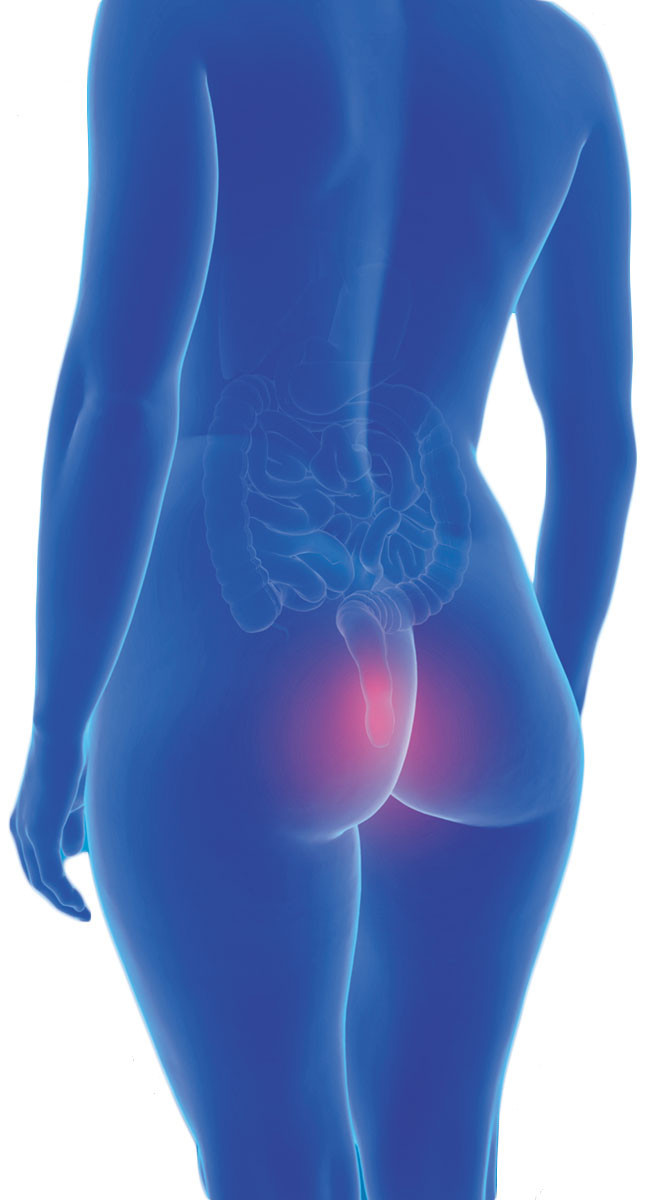
A pain in the rear
Everyone is born with the blood vessels that underlie hemorrhoids, but they may become problematic when they enlarge. Half of people have symptoms by age 50 that include pain, itching, swelling, and bleeding. Home remedies such as pain relievers, topical creams and ointments, sitz baths, and cold compresses don't eradicate hemorrhoids. In-office procedures can cut off blood supply to internal hemorrhoids, allowing them to fall off. Surgery is the only definitive treatment option for external hemorrhoids visible at the anus.

Healthy gut, healthy heart
The gut is home to trillions of microbes, collectively known as the gut microbiota, which help with digestion, manufacture certain nutrients, and release various substances that have wide-ranging health effects, including on cardiovascular health. As diet plays a significant role in the composition of the gut microbiota, people's diet can indirectly affect heart health. Following a plant-based diet that emphasizes less red meat and more fiber can support the gut and its heart-healthy benefits.

When cancer treatment affects the heart
Side effects from both older and newer cancer therapies can affect the heart and blood vessels, possibly causing serious, sometimes life-threatening complications. People diagnosed with any type of cancer should ask their doctor whether their planned treatment might lead to cardiovascular problems. Those ages 65 and older and anyone with risk factors for heart disease (such as high blood pressure or diabetes) may want to request a referral to a cardio-oncologist. These specialists focus on preventing and managing cardiovascular problems in people who are undergoing (or have completed) treatment for cancer.

You don't say? Facts about flatulence
It's normal to accumulate and release gas; in fact, the average person releases two liters of gas per day. Certain foods can increase gas production since they take longer to digest.

Prune juice for constipation? A new study says yes
Drinking about one cup of prune juice daily may help relieve chronic constipation, according to a 2022 study.
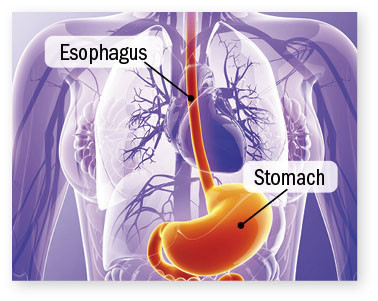
Heart disease and heartburn: What's the overlap?
Heartburn can cause chest pain that may be mistaken for a heart attack, and vice versa. Heartburn causes more a burning sensation and is more likely to occur after a large meal. Heart attacks are often described as a feeling of tightness or pressure and are more likely to occur after physical activity or stress. People who aren't sure about their symptoms should get to an emergency room for an evaluation as soon as possible.

A lethal cancer's long reach
While ovarian cancer is not always inherited, family history is the top risk factor for the disease, which is diagnosed in 20,000 American women and kills 13,000 annually. Symptoms, such as bloating, pelvic pain, bowel or bladder habit changes, and unusual vaginal discharge or bleeding, are often vague and subtle until the disease is advanced, making it hard to detect and cure. No standard screening test is available for ovarian cancer. Women with symptoms can ask for a pelvic ultrasound. Women with a family history should seek genetic counseling and testing.
New guidelines urge routine prostate cancer screening for most men
Do you need a DEXA scan earlier than you thought?
Best walking shoes: Which ones are right for older adults?
Early medically induced menopause may increase cardiovascular risks
Consensus grows for widening use of menopausal hormone therapy
Is it aging, or something more?
Acetaminophen vs. ibuprofen: Which should you take?
Hip bursitis vs. arthritis: How to tell the difference
Fitness for longevity: Which type matters most?
Ministrokes linked to elevated risk of dementia
Free Healthbeat Signup
Get the latest in health news delivered to your inbox!
Sign Up