

Hip bursitis vs. arthritis: How to tell the difference

Fitness for longevity: Which type matters most?

Ministrokes linked to elevated risk of dementia

Continuous glucose monitors benefit people who don't need insulin

CoQ10: Should you take this popular supplement if you're on a statin?

Microplastics: A hidden health threat?

Oat vs. dairy milk: Nutrition, benefits, and downsides

What is tempeh? Benefits, nutrition, and how to use it

Healing after food poisoning

Whole grains may improve several heart risk factors at once
Diseases & Conditions Archive
Articles

Alcohol and age: A risky combination
Most people drink less as they grow older. However, some maintain heavy drinking patterns throughout life, and some develop problems with alcohol for the first time during their later years. The many challenges that can arise at this stage of life — reduced income, failing health, loneliness, and the loss of friends and loved ones — may cause some people to drink to escape their feelings.
Several factors combine to make drinking — even at normal levels — an increasingly risky behavior as you age. Your ability to metabolize alcohol declines. After drinking the same amount of alcohol, older people have higher blood alcohol concentrations than younger people because of such changes as a lower volume of total body water and slower rates of elimination of alcohol from the body. That means the beer or two you could drink without consequence in your 30s or 40s has more impact in your 60s or 70s.

Stroke: Know when to act, and act quickly
Identifying and treating a stroke as quickly as possible can save brain cells, function, and lives. Everyone should know the warning signs of a stroke and when to get help fast.
The warning signs of a stroke can begin anywhere from a few minutes to days before a stroke actually occurs. The National Stroke Association has devised the FAST checklist to help determine whether a person is having a stroke.


Trouble identifying odors may be an early sign of dementia
In the journals
Image: © Purestock/Thinkstock
If you have persistent trouble detecting or identifying odors, that may be an early sign of dementia, according to a study in the Sept. 25, 2017, Journal of the American Geriatrics Society. Almost 3,000 older adults, ages 57 to 85, who did not have dementia were asked to detect and identify five common odors like peppermint, fish, orange, rose, and leather. Five years later, the researchers found that almost half of those who performed poorly on the smell test (were either unable to detect the odors or unable to identify what the smells were) had been diagnosed with dementia. In comparison, 79% of those who scored high on the smell test did not have dementia.
The results only show an association between poor sense of smell and dementia, but the researchers noted that a smell test could be a simple way to identify high-risk people. It isn't clear how sense of smell and dementia may be linked, but the researchers speculated that underlying causes of dementia, like amyloid plaque buildup and tau tangles in the brain, also may affect the olfactory (sense of smell) system.
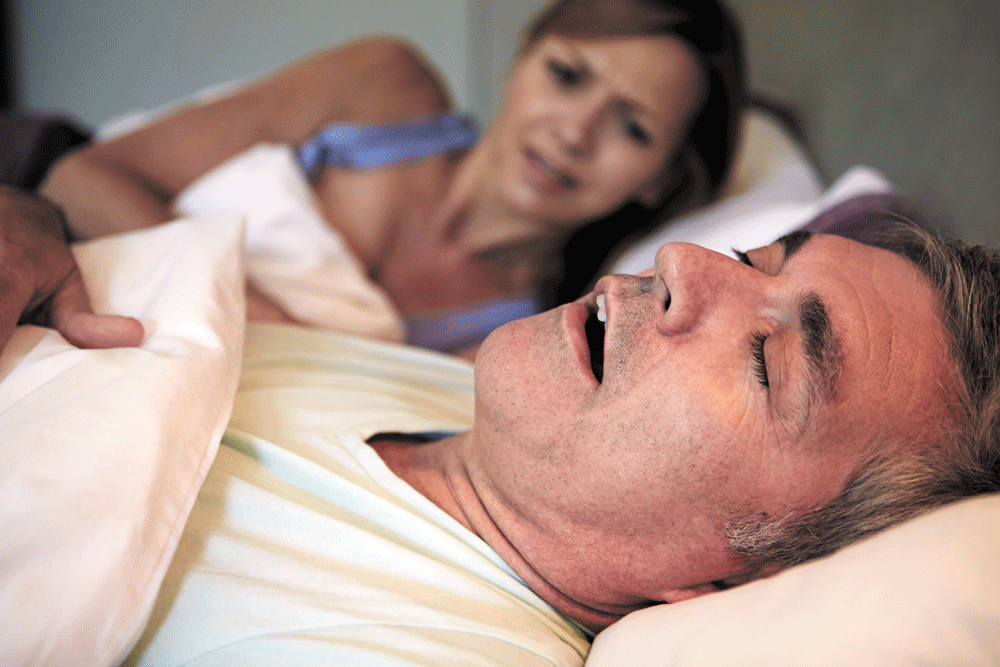
Is snoring always a sign of sleep apnea?
Ask the doctors
Q. My partner says I snore at night. Does this mean I have sleep apnea?
A. If you snore at night, you're in good company. Some 90 million Americans have the same problem, according to the American Sleep Apnea Association. And luckily, not all of them have sleep apnea. Snoring is typically caused by a narrowing of your upper airway. Tissues in the back of your throat sometimes relax in your sleep and drop down, partially blocking the passageway. Air from your breathing rattles the tissue, creating that distinctive noise as it flows past.


Headache basics
Despite the fact that headaches are extremely common, doctors don't fully understand exactly why or even how they occur. Neither the skull nor the brain is sensitive to pain, but both are surrounded by pain-sensitive membranes. Most headache pain stems from abnormalities in these membranes or nearby muscles, blood vessels, or nerves—either alone or in combination.
Women are twice as likely as men to experience moderate and severe headaches and more likely to experience certain types of headaches, such as migraine. A major reason is fluctuating hormone levels that are part of the monthly menstrual cycle.
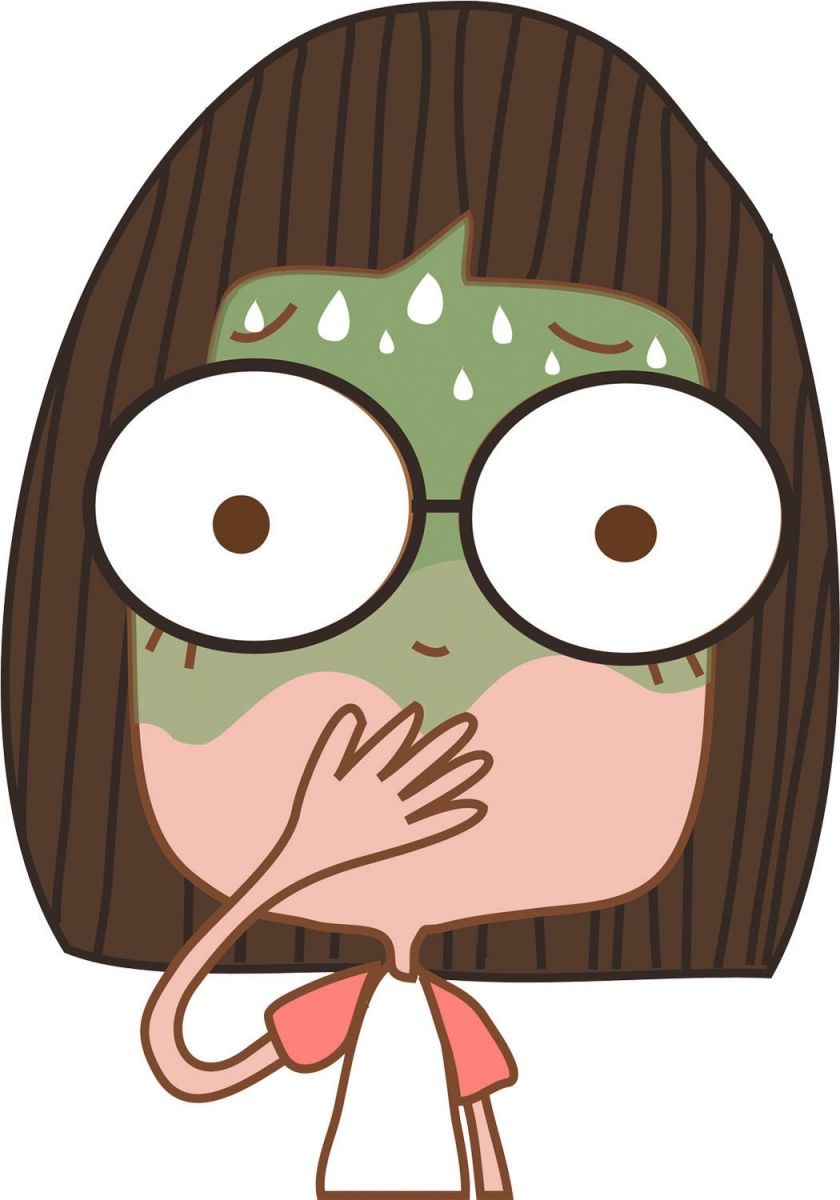
Coping with motion sickness
Change the circumstances that can lead to conflict between your senses and make you sick.
Some people dread riding on a plane, train, bus, or boat, or even sitting in the back of a car. The motion makes them feel nauseated or dizzy, and it may bring on headaches, vomiting, or cold sweats.
"We're wired differently for processing motion and movement. Some people are less tolerant of motion than others. It's very common," says Dr. Steven Rauch, an ear specialist and chief of the vestibular (balance) division of Harvard-affiliated Massachusetts Eye and Ear Infirmary.

What are the best calcium sources for people who are lactose intolerant?
On call
Image: © Svetl/Thinkstock
Q. How can I get my daily requirement for calcium if I am lactose intolerant?
A. We usually associate high-calcium foods with dairy products, like milk, cheese, and yogurt. If you cannot tolerate these foods from a digestive standpoint, you can still meet your calcium requirement by increasing your consumption of certain green leafy vegetables and calcium-fortified foods.
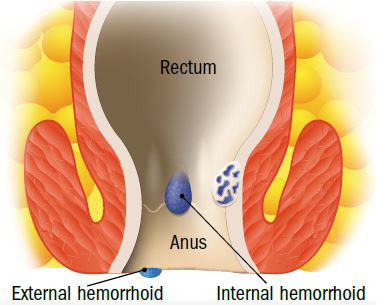
Help for hemorrhoids
One of the most embarrassing conditions also can be one of the easiest to treat and manage.
Image: © ttsz/Thinkstock
Hemorrhoids are without doubt among the most unpleasant of health topics. But if you have suffered from them, you may find comfort in knowing that you are not alone.
More than 75% of people ages 45 and older have had hemorrhoids, with symptoms like rectal pain, itching, and bleeding after a bowel movement.
Hip bursitis vs. arthritis: How to tell the difference
Fitness for longevity: Which type matters most?
Ministrokes linked to elevated risk of dementia
Continuous glucose monitors benefit people who don't need insulin
CoQ10: Should you take this popular supplement if you're on a statin?
Microplastics: A hidden health threat?
Oat vs. dairy milk: Nutrition, benefits, and downsides
What is tempeh? Benefits, nutrition, and how to use it
Healing after food poisoning
Whole grains may improve several heart risk factors at once
Free Healthbeat Signup
Get the latest in health news delivered to your inbox!
Sign Up
