

Hip bursitis vs. arthritis: How to tell the difference

Fitness for longevity: Which type matters most?

Ministrokes linked to elevated risk of dementia

Continuous glucose monitors benefit people who don't need insulin

CoQ10: Should you take this popular supplement if you're on a statin?

Microplastics: A hidden health threat?

Oat vs. dairy milk: Nutrition, benefits, and downsides

What is tempeh? Benefits, nutrition, and how to use it

Healing after food poisoning

Whole grains may improve several heart risk factors at once
Diseases & Conditions Archive
Articles

Is your heartburn pill working for you?
| Image: iStock |
For optimal results, you need to take your medication regularly and time it correctly to your meals.
Have you tried to cool the burning discomfort of heartburn with medication and failed to get full relief? If so, a few simple adjustments to optimize your treatment may be all you need.

Cardioversion for afib
Ask the doctor
Q. I am scheduled for an electrical cardioversion for my atrial fibrillation. What should I expect?
A. Electrical cardioversion is a procedure to convert a fast or irregular heartbeat (such as what happens with atrial fibrillation, or afib) to a normal rhythm. Before the procedure, your cardiologist may recommend a special ultrasound test of your heart to check for blood clots. Cardioversion may dislodge any clots, which can be life-threatening. So if clots are found, the procedure may be delayed for a few weeks, so you can take blood-thinning medications to lower your risk of complications such as stroke.

Longer work hours may boost stroke risk
Image: Thinkstock
Research we're watching
People who work long hours may face a higher risk of stroke, according to a study published online Aug. 20, 2015, by Lancet.
Researchers pooled data from 17 studies from the United States, Europe, and Australia that followed more than 528,000 workers for an average of just over seven years. None of the participants had cardiovascular disease when they signed up for the studies.

4 vaccinations you may need
Adults need an annual flu shot and a Tdap booster every 10 years. People over 60 need a shingles shot, and those over 65 should have two pneumonia vaccines.

Should all hemorrhoids be treated?
Ask the Doctor
Q. I had a colonoscopy recently and it detected hemorrhoids. I don't have any symptoms. Should I be doing something to get rid of them?
A. Like you, approximately 40% of people with hemorrhoids have none of the common symptoms—bleeding, anal itching, and pain. Their hemorrhoids may be found on a routine physical examination or during a test done for other reasons, such as a colonoscopy for colon cancer screening.

Sidestepping big-toe woes
Wearing high heels with pointed toes is a major cause of bunions. |
For many women, bunions and rigidity are two of the most common—and painful—problems with the big toe. Both are easily treated.
Afib cases increasing; pay attention to underlying health conditions
Atrial fibrillation (afib) is affecting far more people than it did 50 years ago, according to a study published July 11, 2015, in The Lancet. Afib is an irregular heartbeat that makes the heart's upper chambers (the atria) quiver, rather than pump steadily. This can lead to the formation of blood clots, which can travel in the blood to the brain and cause a stroke. The Lancet study found that afib cases quadrupled from 1958 to 2007 among 9,500 people. But there is some encouraging news: the study also found that the risk of stroke associated with afib decreased 74% in the last 50 years, and the risk of death decreased 25%.
Why the ups and downs? Researchers point to epidemics of obesity and diabetes as part of the reason, as well as increased awareness of the condition and better detection methods. Meanwhile, improved recognition and treatment of other diseases, such as high blood pressure, may be helping to reduce the cases of stroke and early death linked to afib. So, this study provides further evidence of the importance of maintaining a healthy weight and keeping blood sugar, blood pressure, and cholesterol under control. In addition to reducing the risk of heart disease, stroke, diabetes, and other illnesses, you also reduce the risk of getting afib and developing complications from it.
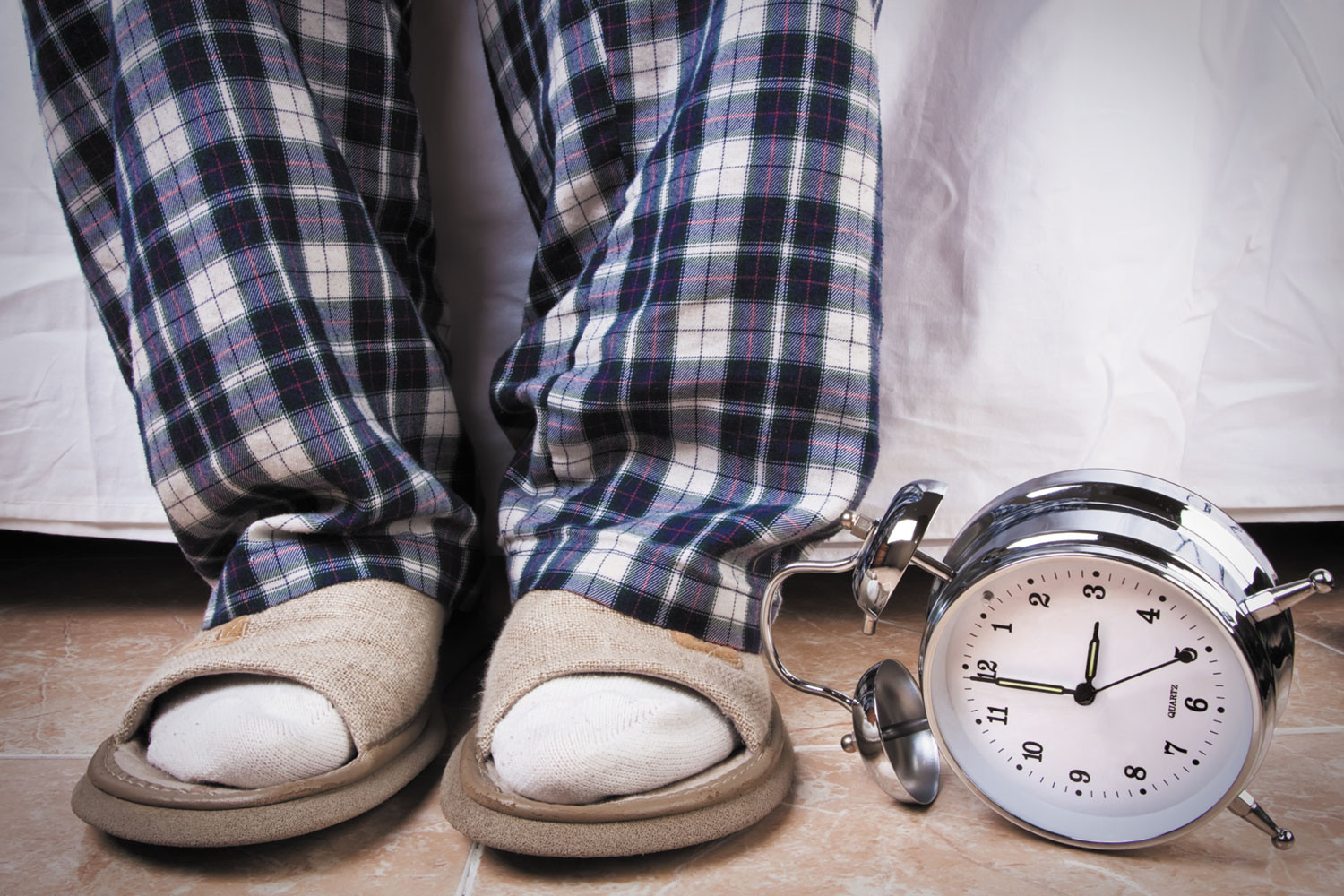
Frequent nighttime urination
Having to rise from bed to hit the bathroom even once can be bothersome if it disturbs your sleep rhythm. Image: Thinkstock |
Repeated nocturnal bathroom calls are bothersome, but self-help steps and targeted treatment offer relief.
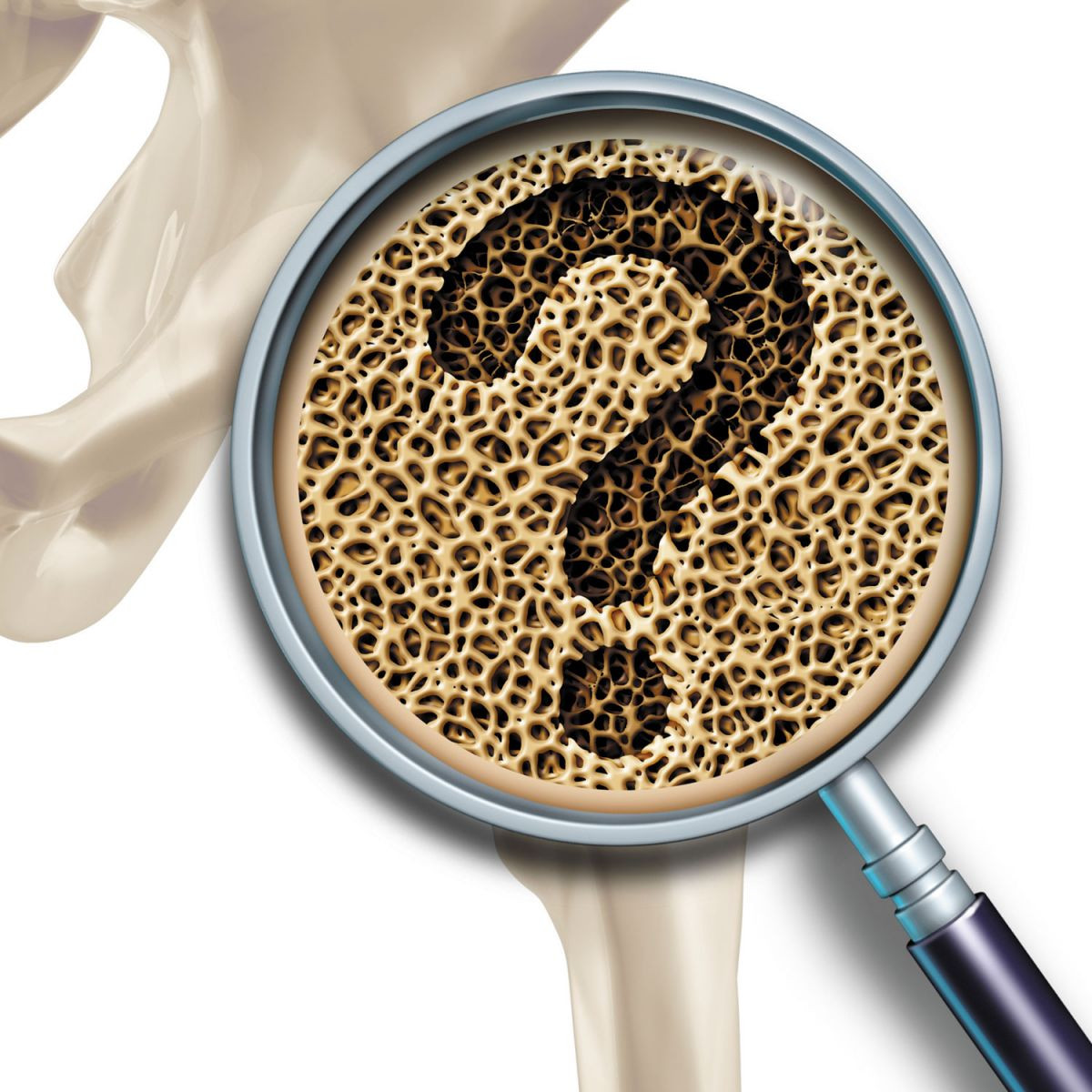
Should you be tested for weak bones?
| Image: Thinkstock |
Men also get osteoporosis—but consider your risk factors before deciding to have a bone-strength test.
Men's and women's bodies differ in plenty of ways, but we all have bones, and with aging they may lose some of their strength and leave us more vulnerable to dangerous fractures of the hip or spine. Osteoporosis is not exclusively a women's health issue.
Hip bursitis vs. arthritis: How to tell the difference
Fitness for longevity: Which type matters most?
Ministrokes linked to elevated risk of dementia
Continuous glucose monitors benefit people who don't need insulin
CoQ10: Should you take this popular supplement if you're on a statin?
Microplastics: A hidden health threat?
Oat vs. dairy milk: Nutrition, benefits, and downsides
What is tempeh? Benefits, nutrition, and how to use it
Healing after food poisoning
Whole grains may improve several heart risk factors at once
Free Healthbeat Signup
Get the latest in health news delivered to your inbox!
Sign Up
