

Hip bursitis vs. arthritis: How to tell the difference

Fitness for longevity: Which type matters most?

Ministrokes linked to elevated risk of dementia

Continuous glucose monitors benefit people who don't need insulin

CoQ10: Should you take this popular supplement if you're on a statin?

Microplastics: A hidden health threat?

Oat vs. dairy milk: Nutrition, benefits, and downsides

What is tempeh? Benefits, nutrition, and how to use it

Healing after food poisoning

Whole grains may improve several heart risk factors at once
Diseases & Conditions Archive
Articles

Osteoarthritis relief without more pills
It's possible to ease arthritis pain and stiffness without medication, but it takes some work. |
Here are some steps you can take to reduce your reliance on medication to control symptoms and stay functional.

Ask the doctor: Two pneumonia shots are better than one
Q. I'm 68, and I had the pneumonia vaccine a few years ago. Now I hear that I need to have two different ones. Do I really need to do this?
A. For many years, men who turned 65 were told that they needed a single pneumonia shot, called Pneumovax. Now the CDC suggests that older adults get an additional vaccination with a different vaccine, called Prevnar. The combination stimulates the immune system more effectively than either alone.
The two vaccines build immunity against different types of the bacterium, known as pneumococcus, that causes pneumonia. Pneumovax (PPSV23) protects against 23 common types of pneumococcus. Prevnar (PCV13) protects against 13 types.
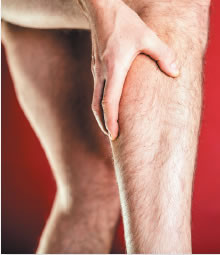
When sleeplessness starts in the legs
Uncomfortable nighttime leg sensations can spoil your sleep, but you can take steps to relieve it.
Is restless legs syndrome (RLS) the cause of your restless sleep? This exasperating condition triggers abnormal sensations in the legs and an irresistible urge to move them. It can wreak havoc with sleep, leading to daytime fatigue.

Atrial fibrillation: Living with a common heart condition
Preventing stroke is the top priority if your heart is beating irregularly. A variety of options can control symptoms.
A flutter in the chest and a racing heartbeat could be just a passing cardiac blip, perhaps triggered by emotional stress or too much caffeine. But sometimes it's a sign of atrial fibrillation—the irregular quivering of the heart's upper chambers, or atria.

One in 10 men may be taking aspirin unnecessarily
Many men consider taking a daily low-dose aspirin to reduce the chance of having a heart attack or stroke. You should do so only if the chance of being helped outweighs the chance of triggering unwanted bleeding, since aspirin interferes with normal clotting. But about one in 10 men who take protective aspirin may not really qualify, according to a national study in the Journal of the American College of Cardiology.
Experts recommend that aspirin might be considered in someone whose chance of experiencing a cardiovascular problem is at least 6% in the next 10 years. At that tipping point, the chance of being helped is great enough to justify the risk of unwanted bleeding.

Blood sugar on the brain
In people with heart disease, Image: Thinkstock |
High blood sugar may add to mental decline in people with cardiovascular disease.
Portable ultrasound reveals early signs of heart disease
A portable ultrasound device that detects plaque buildup in arteries may offer a simple, cost-effective way to detect heart disease before it causes any symptoms. A report in the December 2014 Global Heart journal describes findings from a large-scale test of the technology in India, the United States, and Canada.
The innermost layer of an artery's wall (the intima) provides a smooth surface for blood to flow through. The middle layer (the media) contains muscle and elastic fibers that let the vessel expand and contract with each heartbeat. The thicker the intima and the media, the more likely the artery is choked with cholesterol-filled plaque. Using ultrasound, a doctor can easily measure the intima-media thickness in the arteries of the neck and upper leg.

Stressful job may raise stroke risk
Job strain—defined as having a demanding job in which you have little control—may slightly increase the risk of a stroke. The findings, in the February 2015 Stroke, echo earlier results that show a similar link between heart disease and job strain.
Researchers gleaned the results from 14 different studies that included more than 190,000 men and women from six European countries. Their average age was 42, and the follow-up lasted just over nine years, on average. Job strain was associated with a roughly 20% higher risk of ischemic stroke (the type that occurs when a clot blocks a blood vessel supplying the brain).
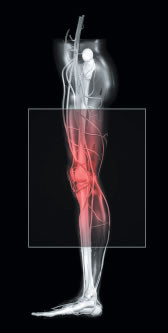
Could that leg pain be peripheral artery disease?
The pain of peripheral artery disease may be felt above or below the knee during activity, and will fade with rest. Image: Thinkstock |
The telltale sign is leg pain and fatigue that comes on with activity and goes away with rest.

When are opioids safe to take?
Opioids are commonly used to control acute, intense pain. Meditation, yoga, and acupuncture may help control pain when tapering off opioids. |
Although these powerful pain relievers can be addictive, opioids are safe for most people when used properly.
Hip bursitis vs. arthritis: How to tell the difference
Fitness for longevity: Which type matters most?
Ministrokes linked to elevated risk of dementia
Continuous glucose monitors benefit people who don't need insulin
CoQ10: Should you take this popular supplement if you're on a statin?
Microplastics: A hidden health threat?
Oat vs. dairy milk: Nutrition, benefits, and downsides
What is tempeh? Benefits, nutrition, and how to use it
Healing after food poisoning
Whole grains may improve several heart risk factors at once
Free Healthbeat Signup
Get the latest in health news delivered to your inbox!
Sign Up
