

Hip bursitis vs. arthritis: How to tell the difference

Fitness for longevity: Which type matters most?

Ministrokes linked to elevated risk of dementia

Continuous glucose monitors benefit people who don't need insulin

CoQ10: Should you take this popular supplement if you're on a statin?

Microplastics: A hidden health threat?

Oat vs. dairy milk: Nutrition, benefits, and downsides

What is tempeh? Benefits, nutrition, and how to use it

Healing after food poisoning

Whole grains may improve several heart risk factors at once
Diseases & Conditions Archive
Articles

Surprising foods that boost bone health
Prunes boost not only digestion but bone health as well, according to a 2022 study. Most foods touted for bone health are high in calcium. Vitamin D helps the body absorb calcium. Other surprising foods that either build bone or hinder bone loss include dried figs, canned salmon, plant milks, tofu, almonds and almond butter, and white beans. People can tally their average daily calcium consumption by reading food and drink labels. Supplements can help make up any shortfall.

When a pain in the neck is serious
A cervical artery dissection is a tear in one of the arteries in the neck that carry blood to the brain. Although rare, it is one of the most common causes of stroke in people under age 50.

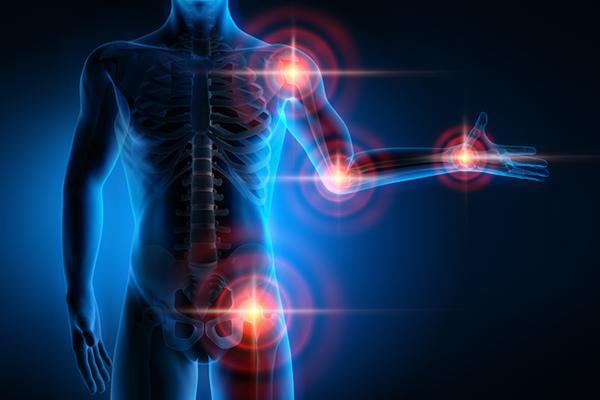
What is chronic inflammation?
Chronic inflammation occurs when the immune system is over-stimulated all the time. It’s not clear why chronic inflammation develops in the body, but it is linked to many chronic conditions, such as diabetes and rheumatoid arthritis.

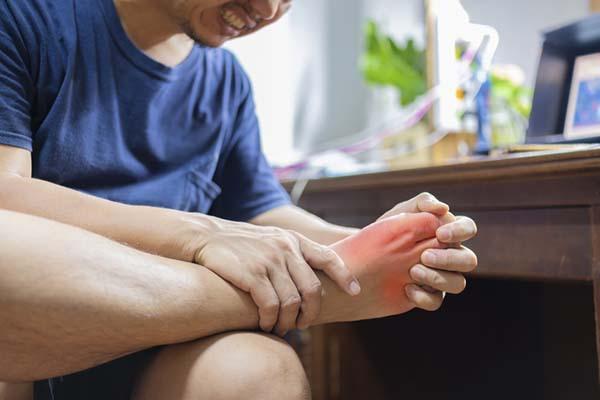
Effective treatment for gout can reduce heart disease risk
People who have gout, which results from excess uric acid in the body, are at increased risk for heart disease and stroke. A 2026 study found that maintaining uric acid levels below 6 mg/dL with medication reduced the risk for heart attack, stroke, and heart-related death.

Rethinking HDL cholesterol
The scientific understanding of HDL cholesterol has evolved in recent years, and many cardiologists now believe that HDL may be more of a bystander rather than a "good guy" that helps lower heart disease risk. While some types of HDL are great at plucking excess cholesterol from LDL and artery walls (a process referred to as reverse cholesterol transport) other types of HDL don't do this. In clinical trials, medications to raise HDL levels-including a drug specifically designed to improve reverse cholesterol transport-have not succeeded in lowering heart attacks and strokes.
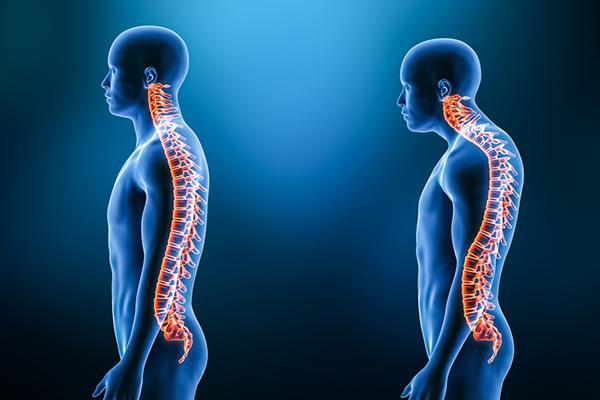
Can you prevent the hunched back of kyphosis?
Osteoporosis, age-related disc degeneration, and poor posture can cause or worsen a curved upper spine (hyperkyphosis). Maintaining bone health and strengthening the muscles responsible for good posture can help to slow the development of a curved spine.

Can steroid asthma inhalers increase blood sugar?
Inhaled corticosteroids mostly act in the lungs, but some enter the bloodstream. Learn when they might nudge glucose higher and how doctors adjust care.

Measles is making a comeback: Can we stop it?
In the US, widespread vaccination halted the ongoing spread of measles more than 20 years ago, but recent outbreaks have flared in over 20 US states, leading to hospitalizations and at least two deaths. Measles is highly preventable - here's what you need to know.
Hip bursitis vs. arthritis: How to tell the difference
Fitness for longevity: Which type matters most?
Ministrokes linked to elevated risk of dementia
Continuous glucose monitors benefit people who don't need insulin
CoQ10: Should you take this popular supplement if you're on a statin?
Microplastics: A hidden health threat?
Oat vs. dairy milk: Nutrition, benefits, and downsides
What is tempeh? Benefits, nutrition, and how to use it
Healing after food poisoning
Whole grains may improve several heart risk factors at once
Free Healthbeat Signup
Get the latest in health news delivered to your inbox!
Sign Up
