

Hip bursitis vs. arthritis: How to tell the difference

Fitness for longevity: Which type matters most?

Ministrokes linked to elevated risk of dementia

Continuous glucose monitors benefit people who don't need insulin

CoQ10: Should you take this popular supplement if you're on a statin?

Microplastics: A hidden health threat?

Oat vs. dairy milk: Nutrition, benefits, and downsides

What is tempeh? Benefits, nutrition, and how to use it

Healing after food poisoning

Whole grains may improve several heart risk factors at once
Diseases & Conditions Archive
Articles

The high cost of a poor diet
What people choose to eat has a big impact on their cardiovascular health. The dietary habits of the nation as a whole also have a major effect on the country's economic health. About 45% of the costs associated with heart disease, stroke, and diabetes is related to unhealthy diets. The dietary habits that appear to have the biggest effect are not eating enough nuts, seeds, and seafood omega-3 fatty acids. Among foods to avoid, sugary beverages and processed meats seem to contribute the most to higher costs. Each year, unhealthy diets cost the United States an average of about $300 per person in medical costs, which translates to $50 billion nationwide.
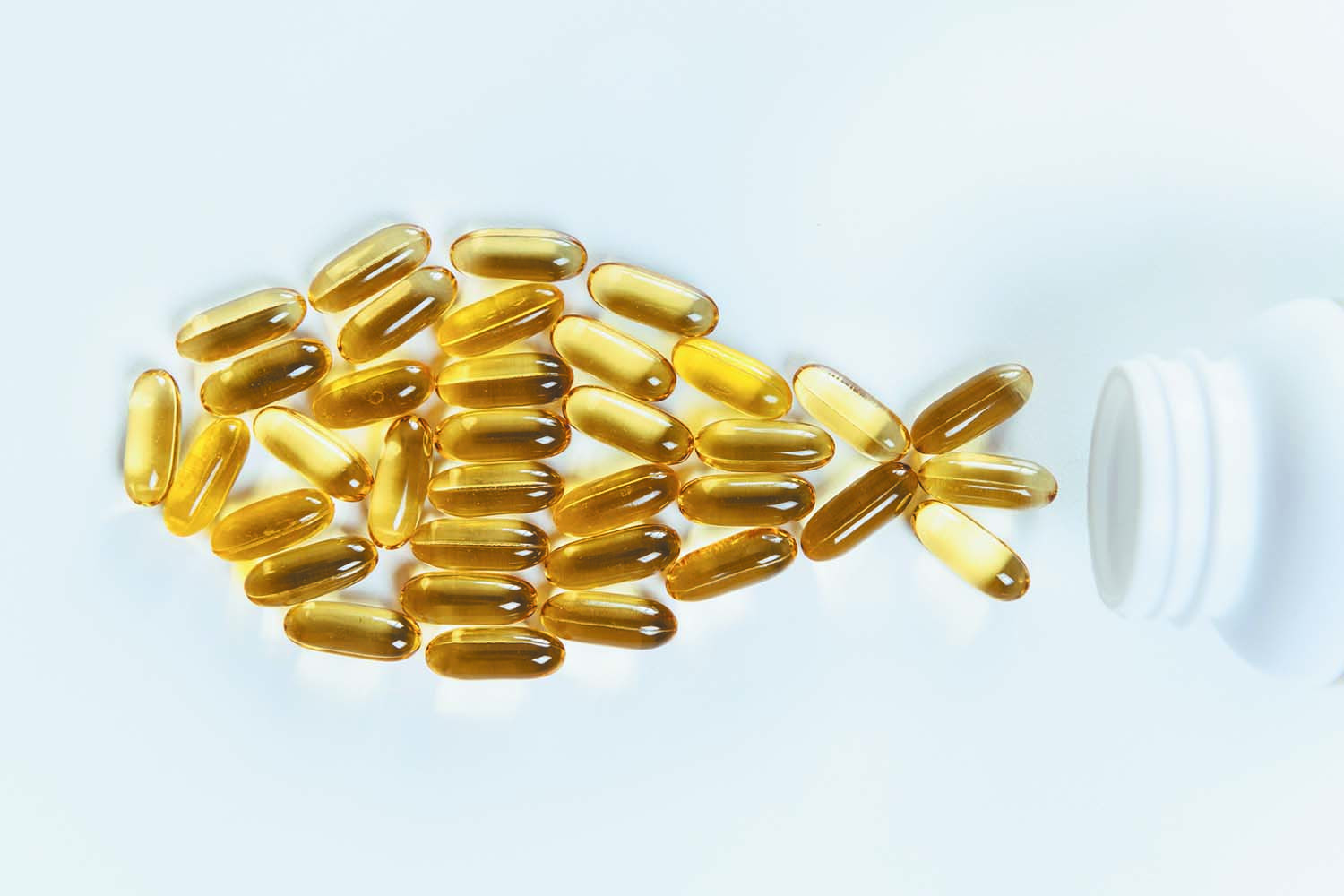
The questions about fish oil supplements
Some research says taking a daily fish oil supplement can reduce the risk of heart attacks and strokes, while other studies say the evidence remains thin. While fish oil is the best source of omega-3 fatty acids (essential nutrients that the body cannot make on its own), taking an over-the-counter fish oil supplement probably provides no extra heart benefit beyond a well-balanced diet that includes plenty of omega-3-rich fatty fish, nuts, and seeds.

5 things to know about your morning cup of joe
A recent review found not only that coffee won't harm cardiovascular health or raise the risk of cancer, but it may actually have some health benefits. These include a lower risk of diabetes, and certain cancers, such as liver, and endometrial cancer. Many of these benefits may come from plant chemicals found in coffee.

Sinusitis
Millions of Americans get sinusitis each year. The key to a quick recovery is proper drainage, which is best achieved by staying hydrated, inhaling steam several times daily, taking decongestants, and sleeping with the head elevated.


First medication to treat uncontrolled nasal polyps
A new medication called dupilumab (Dupixent) may help reduce nasal polyps in people with recurring polyps and chronic sinusitis.

Why do I smell certain odors that aren’t real?
A distorted sense of smell is quite common as people age. Called dysosmia, it can make people smell odors that are not there or be highly sensitive to certain smells. While it’s not bothersome for most, people should see their doctor if the condition becomes persistent.

Sniffing out sinus-related problems
Sinus problems are common, especially those caused by allergies, which affect some 40% of American adults. They often manifest as stuffiness, congestion, or a reduced sense of smell. Sinus problems most commonly fall into three categories: acute viral infections, allergy triggered inflammation, and chronic sinus infections.

Conquer your fear of dietary fat
For decades, high intake of fat was thought to cause weight gain, heart disease, and maybe even cancer. The solution? Go low-fat, which often meant consuming more carbs and more sugar. But nutritionists now suggest people actually need adequate amounts of "good" unsaturated fat, and less "bad" saturated fat, for optimal health. Following popular heart-healthy diets, like the Mediterranean and MIND diets, and making simple dietary changes can help people get adequate amounts of good fats.
Hip bursitis vs. arthritis: How to tell the difference
Fitness for longevity: Which type matters most?
Ministrokes linked to elevated risk of dementia
Continuous glucose monitors benefit people who don't need insulin
CoQ10: Should you take this popular supplement if you're on a statin?
Microplastics: A hidden health threat?
Oat vs. dairy milk: Nutrition, benefits, and downsides
What is tempeh? Benefits, nutrition, and how to use it
Healing after food poisoning
Whole grains may improve several heart risk factors at once
Free Healthbeat Signup
Get the latest in health news delivered to your inbox!
Sign Up
