

Hip bursitis vs. arthritis: How to tell the difference

Fitness for longevity: Which type matters most?

Ministrokes linked to elevated risk of dementia

Continuous glucose monitors benefit people who don't need insulin

CoQ10: Should you take this popular supplement if you're on a statin?

Microplastics: A hidden health threat?

Oat vs. dairy milk: Nutrition, benefits, and downsides

What is tempeh? Benefits, nutrition, and how to use it

Healing after food poisoning

Whole grains may improve several heart risk factors at once
Diseases & Conditions Archive
Articles

FDA approves fish oil-based drug for heart attack and stroke prevention
Research we're watching
Late in 2019, the FDA approved a new use for icosapent ethyl (Vascepa), a drug that is a highly purified form of eicosapentaenoic acid (EPA), an omega-3 fatty acid found in fish.
The drug was originally approved in 2012 for treating people with very high levels of triglycerides, a type of fat in the blood. Now, icosapent ethyl is approved for people with triglyceride levels greater than or equal to 150 milligrams per deciliter who also have an elevated risk of cardiovascular disease despite taking the highest tolerable dose of a cholesterol-lowering statin. A large trial found that the drug decreases the risk of heart attack, stroke, and death from cardiac causes by 26% when compared with a placebo.

Controlling your weight is key to lowering stroke risk
There is a lot you can do to lower your chances of having a stroke. Even if you've already had a stroke or TIA ("mini-stroke"), you can take steps to prevent another.
Controlling your weight is an important way to lower stroke risk. Excess pounds strain the entire circulatory system and can lead to other health conditions, including high blood pressure, diabetes, high cholesterol, and obstructive sleep apnea. But losing as little as 5% to 10% of your starting weight can lower your blood pressure and other stroke risk factors.
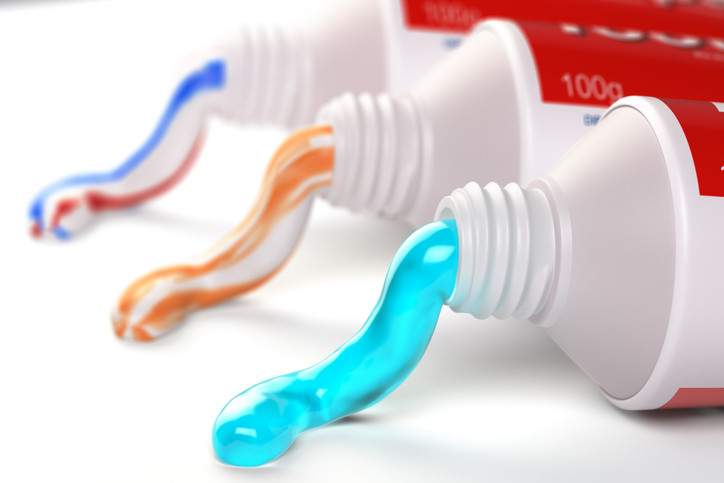
Good for your teeth, bad for your bones?
Could an ingredient in toothpaste be harmful to your bones? Triclosan, an antibacterial agent, has been banned from soaps and hand sanitizers by the FDA, and researchers have found that women with the highest levels of triclosan in their urine had low bone density measurements.

Low LDL and stroke: A closer look
When it comes to understanding this link, the devil is in the details.
When we talk about LDL cholesterol, it's always described as bad or harmful — and with good reason. High blood levels of this artery-clogging substance boost the risk of heart disease, the nation's leading cause of death. The more you can lower your LDL cholesterol (through diet, exercise, or medications), the lower your risk of a heart attack. For heart attack survivors, national guidelines recommend aiming for an LDL cholesterol level of less than 70 milligrams per deciliter to prevent a second heart attack.
In the past year, however, two studies in the journal Neurology reported a higher risk of hemorrhagic (bleeding) stroke in people with LDL levels of 70 and lower. While that sounds worrisome, a closer look at the findings can put these results into perspective.

Marijuana use linked to higher risk of stroke in younger adults
Research we're watching
Younger adults who use marijuana appear to face a higher risk of stroke compared with those who don't use the drug, according to a report published Nov. 11, 2019, in the journal Stroke.
Researchers pooled data from a nationally representative survey from the CDC that included nearly 44,000 participants ages 18 to 44. About 14% reported using marijuana within the past month. Young adults who recently used marijuana were 1.8 times more likely to experience a stroke compared with nonusers. The risk was 2.5 times higher among frequent users (more than 10 days a month). Frequent marijuana users who also smoked regular cigarettes had three times the risk for nonusers.

Don’t stress about heart health
Chronic stress is associated with an increased risk of heart disease, heart attacks, and strokes. These strategies can help you manage it.
People often complain about stress, but it's actually a natural reaction with an essential purpose.
When the body senses danger, it starts its fight-or-flight response. Your nervous system releases hormones like adrenaline and cortisol, which jolt the body into a protective mode. Your heart pounds faster, muscles tighten, blood pressure rises, breathing quickens, and your senses sharpen.

Ex-smokers are not free from long-term lung damage
In the journals
People who quit smoking decades ago are still at risk for lung diseases like chronic obstructive pulmonary disease (COPD), according to a study published online Oct. 9, 2019, by The Lancet Respiratory Medicine.
Researchers looked at lung capacity — the amount of air in your lungs after taking a deep breath — among more than 25,000 people and analyzed the results based on whether the individuals smoked, had quit smoking, or had never smoked. Previous research has suggested that the decline in lung capacity that occurs with smoking levels off within a few years after people quit.

Is nighttime the right time for blood pressure drugs?
Taking these medications at bedtime rather than in the morning may make them more effective.
Many people take their medications as part of their morning ritual, along with a cup of coffee and the daily newspaper. But for blood pressure drugs, evening may be a better option. Last year, a large study found that taking blood pressure drugs before bed may lower the risk of serious heart-related complications more than taking the drugs in the morning (see "Benefits of bedtime blood pressure dosing").
The concept of chronotherapy, or adjusting medication dosing to a specific time of day, isn't new. There's not a great deal of evidence to support the practice with cardiovascular drugs, but it makes sense, says Dr. Naomi Fisher, director of the Hypertension Specialty Clinic at Harvard-affiliated Brigham and Women's Hospital.

What’s causing bladder pain or burning?
Infections aren't the only conditions that can cause discomfort.
Certain urinary symptoms are quite common, particularly in women: painful burning with urination, an urgent need to urinate like you can't hold it (urinary urgency), and urinating frequently (urinary frequency).
These symptoms can be caused by any of the following conditions.

Harnessing CRISPR to stop viruses
News briefs
A research team from Harvard reports that it has harnessed the powerful gene editing tool called CRISPR to recognize and kill viruses. The findings were published online Oct. 2, 2019, by Molecular Cell. CRISPR can alter strands of both DNA and RNA (a molecule related to DNA), which are built like strings of beads. Each bead consists of one of four chemicals called bases. CRISPR can recognize a specific sequence of bases (such as one that is characteristic of a particular virus), latch on to that sequence and cut it, and change the sequence to a different one. This can scramble the genetic sequence of a virus in such a way that the virus no longer can make copies of itself. The Harvard team used this technique to kill several viruses that are made of RNA — including influenza virus — in a laboratory dish. The next step will be to see if the CRISPR technique can also be used to kill viruses in a living animal. That will be much harder. However, if it works, the technique might someday help humans fight viral infections.
Image: © Bill Oxford/Getty Images
Hip bursitis vs. arthritis: How to tell the difference
Fitness for longevity: Which type matters most?
Ministrokes linked to elevated risk of dementia
Continuous glucose monitors benefit people who don't need insulin
CoQ10: Should you take this popular supplement if you're on a statin?
Microplastics: A hidden health threat?
Oat vs. dairy milk: Nutrition, benefits, and downsides
What is tempeh? Benefits, nutrition, and how to use it
Healing after food poisoning
Whole grains may improve several heart risk factors at once
Free Healthbeat Signup
Get the latest in health news delivered to your inbox!
Sign Up
