

Hip bursitis vs. arthritis: How to tell the difference

Fitness for longevity: Which type matters most?

Ministrokes linked to elevated risk of dementia

Continuous glucose monitors benefit people who don't need insulin

CoQ10: Should you take this popular supplement if you're on a statin?

Microplastics: A hidden health threat?

Oat vs. dairy milk: Nutrition, benefits, and downsides

What is tempeh? Benefits, nutrition, and how to use it

Healing after food poisoning

Whole grains may improve several heart risk factors at once
Diseases & Conditions Archive
Articles

Ultra-processed foods linked to poor heart health
Research we're watching
Eating ultra-processed foods — such as packaged snacks, sugary cereals and drinks, chicken nuggets, and instant soup — may leave people more prone to heart disease and an early death, two new studies suggest. Both were published May 29 in The BMJ.
One study followed more than 105,000 adults for just over five years. Researchers found that for every 10% increase in the amount of ultra-processed foods people ate, their risk of a heart attack, stroke, or other serious cardiovascular event was 12% higher. The other study tracked nearly 20,000 people over an average of 10 years. People who ate more than four servings of ultra-processed foods daily had a 62% higher risk of dying from all causes compared with those who ate only two servings per day.

Urinary tract infections: A possible trigger for stroke
Research we're watching
Infections — especially those in the urinary tract, known as UTIs — may raise the risk of a stroke, a new study finds.
Researchers examined the electronic medical records of more than 191,000 stroke patients to see if they'd been hospitalized or gone to an emergency room for an infection shortly before the stroke. They tracked infections of the abdomen, blood, respiratory tract, skin, or urinary tract.
Is shingles contagious?
Ask the doctors
Q. I understand that shingles is caused by a virus. Does that mean that shingles is contagious?
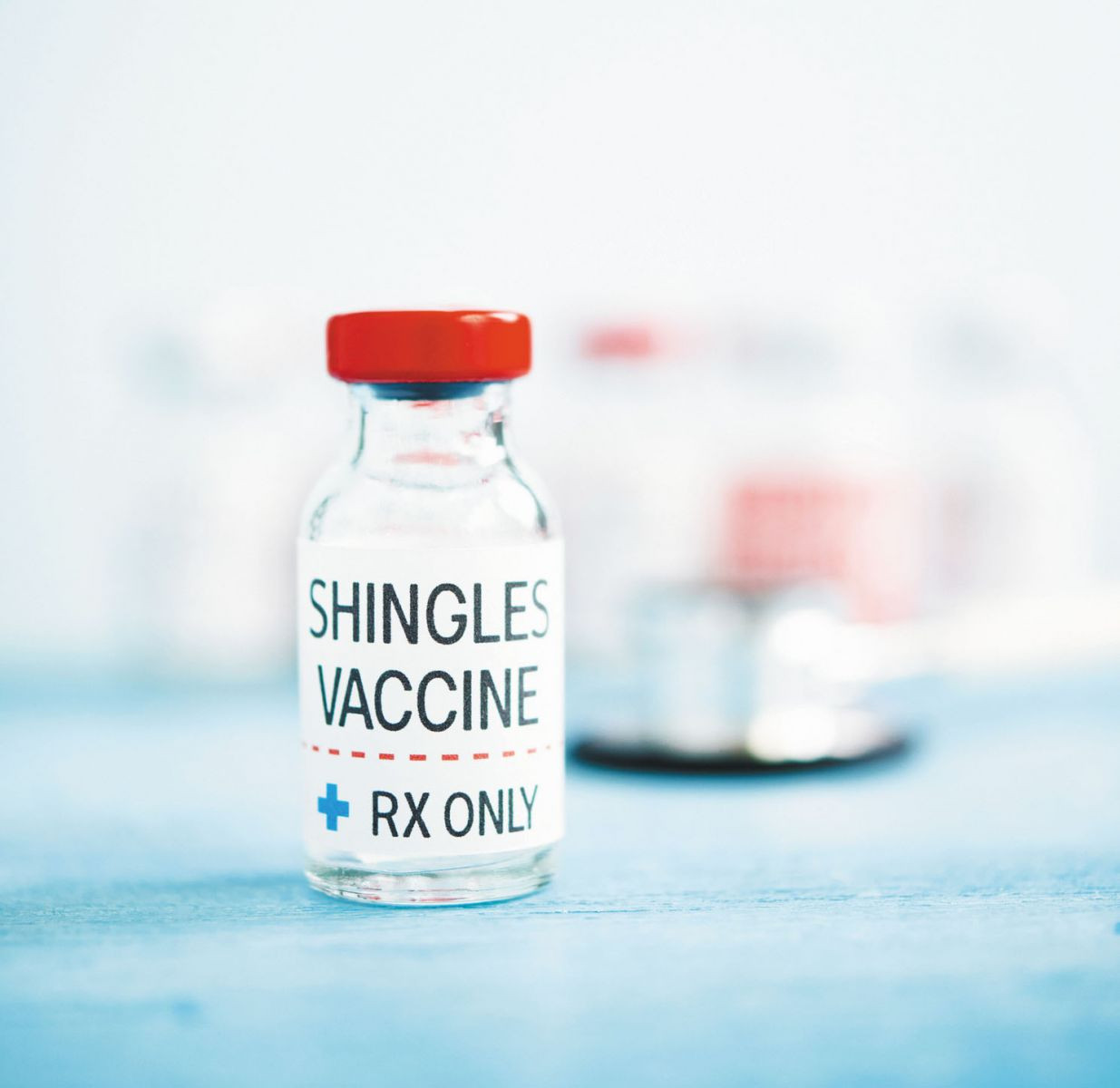
A. Yes and no. If you had chickenpox when you were a child, you are at risk for shingles. Shingles occurs when the varicella-zoster virus that caused your chickenpox re-emerges after lying dormant in your nerve cells from the time of your original illness. When this occurs, you are contagious, but you can't give someone shingles. You can, however, infect people with chickenpox if they haven't been exposed to the virus in the past and haven't been vaccinated against it. For this reason, it's important to take precautions, particularly if you are close to someone who has a weakened immune system.

Red meat, TMAO, and your heart
A substance called trimethylamine N-oxide, which is produced when your body digests red meat, may raise the risk of cardiovascular problems.
Experts used to think that red meat raised your risk of heart disease simply because it was high in saturated fat. But today that picture has gotten more complicated thanks to the discovery of a metabolite — a substance produced during digestion and metabolism — called trimethylamine N-oxide, or TMAO.
According to a news article published June 11 in JAMA, three recent analyses have linked high blood levels of TMAO with a higher risk for both cardiovascular disease and early death from any cause. In one of those studies, researchers found that people with higher levels of TMAO in their blood may have more than twice the risk of heart attack, stroke, or other serious cardiovascular problems, compared with people who have lower levels. Other studies have found links between high TMAO levels and heart failure and chronic kidney disease.

Beware of bats to avoid rabies infection
Research we're watching
Rabies infections are extremely rare in the United States, with only approximately one to three cases seen each year. That number has dropped significantly since the 1930s and 40s when there were 30 to 50 cases during the average year. But when they do occur, they're typically transmitted by infected bats. According to a new report by the CDC, the majority of people who have died from rabies in the United States were infected through contact with a bat. This is the case even though bats represent only one-third of the 5,000 rabid animals typically seen in the United States each year. The second most common source for rabies infections in Americans is rabid dogs encountered when people are traveling overseas.
To prevent exposure to rabies, be certain to let your doctor know if you are scratched or bitten by a bat, or if you awaken with one flying around your house or bedroom, says the CDC. If you are exposed to rabies, your doctor can administer a series of shots (known as post-exposure prophylaxis) before you develop symptoms, which can prevent you from developing a rabies infection, which is almost always fatal. If you are traveling outside the United States, be aware that dogs may carry the infection.

What is a bubble study?
Ask the doctor
Q. My cardiologist mentioned that he was going to do a "bubble study" during my echocardiogram. What is that?
A. During an echocardiogram, a technician uses a probe that emits high-frequency sound waves (ultrasound) that "echo" off the structures of your heart. The waves, which are translated into video images visible on a monitor, can reveal in-formation about your heart's structure and function. A bubble study gives added information, as it can identify potential blood flow issues inside your heart.


Self-help steps to get through hemorrhoid flare-ups
Hemorrhoids are common and can be extremely painful and uncomfortable during occasional flare-ups. These swollen blood vessels on the outer rectum and anus can bleed and turn bowel movements into intensely painful experiences. But simple hemorrhoid self-help measures can ease the ordeal of most hemorrhoids and allow healing. Dr. Jacqueline Wolf, a gastroenterologist and associate professor of medicine at Harvard-affiliated Beth Israel Deaconess Medical Center, suggests some effective steps you can take to care for hemorrhoids—and when it's time to seek out a procedure to remove them.
Step up the fiber
Hemorrhoids come in two varieties. The internal type sprout from within the rectum. External hemorrhoids develop on the anus itself. Either way, passing stools by hemorrhoids may cause pain and bleeding.

Is fibromyalgia hereditary?
Ask the doctors
Q. My mother has fibromyalgia, and I think I'm starting to experience similar symptoms. Is fibromyalgia hereditary?
A. Yes. Fibromyalgia, a chronic pain condition that affects some six million or more Americans, can run in families. In fact, one of the most important risk factors for fibromyalgia is a family history of the disorder. Fibromyalgia is sometimes known to affect multiple members of the same family. Your risk rises if you have a first-degree relative — a parent, a brother, sister, or child — with the condition.

Are sunstroke and heatstroke the same?
On call
Q. Is there any difference between sunstroke and heatstroke and are there certain signs and symptoms I should look for?
A. These two terms refer to the same condition. Heatstroke (or sunstroke) happens when the body can no longer maintain a temperature of under 105° F when exposed to hot weather. People almost always have warning symptoms before heatstroke, yet sometimes they do not pay attention, or are not able to take action.
Hip bursitis vs. arthritis: How to tell the difference
Fitness for longevity: Which type matters most?
Ministrokes linked to elevated risk of dementia
Continuous glucose monitors benefit people who don't need insulin
CoQ10: Should you take this popular supplement if you're on a statin?
Microplastics: A hidden health threat?
Oat vs. dairy milk: Nutrition, benefits, and downsides
What is tempeh? Benefits, nutrition, and how to use it
Healing after food poisoning
Whole grains may improve several heart risk factors at once
Free Healthbeat Signup
Get the latest in health news delivered to your inbox!
Sign Up
