

Hip bursitis vs. arthritis: How to tell the difference

Fitness for longevity: Which type matters most?

Ministrokes linked to elevated risk of dementia

Continuous glucose monitors benefit people who don't need insulin

CoQ10: Should you take this popular supplement if you're on a statin?

Microplastics: A hidden health threat?

Oat vs. dairy milk: Nutrition, benefits, and downsides

What is tempeh? Benefits, nutrition, and how to use it

Healing after food poisoning

Whole grains may improve several heart risk factors at once
Emotional and mental well-being Archive
Articles
Daily vitamin D supplements may help slow aging
Taking 2,000 International Units of supplemental vitamin D3 daily may help slow the cellular aging process, according to a 2025 study.

4 questions to ask before you get anesthesia
The four types of anesthesia include local anesthesia, regional anesthesia, monitored anesthesia, and general anesthesia. Before getting anesthesia, one should ask the doctor which type of anesthesia will be administered, what its risks are, and if delirium is a high risk. One should also ask how to prepare for anesthesia in the days leading up to a procedure-whether medications might need to be temporarily halted, when to stop eating or drinking before surgery, and whether to schedule measures to help reduce delirium.
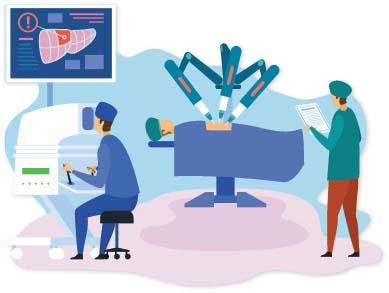
Is robotic surgery a good idea?
In robotic surgery, a surgeon controls robotic instruments that perform the operation, based on what the surgeon sees on a TV monitor. This type of surgery has many advantages: it involves small incisions, better views inside the body, and better range of motion than human hands. A research letter published in the May 2025 issue of JAMA Neurology described how robots controlled by a distant surgeon could reach in, grab, and remove blood clots stuck in a brain artery, reducing the damage from a stroke.
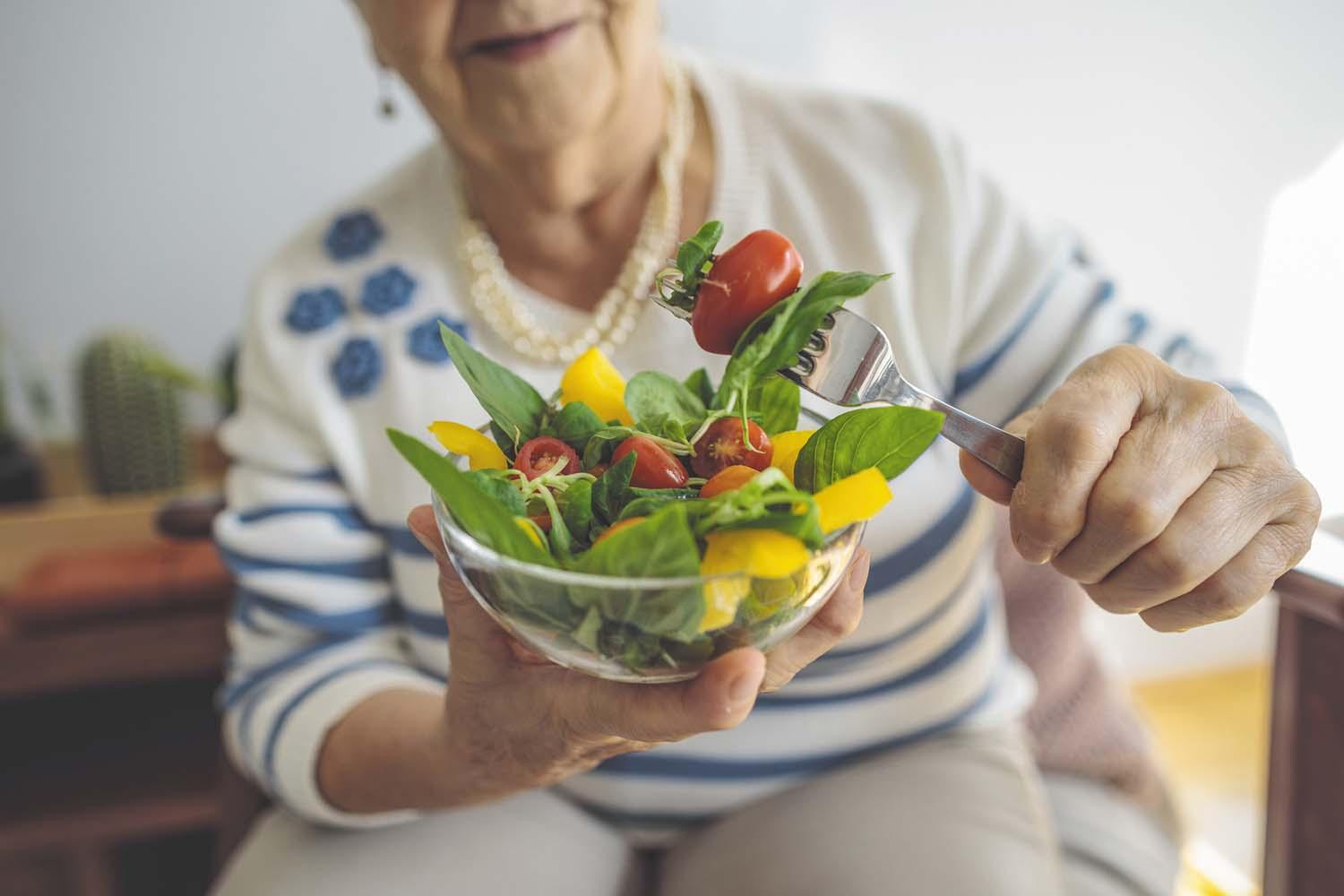
Eat a healthy diet and banish a big belly to protect your mind
In a 2025 study, people with the healthiest diets and trimmest bellies at midlife had better brain connections and skills decades later, compared with people who ate the worst diets and had the most belly fat.
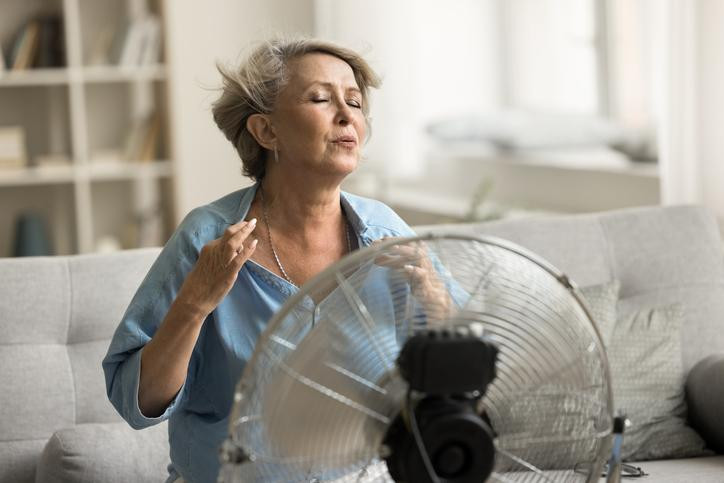
Extreme heat endangers older adults: What to know and do
The surge in heat waves and extreme heat poses serious health risks for everyone but is a particular worry for older adults. What can you do to manage heat-related risks, especially if you have existing health conditions or take certain medications?


Midlife pressure surge
High blood pressure means that blood pushes against artery walls more forcefully than normal. Women's blood pressure is typically lower than men's until around age 60. An estimated 41% of women develop high blood pressure after menopause. High blood pressure increases people's risks of heart attack, stroke, kidney disease, and other problems. Factors that increase women's risk of high blood pressure at midlife include menopause, elevated sympathetic nerve activity, weight gain and redistribution, stress, and genetics.

Weight training may protect the brain from cognitive decline
A small 2025 study found that older adults who did six months of weight training improved their ability to recall recent events and information. They also had had less brain shrinkage in regions affected by Alzheimer's disease, compared with people who did not do the training.

How to fill out a "flat" behind
Older men can get "flat" or weak buttocks from spending too much time sitting, which can weaken gluteal muscles and create tight hip flexors. This weakness can place excess demand on other parts of the body, which can lead to pain in the lower back, hips, and knees and increase risk for lower-body injuries. The best way to strengthen a weak backside is to break up prolonged periods of sitting with regular movement and perform exercises that build up gluteal muscles, such as deadlifts, bridges, and step-ups.
Hip bursitis vs. arthritis: How to tell the difference
Fitness for longevity: Which type matters most?
Ministrokes linked to elevated risk of dementia
Continuous glucose monitors benefit people who don't need insulin
CoQ10: Should you take this popular supplement if you're on a statin?
Microplastics: A hidden health threat?
Oat vs. dairy milk: Nutrition, benefits, and downsides
What is tempeh? Benefits, nutrition, and how to use it
Healing after food poisoning
Whole grains may improve several heart risk factors at once
Free Healthbeat Signup
Get the latest in health news delivered to your inbox!
Sign Up
