

Hip bursitis vs. arthritis: How to tell the difference

Fitness for longevity: Which type matters most?

Ministrokes linked to elevated risk of dementia

Continuous glucose monitors benefit people who don't need insulin

CoQ10: Should you take this popular supplement if you're on a statin?

Microplastics: A hidden health threat?

Oat vs. dairy milk: Nutrition, benefits, and downsides

What is tempeh? Benefits, nutrition, and how to use it

Healing after food poisoning

Whole grains may improve several heart risk factors at once
Exercise and Fitness Archive
Articles
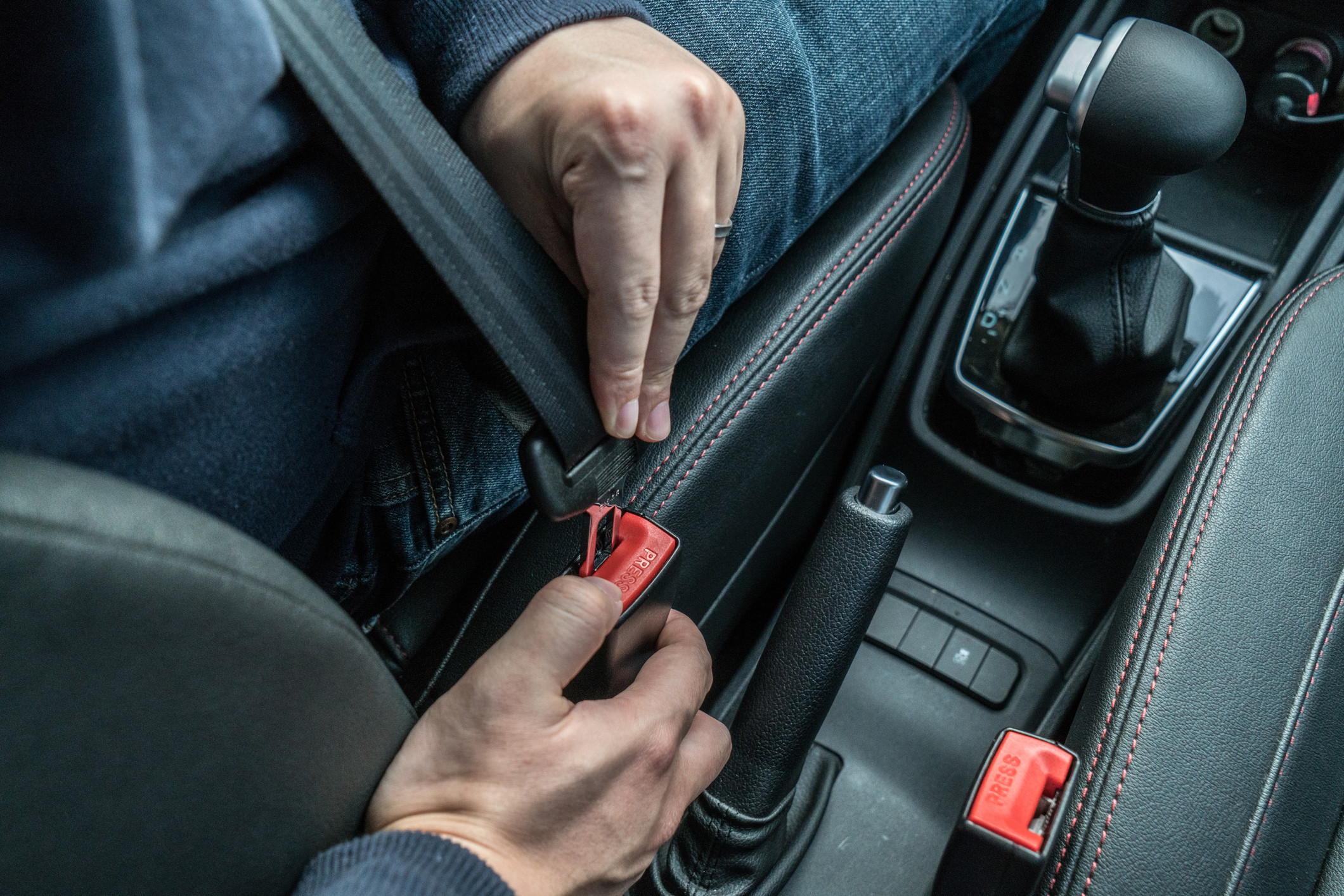
Safe driving protects your brain
Of course, observing safe driving habits is a common-sense practice that can help you avoid injury, but these driving guidelines can help protect your brain as well.

Harvard researchers say healthy habits may add years to your life
News briefs
Image: © filadendron/Getty Images
What's the secret to living longer? A Harvard study published online April 30, 2018, by Circulation suggests that it may come down to five healthy habits: eating a healthy diet, exercising daily, keeping a healthy body weight, drinking alcohol only in moderation, and not smoking. Researchers combed through information from two large studies that tracked more than 123,000 men and women for about three decades. Scientists estimated that life expectancy for study participants (at age 50) was 79 for women and 75 for men, if they didn't maintain healthy habits. But if they adopted all five habits, life expectancy at age 50 jumped to 93 for women and 87 for men. And following even one healthy habit was associated with a lower risk for dying young. The study is only observational and doesn't prove that healthy habits extend your life. But the findings build on similar research. "It's never too late to make positive lifestyle changes. Even for those who are 70 or older, following a healthy lifestyle such as eating a healthy diet and being physically active can add more years to life," says Dr. Frank Hu, senior author of the study and chair of the Department of Nutrition at the Harvard T.H. Chan School of Public Health.

Exercise: Better starting later than never
Research we're watching
Image: © adamkaz/Getty Images
Exercising regularly throughout life is the best way to keep your heart healthy. But starting to exercise even in late middle age may lessen the risk of heart failure, according to a report in the May 15 issue of Circulation. Heart failure, a gradual decline in the heart's ability to pump enough blood to meet the body's needs, affects about 6.5 million people in the United States.
The study involved more than 11,000 people who were part of a long-running project begun in the late 1980s, the Atherosclerosis Risk in Communities Study. Every six years, participants got medical testing and filled out questionnaires about their physical activity.

Lifting weights might lift your mood
In the journals
Aerobic exercise has been linked with reducing symptoms of depression, but resistance training, such as weight lifting and bodyweight exercises like push-ups, can have the same effect.
A meta-analysis published in the June 2018 JAMA Psychiatry examined the effects of resistance training on depression symptoms in 33 clinical trials involving 1,877 people. The researchers found that people who did this type of exercise reported a significant reduction in such symptoms as low mood, loss of interest in activities, and feelings of worthlessness, compared with those who did not exercise.

Want more energy? Here’s what really helps
Do you sometimes feel like the Energizer Bunny with a weak battery? You start out strong, but by midafternoon you're starting to flag.
We all get tired from time to time, but fatigue tends to become more common as we get older. Assuming your doctor has ruled out medical causes for persistent fatigue, there are a few basic steps you can take to feel more energetic day to day.

5 habits for moms that help prevent childhood obesity
It might be surprising to learn that parents can help fight childhood obesity by taking good care of themselves. A new study found that when mothers follow five healthy lifestyle habits, their kids are much less likely to become obese.


How to sneak in more daily exercise
Moving throughout the day offers big benefits for your long-term health.
Image: © Paul Bradbury/Getty Images
There's an old saying: "If you want to stay moving, you have to get moving." But for a lot of us, that's easier said than done.
The Department of Health and Human Services (HHS) says we've become a nation of sitters, and our increasingly sedentary lifestyle has become America's primary health crisis, especially for older adults.
Heart trouble in your family? Exercise may offer protection
In the journals
If heart disease runs in your family, improving your fitness may be a great way to help prevent it, according to a study published online April 9, 2018, by Circulation.
Researchers reviewed data from about 502,000 people, ages 40 to 69, who filled out questionnaires about their current physical activity and family medical history. The researchers also measured the participant daily activity level, grip strength, and cardiovascular fitness.
Hip bursitis vs. arthritis: How to tell the difference
Fitness for longevity: Which type matters most?
Ministrokes linked to elevated risk of dementia
Continuous glucose monitors benefit people who don't need insulin
CoQ10: Should you take this popular supplement if you're on a statin?
Microplastics: A hidden health threat?
Oat vs. dairy milk: Nutrition, benefits, and downsides
What is tempeh? Benefits, nutrition, and how to use it
Healing after food poisoning
Whole grains may improve several heart risk factors at once
Free Healthbeat Signup
Get the latest in health news delivered to your inbox!
Sign Up
