

Hip bursitis vs. arthritis: How to tell the difference

Fitness for longevity: Which type matters most?

Ministrokes linked to elevated risk of dementia

Continuous glucose monitors benefit people who don't need insulin

CoQ10: Should you take this popular supplement if you're on a statin?

Microplastics: A hidden health threat?

Oat vs. dairy milk: Nutrition, benefits, and downsides

What is tempeh? Benefits, nutrition, and how to use it

Healing after food poisoning

Whole grains may improve several heart risk factors at once
Fall prevention Archive
Articles
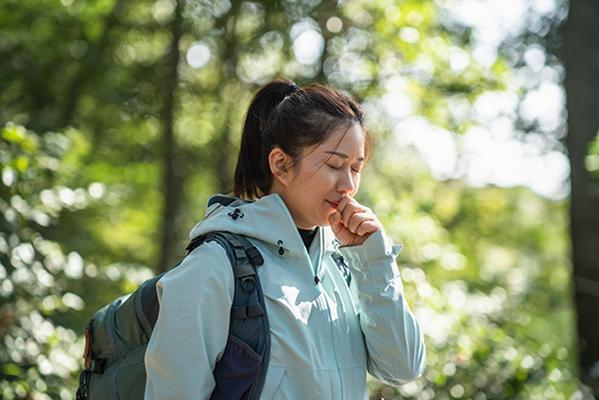
How can I prevent spring allergies?
Last year's spring allergies were miserable. Learn when to begin antihistamines and nasal sprays so symptoms are blunted before pollen peaks.
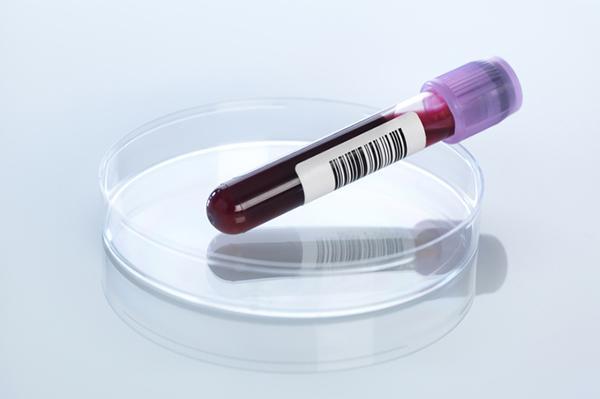
What might be causing my anemia?
An anemia diagnosis can cause concern. Doctors can trace possible causes through clues that provide information about iron levels, hidden blood loss, nutrition, and bone marrow.
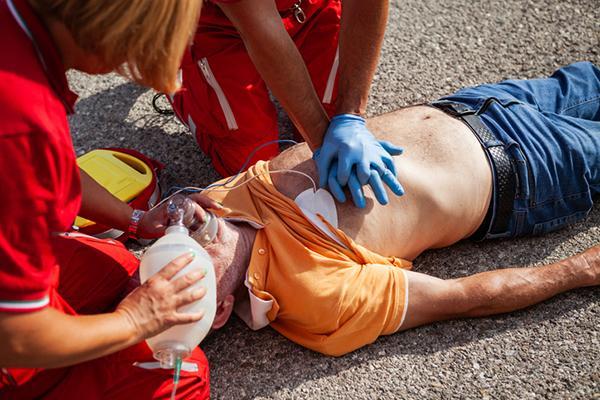
CPR on TV may be misleading
Television portrayals of hands-only cardiopulmonary resuscitation (CPR) aren't always accurate, according to a 2026 analysis. Inaccurate depictions involved the age of CPR recipients, how CPR was done and the location of where it was performed.

Emojis in electronic health records could be confusing
Although rare, emojis are now beginning to appear in electronic medical records sent to patients. People who are unsure about the meaning of any such messages should ask for clarification.

Remedies for motion sickness: What works?
Motion sickness is tricky to treat. Gadgets such as wristbands and special glasses may help, but their reported benefits may be due to the placebo effect. Several drugs, including a new one that curbs vomiting, are available.
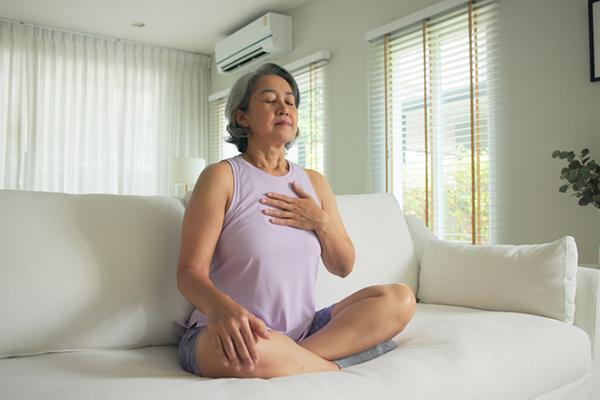
Breathing exercises to lower your blood pressure
For people with high blood pressure, practicing slow, deep breathing for 15 minutes a day can potentially lower blood pressure. Helpful techniques include 4-7-8 breathing, box breathing, and belly breathing. Devices to guide breathing exercises may also be useful.
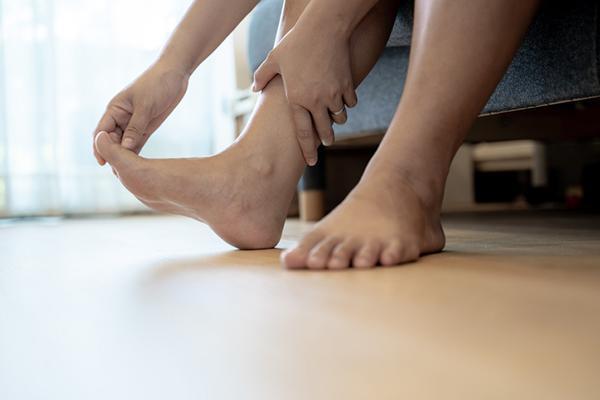
Why do my fingers and ankles swell by the end of the day?
Edema is swelling caused by fluid trapped in body tissues. It can occur in anyone, but it’s more common in older adults. A variety of factors contribute to mild edema, including weakened valves in veins, gravity, inactivity, arthritis, and certain medications.
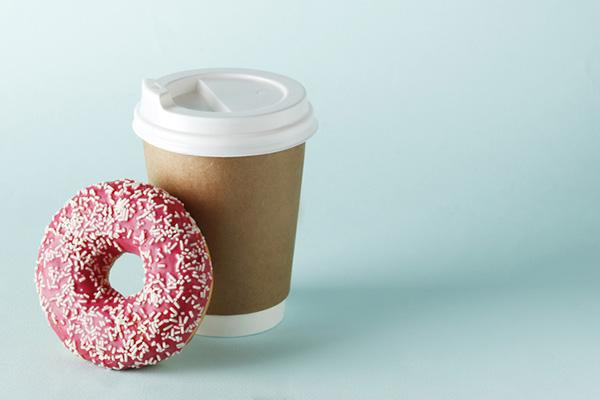
GERD diet: Foods to avoid to reduce acid reflux
Dietary changes can make a big difference for people with gastroesophageal reflux disease (GERD). Foods to limit or avoid include chocolate, onions, and tomato sauce. Adjusting eating habits-by eating smaller portions, for example-might also help people avoid heartburn and other symptoms.
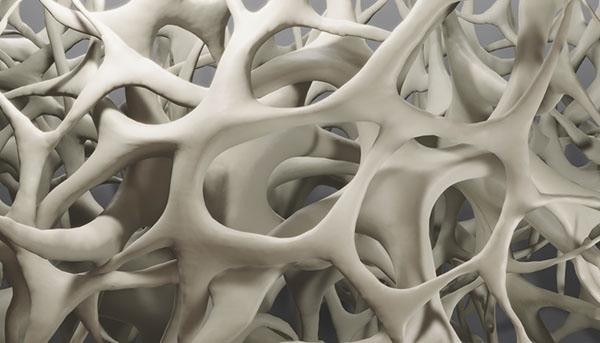
Everyday habits that sneakily weaken your bones
A variety of everyday habits can stealthily reduce bone health. These include consuming too little calcium, excessive caffeine or soda, inadequate protein, and large amounts of alcohol, as well as smoking, being sedentary, dieting frequently, or taking certain medications.
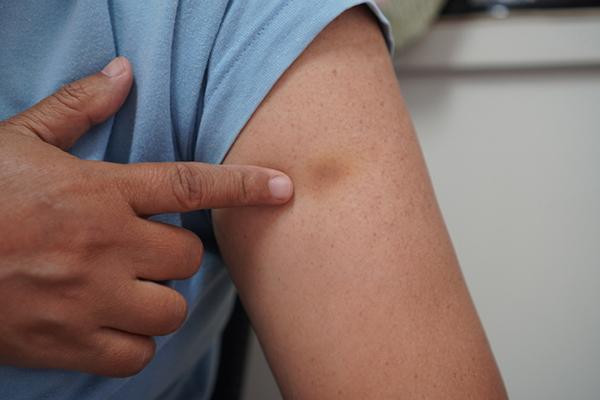
Why do I bruise so easily?
As we get older, noticeable bruises are usually related to thinning skin and increasing fragility of the tiny blood vessels in the outer layer of skin. There is not much people can do about this, but they should see their doctors if bruising is excessive or becomes painful.
Hip bursitis vs. arthritis: How to tell the difference
Fitness for longevity: Which type matters most?
Ministrokes linked to elevated risk of dementia
Continuous glucose monitors benefit people who don't need insulin
CoQ10: Should you take this popular supplement if you're on a statin?
Microplastics: A hidden health threat?
Oat vs. dairy milk: Nutrition, benefits, and downsides
What is tempeh? Benefits, nutrition, and how to use it
Healing after food poisoning
Whole grains may improve several heart risk factors at once
Free Healthbeat Signup
Get the latest in health news delivered to your inbox!
Sign Up
