

Hip bursitis vs. arthritis: How to tell the difference

Fitness for longevity: Which type matters most?

Ministrokes linked to elevated risk of dementia

Continuous glucose monitors benefit people who don't need insulin

CoQ10: Should you take this popular supplement if you're on a statin?

Microplastics: A hidden health threat?

Oat vs. dairy milk: Nutrition, benefits, and downsides

What is tempeh? Benefits, nutrition, and how to use it

Healing after food poisoning

Whole grains may improve several heart risk factors at once
Fatty liver disease Archive
Articles

Will eating red meat bring on diabetes?
In a 2023 Harvard Medical School study of more than 216,000 people (followed for up to 36 years), those who reported eating the most red meat had a 62% higher risk of developing diabetes, compared with those who reported eating the least red meat each week.

Waist-to-hip ratio better than BMI in predicting future health issues
According to a 2023 study, a person's waist-to-hip ratio-the circumference of the waist divided by the circumference of the hip-is a better predictor of future health issues like high blood pressure, heart disease, and type 2 diabetes than body mass index.

Why am I prone to skin tags?
Skin tags are fleshy, soft growths that tend to develop on the neck, under the arms, or around the groin. People who develop many skin tags should see their doctor, since they may be associated with diabetes or metabolic syndrome. Skin tags can be removed using various methods.

Uncontrolled high blood pressure or diabetes tied to severe COVID-19 outcomes
A 2023 study of 1.5 million people found that those who had uncontrolled high blood pressure or diabetes prior to getting COVID-19 had increased risks for COVID complications (such as hospitalization or being on a ventilator), compared with people whose high blood pressure or diabetes was well controlled.

How healthy is sugar alcohol?
Food products advertised as being lower in sugar or sugar-free contain sugar substitutes. Sugar alcohol is another ingredient used as a sweetener in food products. But is sugar alcohol a better choice nutritionally than other sweeteners or natural sugar?
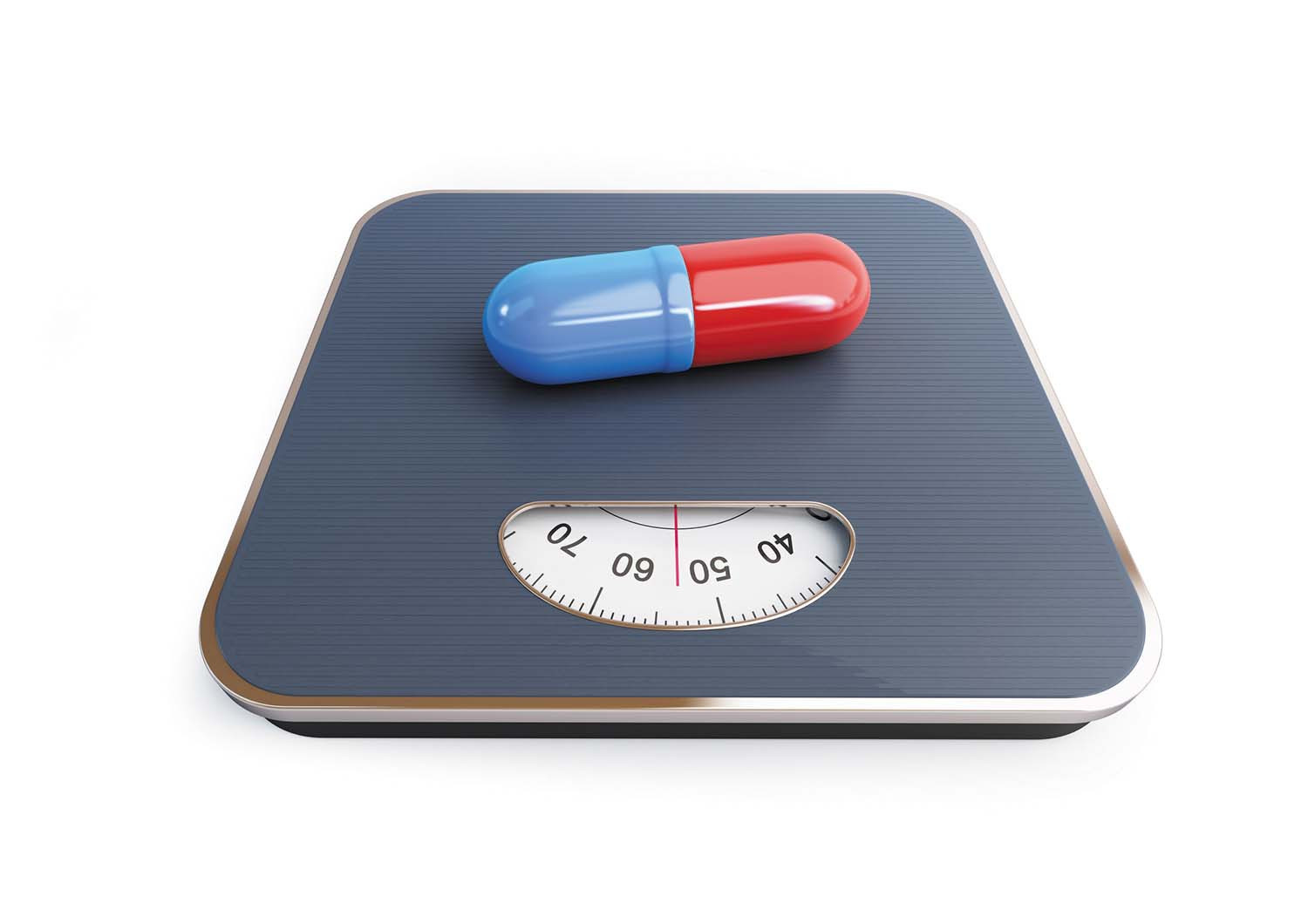
Understanding new weight-loss drugs
A newer class of medications used to treat type 2 diabetes called glucagon-like peptide-1 (GLP-1) receptor agonists has gained attention because of their impressive weight-loss results—in many cases, 10% to 20% of a person's body weight. Versions of two of these GLP-1 receptor agonists, liraglutide (Saxenda) and semaglutide (Wegovy), are FDA-approved for weight loss, even for people without diabetes. However, there isn't enough evidence to know whether these drugs might be beneficial or dangerous for people who are not diagnosed with diabetes or obesity.

Prediabetes linked to higher risk of cardiovascular problems
Even slightly elevated blood sugar levels—a condition known as pre-diabetes—may raise the risk of cardiovascular problems. But attention to weight loss and greater use of medications to lower blood pressure and cholesterol appear to reduce the risk.

Are you an everyday exerciser or a weekend warrior?
People who get most of their recommended weekly physical activity over one or two days may lower their heart disease risk just as much as those who are active more regularly throughout the week. Evidence also suggests there's no particular benefit to exercising at certain times of the day, including with respect to mealtimes. So people should be physically active whenever they find it to be most convenient.

Should you worry about prediabetes?
Approximately 88 million Americans—more than one in three—have prediabetes, a condition in which the average amount of sugar in the blood (glucose) is high but not high enough to be diagnosed as diabetes. Among people who develop prediabetes, older ones are less likely than younger ones to eventually develop full-blown diabetes. Still, they should have their glucose levels checked, as prediabetes can put them at high risk for heart attack and stroke.

Baby, it's cold inside
Some older adults feel cold frequently. This may result from age-related physical changes or an underlying condition. Examples of underlying conditions that might make a person feel cold include anemia, an underactive thyroid, diabetic neuropathy, peripheral artery disease, or Raynaud's phenomenon. People who experience coldness that interferes with their daily activities or sleep should talk to a doctor about it.
Hip bursitis vs. arthritis: How to tell the difference
Fitness for longevity: Which type matters most?
Ministrokes linked to elevated risk of dementia
Continuous glucose monitors benefit people who don't need insulin
CoQ10: Should you take this popular supplement if you're on a statin?
Microplastics: A hidden health threat?
Oat vs. dairy milk: Nutrition, benefits, and downsides
What is tempeh? Benefits, nutrition, and how to use it
Healing after food poisoning
Whole grains may improve several heart risk factors at once
Free Healthbeat Signup
Get the latest in health news delivered to your inbox!
Sign Up
