

Hip bursitis vs. arthritis: How to tell the difference

Fitness for longevity: Which type matters most?

Ministrokes linked to elevated risk of dementia

Continuous glucose monitors benefit people who don't need insulin

CoQ10: Should you take this popular supplement if you're on a statin?

Microplastics: A hidden health threat?

Oat vs. dairy milk: Nutrition, benefits, and downsides

What is tempeh? Benefits, nutrition, and how to use it

Healing after food poisoning

Whole grains may improve several heart risk factors at once
Fungal skin infections Archive
Articles

Poison ivy: Scratchin' like a hound?
Misconceptions about poison ivy are common - from when you can get it to how you might get it, and the best ways to treat it. Knowing the facts can help you avoid it, or treat it properly if you are exposed to it.

Ringworm: What to know and do
Ringworm is a common, contagious skin infection caused by a fungus. Children can get it from other people who have it or from an infected animal. While it can be itchy and unpleasant, ringworm is usually harmless.
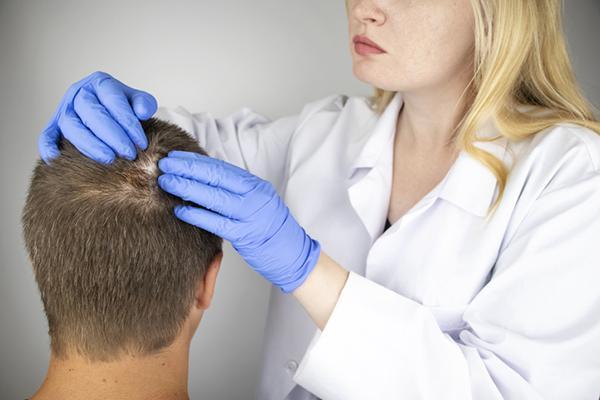
What can cause hair loss in small patches?
Small bald spots can result from stress, but not always. Patchy loss can reflect hereditary patterns, alopecia areata, fungal infection, or scalp disease.

How long can athlete's foot fungus linger in shoes?
Warm, damp shoes can harbor fungus well after a skin infection clears. Fresh socks, antifungal powder, rotation, and retiring old shoes are all important.
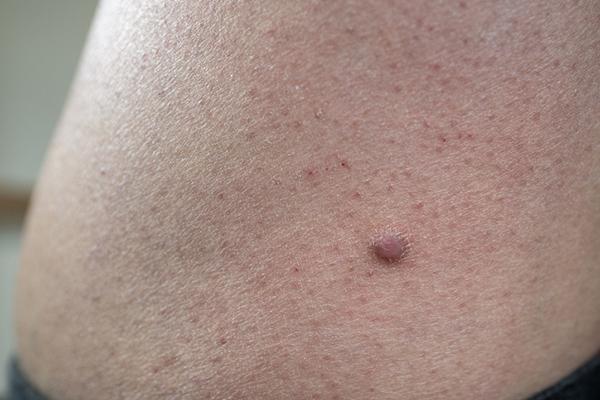
What is a dermatofibroma and how can I prevent a recurrence?
These small, firm skin bumps are usually benign and often appear on the legs. Learn why they form, how they’re removed, and sun‑safety basics to help prevent another one.
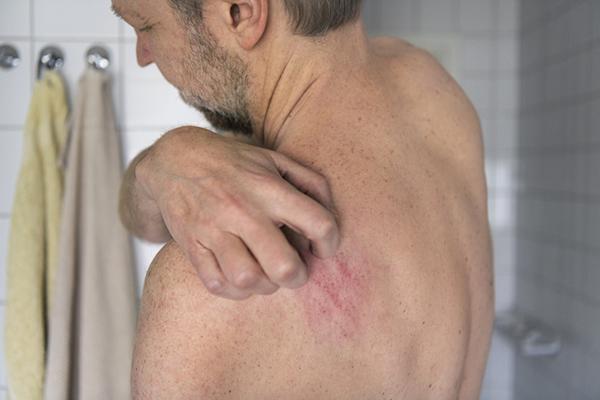
What is neurodermatitis and how is it treated?
Years of relentless itching and thickened skin may reflect an itch‑scratch cycle. Creams alone may fall short and broader treatment may be needed.

It's not too late to save thinning hair
Treatment for hair loss depends on the type of hair loss a person is experiencing. Sudden hair loss often gets better on its own once an underlying condition is treated. Gradual hair thinning caused by aging or genetics may stop or start to reverse with topical medications, oral medications, supplements, laser light treatments, or injections of platelet-rich plasma. And for any of these approaches, the key is starting them as soon as hair loss is detected. Once hair follicles stop working, the only option to restore hair is hair transplant surgery.
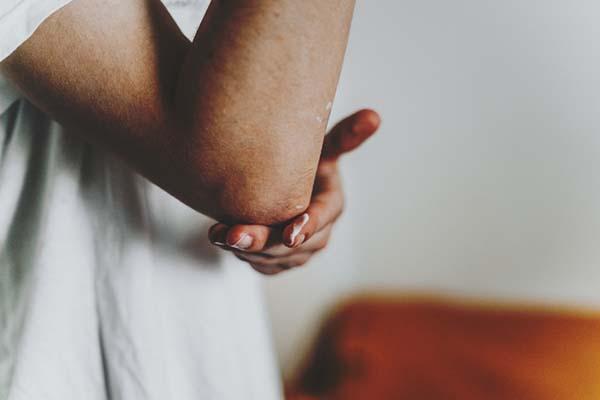
What everyday irritants can trigger eczema flare-ups?
Eczema flare-ups often trace back to everyday products and habits. See which irritants to skip and how simple swaps may help calm itchy skin.
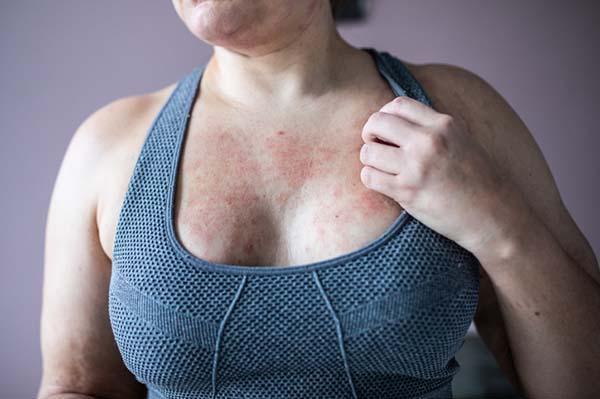
What causes painful, itchy bumps on the skin after sweating?
Painful, itchy bumps that appear on the chest or back with sweating may signal a heat-related skin reaction that often improves with simple care.
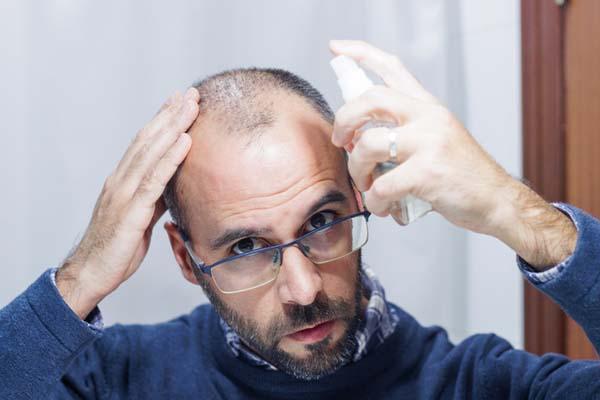
Treating hair loss in men: What works?
Two drugs-minoxidil (Rogaine, sold over the counter as a foam or liquid to be applied to the scalp) and finasteride (Propecia, a prescription pill)-are approved for treating male-pattern baldness. Several promising new drug options are in the pipeline.
Hip bursitis vs. arthritis: How to tell the difference
Fitness for longevity: Which type matters most?
Ministrokes linked to elevated risk of dementia
Continuous glucose monitors benefit people who don't need insulin
CoQ10: Should you take this popular supplement if you're on a statin?
Microplastics: A hidden health threat?
Oat vs. dairy milk: Nutrition, benefits, and downsides
What is tempeh? Benefits, nutrition, and how to use it
Healing after food poisoning
Whole grains may improve several heart risk factors at once
Free Healthbeat Signup
Get the latest in health news delivered to your inbox!
Sign Up
