

Hip bursitis vs. arthritis: How to tell the difference

Fitness for longevity: Which type matters most?

Ministrokes linked to elevated risk of dementia

Continuous glucose monitors benefit people who don't need insulin

CoQ10: Should you take this popular supplement if you're on a statin?

Microplastics: A hidden health threat?

Oat vs. dairy milk: Nutrition, benefits, and downsides

What is tempeh? Benefits, nutrition, and how to use it

Healing after food poisoning

Whole grains may improve several heart risk factors at once
Grief Archive
Articles

How to stay motivated
Want to make a change but wondering how to stay motivated? Dr. Srini Pillay talks about the things that can impact personal motivation and the power of a sense of meaning to help you stick with your goals.

What men can gain from therapy
Men are often reluctant to seek therapy. After all, it involves asking for help and talking candidly about one’s emotions, two things that many men are eager to avoid. But men should know that there’s no need to “tough out” whatever they’re going through. There are plenty of professionals out there who are ready and willing to lend an ear.


Lend a hand, help your heart?
People who do volunteer work may reap benefits beyond the satisfaction of helping others.
Doing volunteer work may give you a greater sense of purpose in life—a positive emotion that’s been linked to a lower risk of heart disease.
Image: monkeybusinessimages/Thinkstock
If you volunteer on a regular basis, perhaps you've experienced the emotional rewards of donating your time. What you might not realize, however, is that volunteering may offer some added advantages for your heart.
More than sad: Depression affects your ability to think
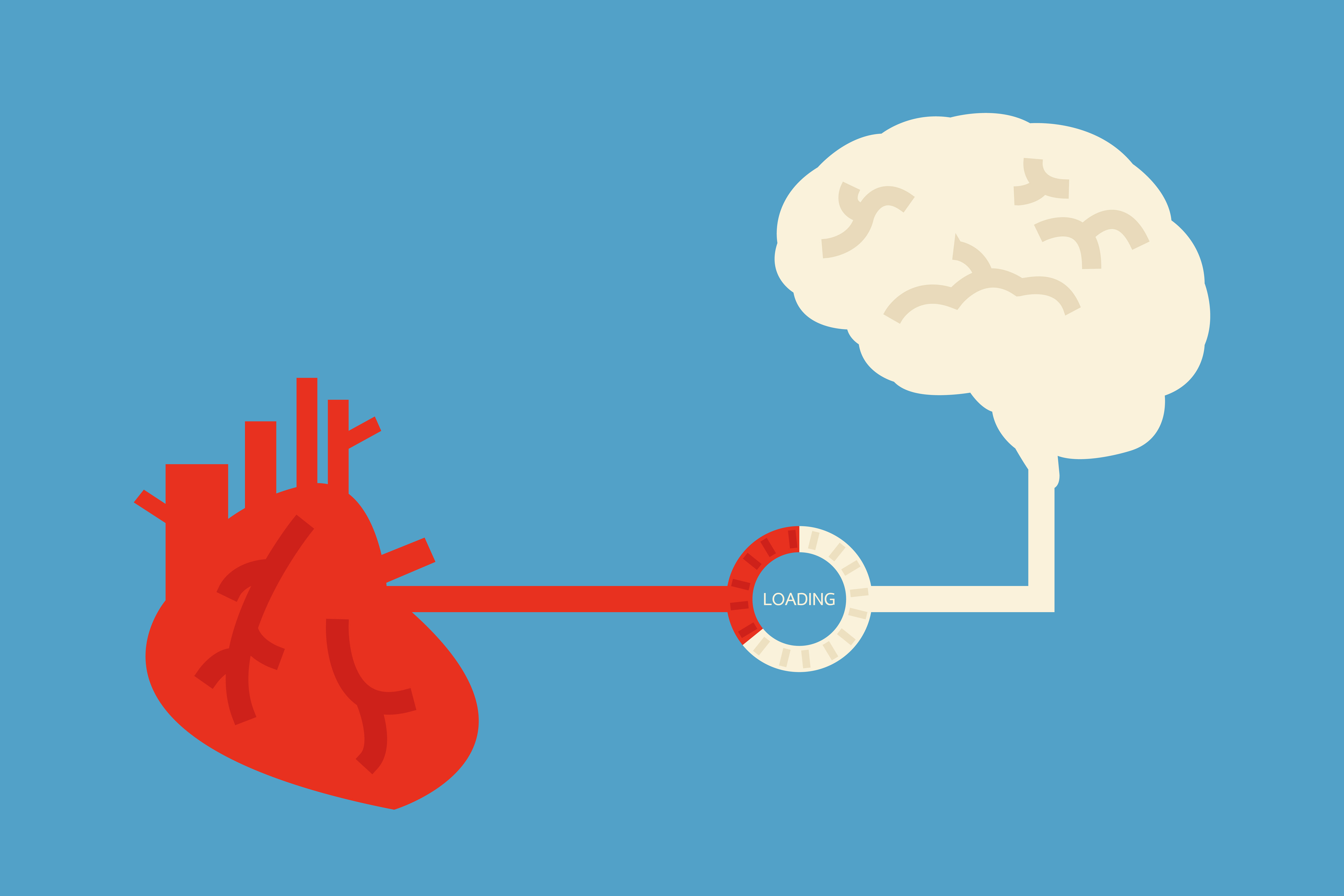
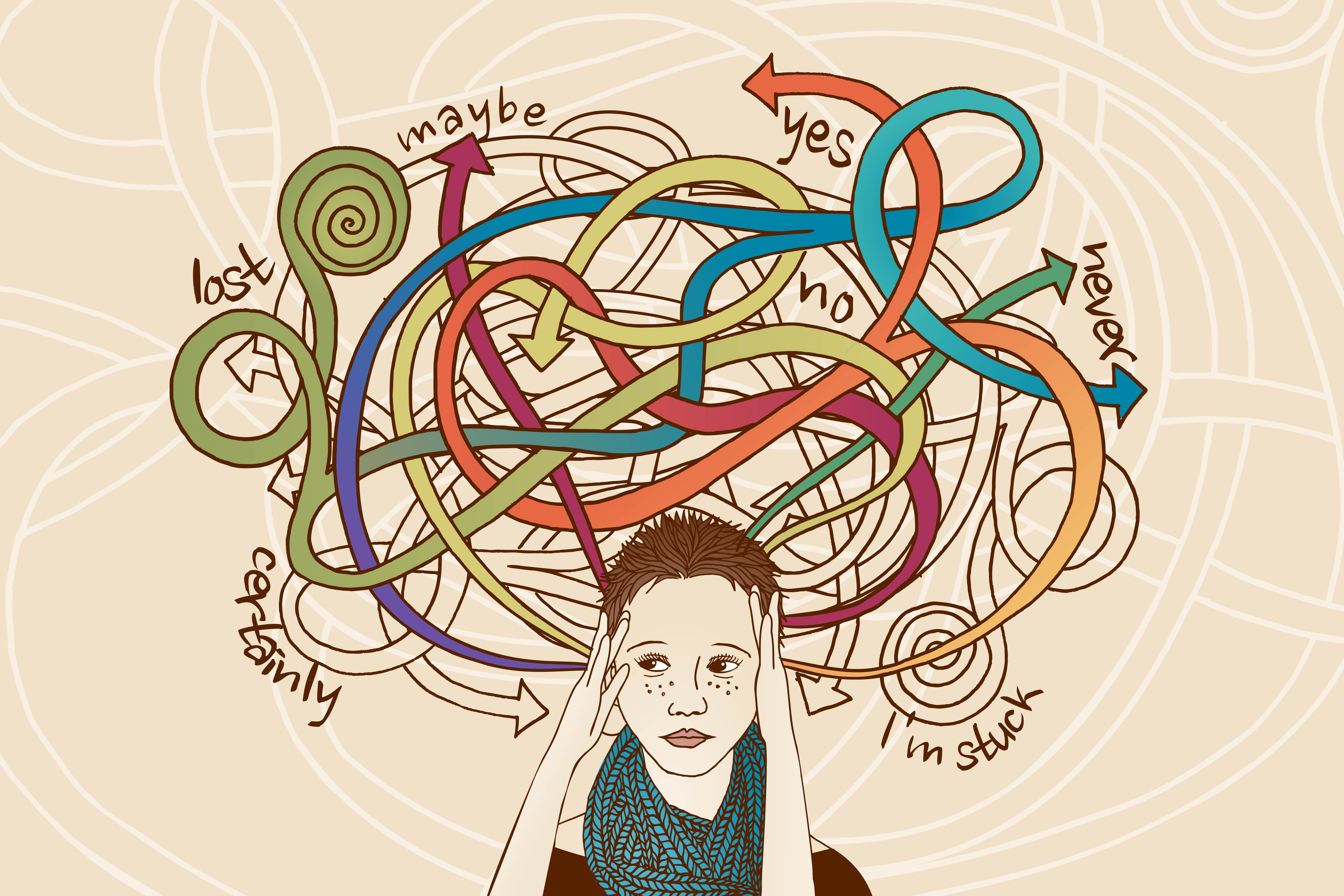
We often think of depression as making someone feel “down,” but it can sometimes show up as cognitive symptoms — for example, trouble with adapting to new information or thinking through a solution to a problem. Researchers recently determined that several common depression medications are not effective at relieving cognitive symptoms. But there are several things people with depression can try to help return themselves to their usual level of cognitive functioning.



Could lack of sleep trigger a food “addiction”?
Many people cite a lack of “motivation” or “willpower” as the reason that overweight people can’t control their eating habits. But a wealth of evidence has come to light that obesity is linked to insufficient sleep. Most recently, an experimental study has found that restricted sleep can increase the levels of brain chemicals that make eating pleasurable. Could it be that insufficient sleep makes the brain addicted to the act of eating?
A monthly shot for opioid addiction: An option for some
Several long-term treatments can help people overcome opioid addiction. One of them, naltrexone, may help people who have trouble sticking with taking a pill every day. Naltrexone can be offered as a monthly injection called Vivitrol, which has been shown to help more people stay on treatment as compared to the pill form. However, it’s not for everyone, and like all treatments for opioid addiction, it must be used very carefully.
Hip bursitis vs. arthritis: How to tell the difference
Fitness for longevity: Which type matters most?
Ministrokes linked to elevated risk of dementia
Continuous glucose monitors benefit people who don't need insulin
CoQ10: Should you take this popular supplement if you're on a statin?
Microplastics: A hidden health threat?
Oat vs. dairy milk: Nutrition, benefits, and downsides
What is tempeh? Benefits, nutrition, and how to use it
Healing after food poisoning
Whole grains may improve several heart risk factors at once
Free Healthbeat Signup
Get the latest in health news delivered to your inbox!
Sign Up
