

Hip bursitis vs. arthritis: How to tell the difference

Fitness for longevity: Which type matters most?

Ministrokes linked to elevated risk of dementia

Continuous glucose monitors benefit people who don't need insulin

CoQ10: Should you take this popular supplement if you're on a statin?

Microplastics: A hidden health threat?

Oat vs. dairy milk: Nutrition, benefits, and downsides

What is tempeh? Benefits, nutrition, and how to use it

Healing after food poisoning

Whole grains may improve several heart risk factors at once
Headache and migraine Archive
Articles
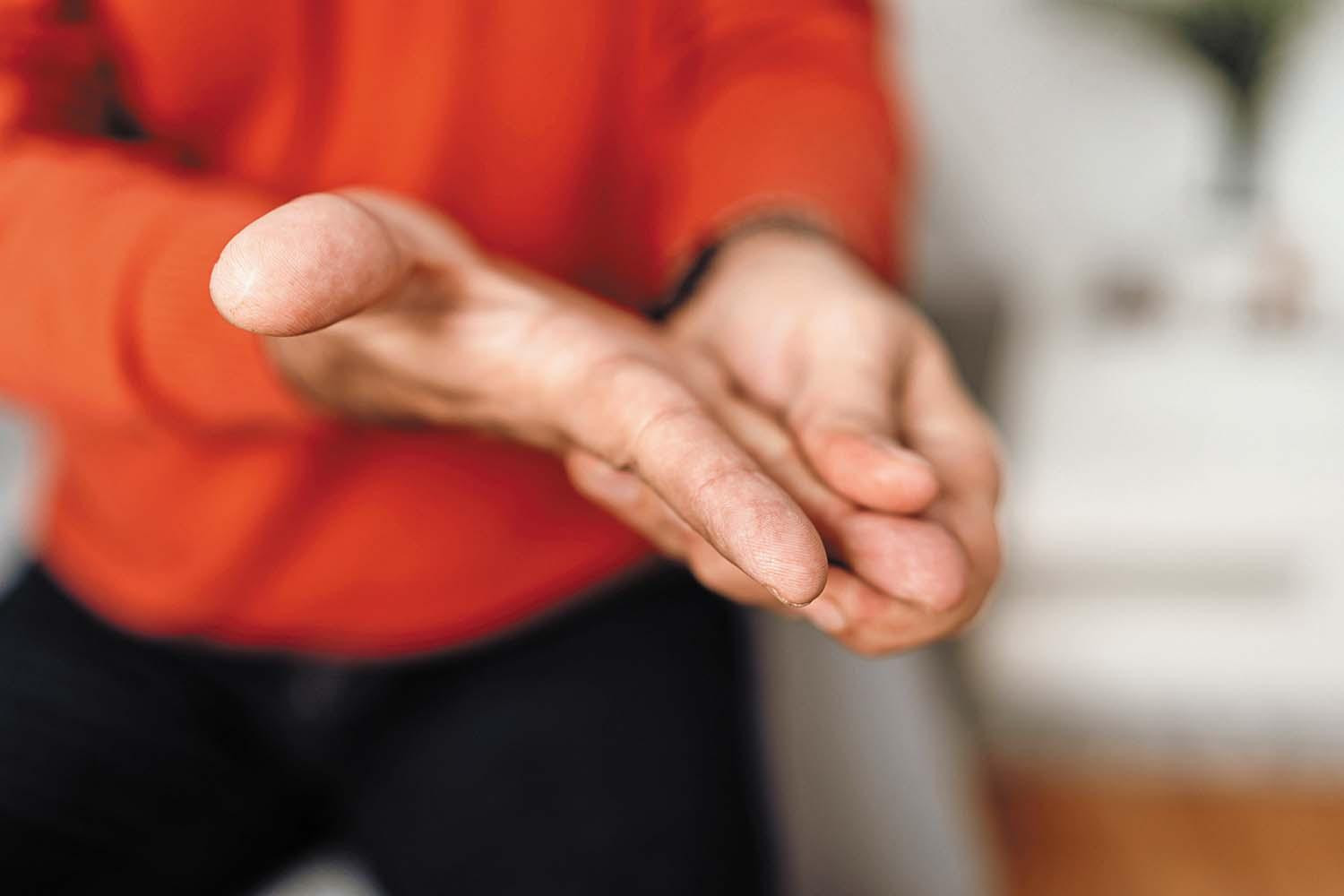
What is essential tremor?
Essential tremor is marked by involuntary shaking of one or more body parts, such as the hands, arms, legs, or head. Avoiding caffeine and stress and getting plenty of rest can be helpful. Several medications are available to ease the symptoms.
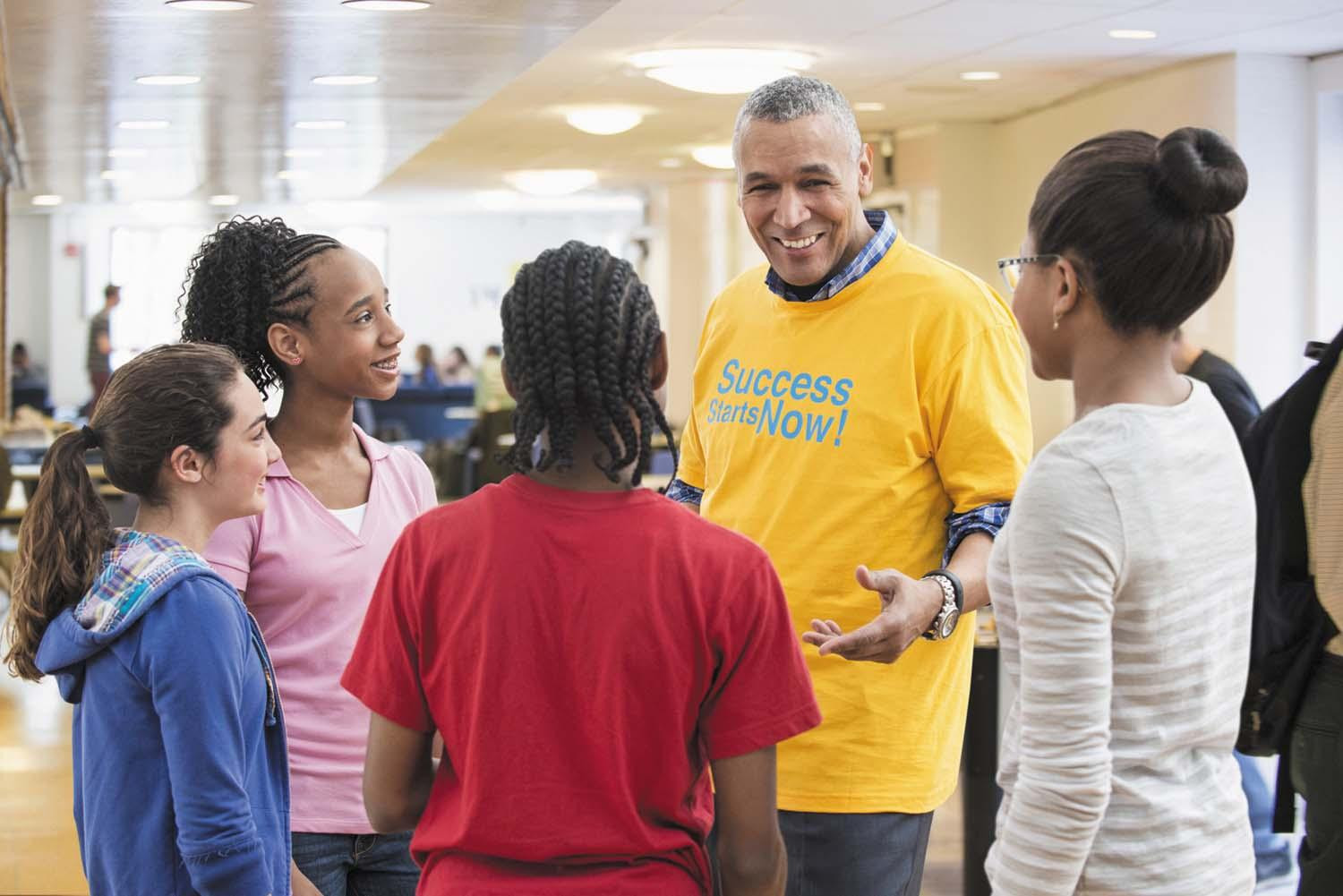
Working during retirement years
Continuing to work in retirement can address many specific health needs of men as they age, such as stronger social connection, better cognitive health, and a greater sense of purpose. Regular work has been linked with higher rates of happiness and a lower risk for multiple health conditions. For men who don't want to re-enter the workforce, options like volunteering and mentoring can offer many of the same health benefits.

Topical painkillers for sprains and strains
Topical painkillers might be safer than pills to relieve discomfort from muscle strains (like a pulled hamstring) or ligament sprains (like a sprained ankle). This is because topicals target the area of pain. As a result, other parts of the body are exposed to lower levels of medicine. That's important, since some painkillers, such as nonsteroidal anti-inflammatory drugs (NSAIDs), can pose severe risks-such as heart attack and stroke.

3 do-at-home stretches to release hip and buttock pain
To reduce the pain of aching hip or buttocks muscles, one might consider stretching them. The activity makes muscles healthier and more flexible, which might keep them from pressing against nerves or bursae that can become inflamed and tender. It's best to stretch regularly with static stretches of the muscles at least three to five times per week, after a brief warm-up or a regular exercise routine. If hip or buttock pain flares, doing gentle stretches might ease discomfort in the moment.

The simple memory and attention booster you can do anywhere for free
Mindfulness might help improve attention and memory. Mindfulness is the practice of focusing on the present moment, including thoughts, feelings, and all information coming in from the senses, such as sights, sounds, and smells. Many studies have shown that mindfulness helps people improve well-being, concentrate, engage more effectively in daily activities, and pay more attention. Attention is the most crucial factor when it comes to memory; whatever someone pays attention to is what he or she remembers.

The dangerous dismissal of women's pain
Studies show that women's pain experiences are often minimized, dismissed, or undertreated by clinicians. Women and men perceive pain differently. Factors contributing to women's undertreatment for pain include lack of objective pain measures, uncertain diagnoses, clinician bias, and how women are socialized. Women can ensure their pain is taken seriously by communicating closely with clinicians about expectations, stating they recognize their pain may not be 100% relieved, and doing their own research on possible reasons for pain.

Sleeping better when you have pain
Approximately 50 million adults experience some daily pain. These people usually encounter fluctuations in pain during the day, but in many cases, the pain worsens at night, disrupting sleep. Many strategies can be adopted to prevent and manage nighttime pain, such as doing a pre-bedroom relaxation routine, creating a healthy sleep environment, reframing negative thinking, changing sleeping positions, and using supportive pillows.

Weight training may protect the brain from cognitive decline
A small 2025 study found that older adults who did six months of weight training improved their ability to recall recent events and information. They also had had less brain shrinkage in regions affected by Alzheimer's disease, compared with people who did not do the training.
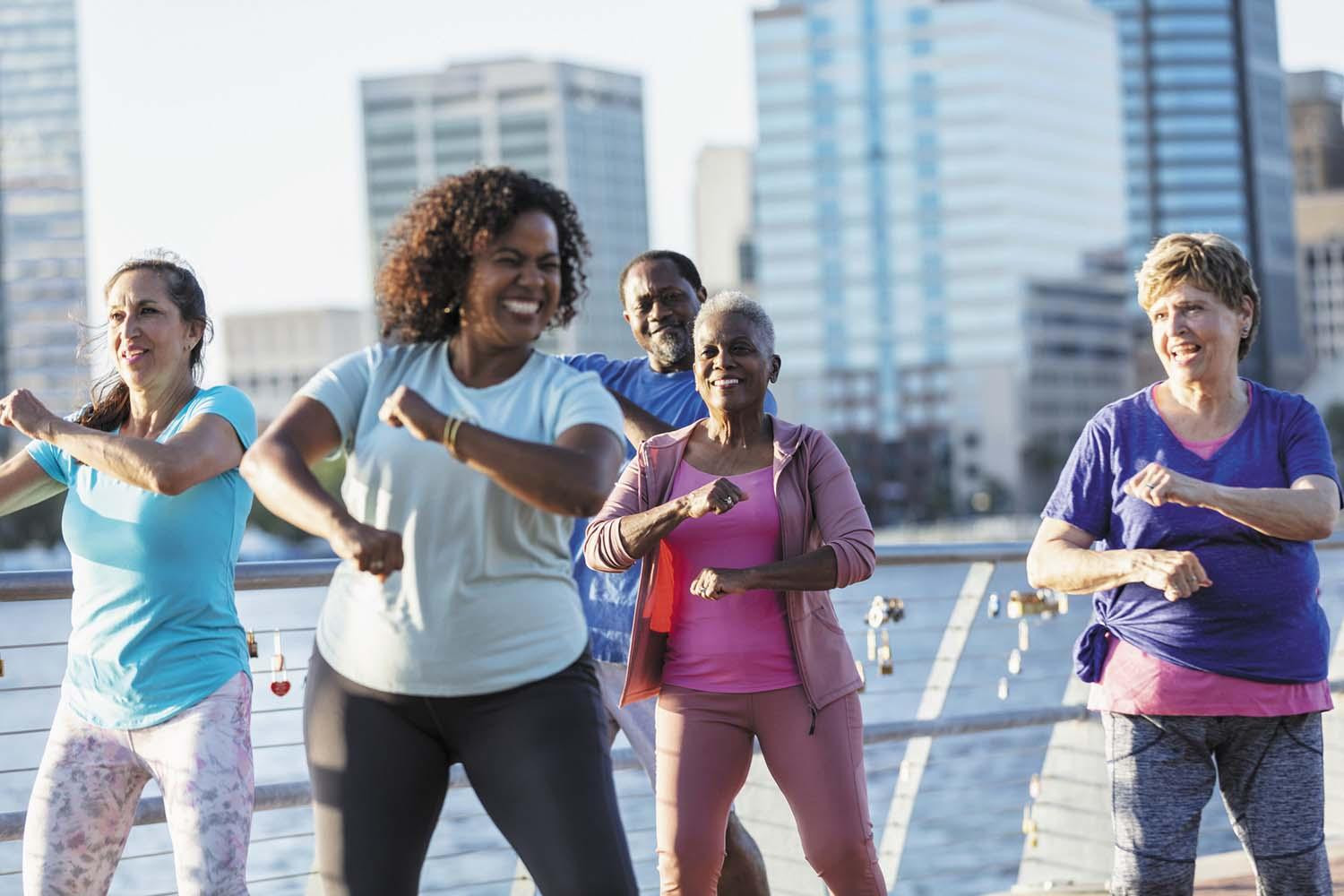
Twist, turn, tone
Dancing is a popular leisure activity. Evidence suggests dance boasts all the same benefits as other forms of consistent aerobic exercise: lowering blood pressure, building muscle and bone, increasing aerobic capacity, reducing anxiety, and improving depression symptoms. Dance can also counter loneliness and isolation and be easier to stick with than exercise that's more repetitive. People who want to try dance can frame it as a hobby instead of exercise, take a group class, and modify dance movements to accommodate pain or limited mobility.

Unlocking the secrets of super-agers
Super-agers are people who reach their 80s, 90s, or beyond with the memory capacity of someone at least three decades younger. As people get older, certain brain regions shrink, slowing brain functions. But super-agers retain more brain volume in areas linked to memory and movement, and their brains shrink more slowly over time. Women are more likely to be super-agers because they live, on average, longer than men. Genetics also appear to play a significant role in achieving super-ager status.
Hip bursitis vs. arthritis: How to tell the difference
Fitness for longevity: Which type matters most?
Ministrokes linked to elevated risk of dementia
Continuous glucose monitors benefit people who don't need insulin
CoQ10: Should you take this popular supplement if you're on a statin?
Microplastics: A hidden health threat?
Oat vs. dairy milk: Nutrition, benefits, and downsides
What is tempeh? Benefits, nutrition, and how to use it
Healing after food poisoning
Whole grains may improve several heart risk factors at once
Free Healthbeat Signup
Get the latest in health news delivered to your inbox!
Sign Up
