

Hip bursitis vs. arthritis: How to tell the difference

Fitness for longevity: Which type matters most?

Ministrokes linked to elevated risk of dementia

Continuous glucose monitors benefit people who don't need insulin

CoQ10: Should you take this popular supplement if you're on a statin?

Microplastics: A hidden health threat?

Oat vs. dairy milk: Nutrition, benefits, and downsides

What is tempeh? Benefits, nutrition, and how to use it

Healing after food poisoning

Whole grains may improve several heart risk factors at once
Headache and migraine Archive
Articles
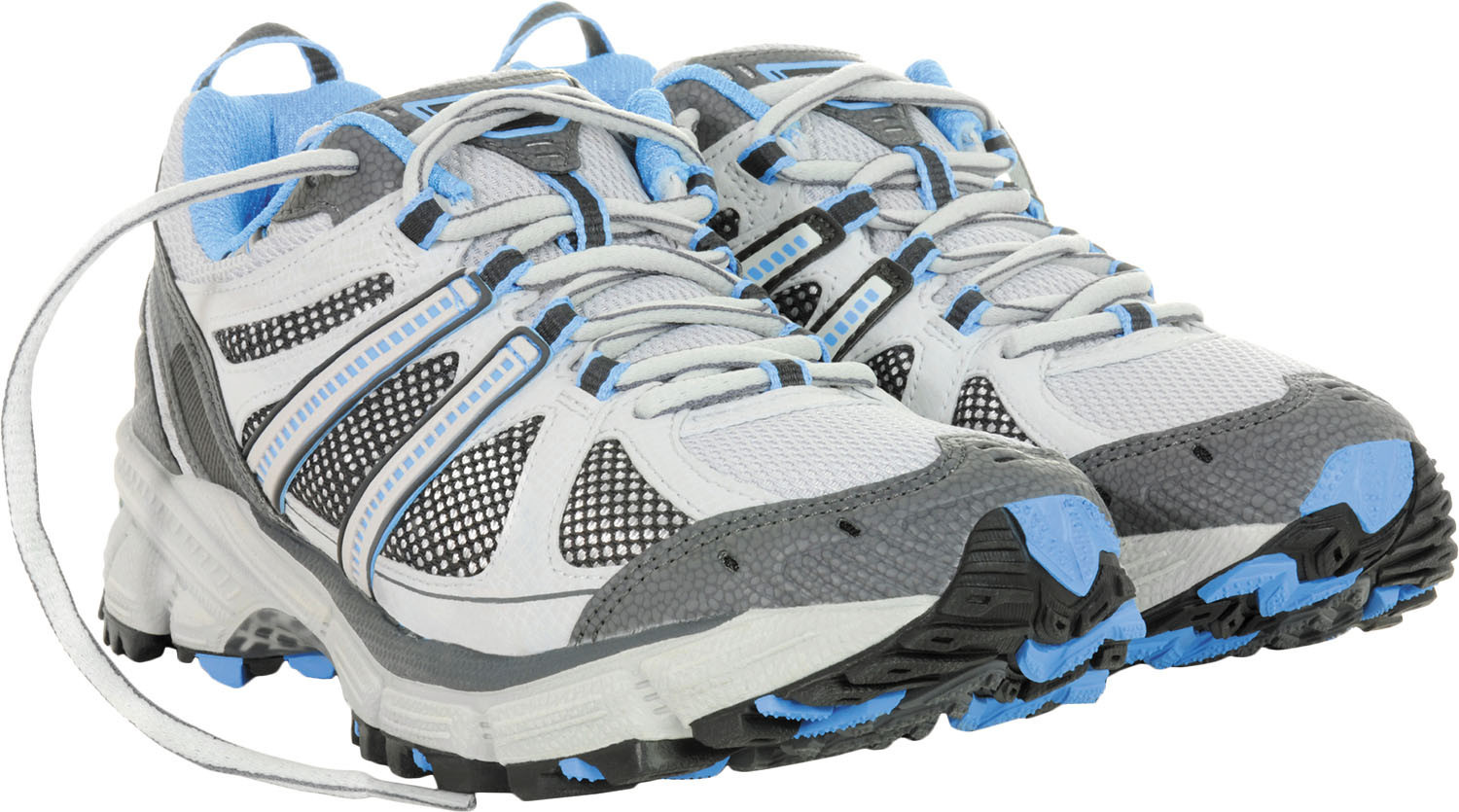
Study finds these shoes are better at keeping knee pain in check
News briefs
When you have knee pain, you just want it to go away so you can walk without having to limp or wince with every step. And a small, randomized trial published online Jan. 12, 2021, by Annals of Internal Medicine found that one type of shoe might be best for the job. Researchers took 164 people ages 50 or older with moderate or severe knee arthritis and randomly assigned half of the group to wear stable, supportive shoes with thick soles that didn't bend much. The other half was assigned flat shoes with thin, flexible soles, which are believed by some to provide a benefit by allowing more natural movement of the leg and foot. Both groups wore their assigned shoes for six hours per day and took part in activities such as walking during that time. After six months, 58% of people in the stable, supportive shoe group reported a reduction in knee pain while walking, compared with 40% of people reporting pain reduction after wearing the flat, flexible shoes. In both groups, the pain reduction probably was a benefit of regular walking. The people wearing flexible shoes were also twice as likely to develop ankle or foot pain, compared with those wearing sturdy shoes. So if you have knee pain, keep walking — in sturdy shoes.
Image: © chictype/Getty Images

The 3 main options for physical rehabilitation
Inpatient, outpatient, and at-home rehab all aim to restore your function and independence.
Have shoulder pain? Recovering from traumatic illness, surgery, or a bad fall? Your doctor may well recommend physical rehabilitation or physical therapy to get you back to your daily routine and the activities you love. There are several options available, depending on your needs.
1. Inpatient rehab
Inpatient rehab is prescribed after a hospital stay, when you're not well enough to go home. It offers comprehensive care from doctors, nurses, therapists, and other health professionals. There are two types of this rehab.

Are antidepressants also pain relievers?
Antidepressant medications are frequently prescribed for chronic pain, particularly neck or low back pain and certain types of arthritis — though other treatments are usually tried first. An analysis of past research considered how effective antidepressants are for these types of pain, but the results are not encouraging.

How is treatment for myasthenia gravis evolving?
Myasthenia gravis (MG) is a rare neuromuscular disease that impairs the transmission of nerve signals to muscles, causing temporary weakness of affected muscles. While treatment is complex, recently updated guidelines have added to the understanding of MG and are improving approaches to treatment.

Effective exercises for osteoporosis
The ideal workout program for osteoporosis combines weight-bearing, muscle-strengthening, flexibility, and balance exercises.

Sleep, stress, or hormones? Brain fog during perimenopause

Take a mental break from pain
Mindfulness can help soothe short-term and chronic pain.
Your mind is a powerful pain remedy when given the chance. Science continues to show how mindfulness can manage pain — and it doesn't take years to master.
"Using mindfulness is a way for older adults to treat ongoing chronic pain and the occasional flare-up without having to always rely on medication," says Ellen Slawsby, director of pain services at Harvard-affiliated Benson-Henry Institute for Mind Body Medicine.

What is COVID-19 brain fog — and how can you clear it?
We’ve all experienced the feeling of sluggish, fuzzy thinking and a lack of sharpness, possibly caused by an illness or a medication. But what if that feeling didn’t go away and your thinking didn’t return to normal? That’s the situation for some people who have recovered from COVID-19, and there can be long-term effects on other organs as well.

The hidden long-term cognitive effects of COVID-19
it is becoming increasingly clear that COVID-19 affects the nervous system along with the respiratory system. Research is suggesting that this may result in long-term neurologic damage in those who survive a COVID infection, including evidence of effects on cognitive function.

Steroid injection may be the best medicine for frozen shoulder
Research we're watching
There are a number of different approaches to treating a condition called adhesive capsulitis, better known as frozen shoulder. This common condition causes significant shoulder pain and reduced mobility. While it generally goes away on its own over time, it can take up to a year or longer to heal. But there hasn't been consensus on whether any particular therapy leads to more rapid pain relief and full range of motion.
A study published online Dec. 16, 2020, by JAMA Network Open looked at various treatment options for frozen shoulder to determine which was the most effective. Researchers analyzed 65 different studies with more than 4,000 total participants and found that the first line of therapy should be to inject a steroid directly into the joint to reduce inflammation. This treatment helped to reduce pain and led to the fastest recovery. The study authors said the steroid injection should be accompanied by a home exercise program that includes stretches and exercises to improve range of movement in the shoulder.
Hip bursitis vs. arthritis: How to tell the difference
Fitness for longevity: Which type matters most?
Ministrokes linked to elevated risk of dementia
Continuous glucose monitors benefit people who don't need insulin
CoQ10: Should you take this popular supplement if you're on a statin?
Microplastics: A hidden health threat?
Oat vs. dairy milk: Nutrition, benefits, and downsides
What is tempeh? Benefits, nutrition, and how to use it
Healing after food poisoning
Whole grains may improve several heart risk factors at once
Free Healthbeat Signup
Get the latest in health news delivered to your inbox!
Sign Up
