

Hip bursitis vs. arthritis: How to tell the difference

Fitness for longevity: Which type matters most?

Ministrokes linked to elevated risk of dementia

Continuous glucose monitors benefit people who don't need insulin

CoQ10: Should you take this popular supplement if you're on a statin?

Microplastics: A hidden health threat?

Oat vs. dairy milk: Nutrition, benefits, and downsides

What is tempeh? Benefits, nutrition, and how to use it

Healing after food poisoning

Whole grains may improve several heart risk factors at once
Health screenings and checkups Archive
Articles
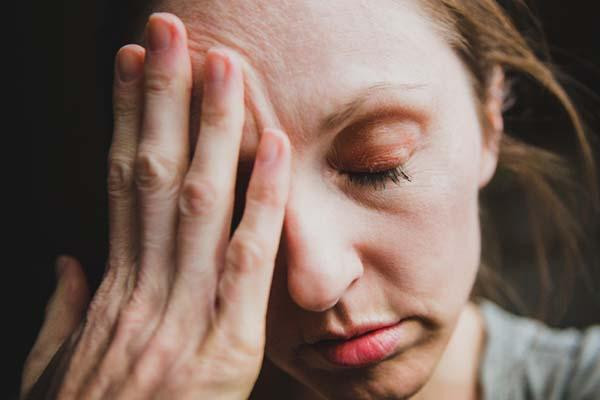
The 7 types of rest and why we need them all
People may believe that rest and sleep are synonymous, but sleep is only one form of rest. People need seven different types of rest to feel recharged. These are physical, mental, spiritual, sensory, creative, emotional, and social rest.
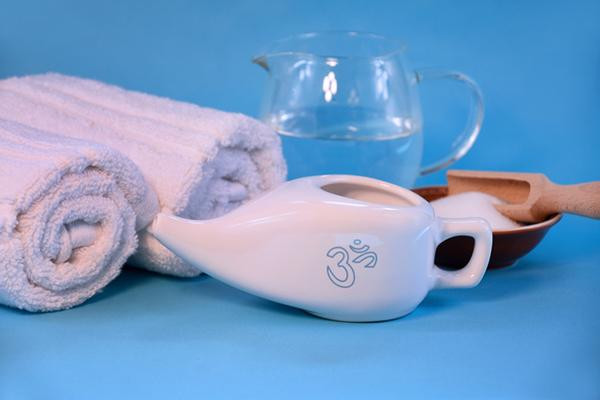
Can nasal irrigation help with winter colds and congestion?
Daily nasal irrigation (also called nasal rinses) may reduce symptom severity and the duration of a cold. It can also relieve the congestion caused by sinus infections and allergies. It is unclear whether it can prevent colds. By means of a squeeze bottle, neti pot, or battery-powered system, saline (salt water) is inserted into one nostril and flows out the other. It's important to always use sterile water, meaning distilled or cooled boiled water. The rinse helps wash away mucus and some inflammatory chemicals, reducing the swelling that's responsible for congestion.
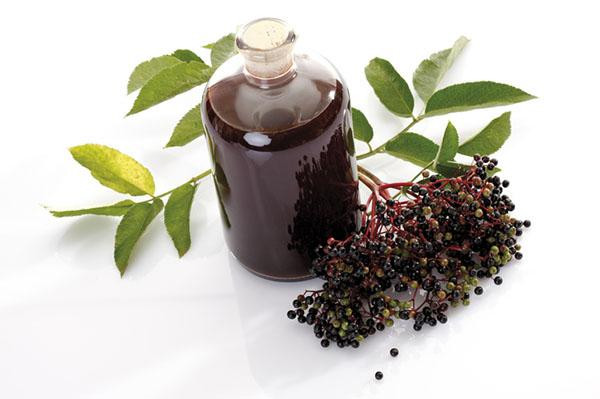
What are the health benefits of elderberry?
Elderberry syrup or tea may help reduce the duration and severity of cold and flu symptoms. But the evidence for these benefits is uncertain, since the studies are small and most did not compare elderberry to standard treatments. Claims that elderberry products can prevent viral infections or boost immunity are unproven. Elderberry supplements appear to be relatively safe; in clinical trials, effects such as nausea, vomiting, or diarrhea were mild and rare.
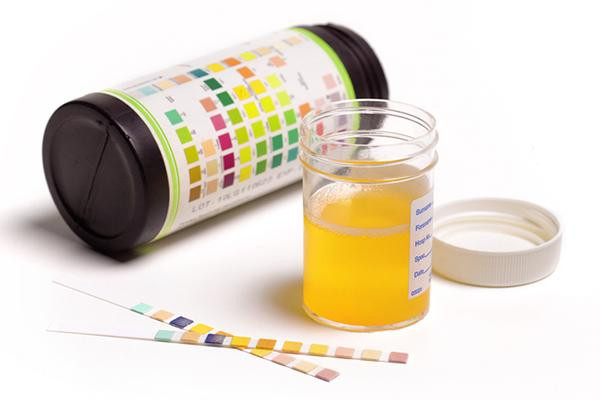
Urine and your health
A urine test, also known as a urinalysis, can reveal a great deal about a person's health. The kidneys produce urine to remove excess fluid and waste products from the body. But urine also contains various chemicals, minerals, toxins, bacteria, and red and white blood cells. Analyzing a urine sample with visual, chemical, and microscopic exams can reveal the presence and amounts of these substances, which can provide clues to specific conditions.

Pap smears or self-swabs?
Pap tests, the mainstay screening method to detect cervical cancer, are uncomfortable for some women. In mid-2024, the FDA approved a new self-swab test that can detect human papillomavirus, which causes most cases of cervical cancer. The self-swab test collects cells from the vaginal wall instead of the cervix. Clinicians guide women on how to perform the test in a doctor's office. The self-swab method offers women several benefits, including comfort, accuracy, and potentially greater access to screening.

Beyond the milestone: Health goals for your 50s onward
Setting health goals can help people in their 50s avoid developing a chronic condition that can hamper healthy aging. Goals can include improving balance through various exercises; learning a new skill to improve brain sharpness; seeking age-appropriate cancer screenings, such as for colorectal, cervical, and breast cancers; prioritizing bone health by boosting calcium and vitamin D intake and weight-bearing exercise; maintaining muscle strength through strength and resistance training; and paying closer attention to diet.

What kinds of cancer screenings should men get as they age?
Of the cancer screening tests for men, tests for colon cancer has the strongest evidence for benefit. Men who opt in for prostate cancer screening may have more options beyond PSA blood testing to more accurately identify aggressive cancers. Other screening tests such as full body scans have not been shown to improve outcomes.

What blood tests require fasting?
Very few blood tests require a period of fasting before the test. They include tests for blood glucose and triglycerides. It is permitted to drink water, coffee, or black tea before the tests.

Hip bursitis vs. arthritis: How to tell the difference
Fitness for longevity: Which type matters most?
Ministrokes linked to elevated risk of dementia
Continuous glucose monitors benefit people who don't need insulin
CoQ10: Should you take this popular supplement if you're on a statin?
Microplastics: A hidden health threat?
Oat vs. dairy milk: Nutrition, benefits, and downsides
What is tempeh? Benefits, nutrition, and how to use it
Healing after food poisoning
Whole grains may improve several heart risk factors at once
Free Healthbeat Signup
Get the latest in health news delivered to your inbox!
Sign Up
