

Hip bursitis vs. arthritis: How to tell the difference

Fitness for longevity: Which type matters most?

Ministrokes linked to elevated risk of dementia

Continuous glucose monitors benefit people who don't need insulin

CoQ10: Should you take this popular supplement if you're on a statin?

Microplastics: A hidden health threat?

Oat vs. dairy milk: Nutrition, benefits, and downsides

What is tempeh? Benefits, nutrition, and how to use it

Healing after food poisoning

Whole grains may improve several heart risk factors at once
Healthy Eating Archive
Articles

Food that's healthier for people and planet can be cheaper, too
While many people may think that a more sustainable diet is more expensive, a 2025 study suggests that in fact, foods with smaller environmental footprints tend to cost less. Choosing fewer animal-based foods and more plants can be better for health, budgets, and the planet.

8 simple ways to reduce ultra-processed foods in your diet
Cutting back on ultra-processed foods that have little nutritional value can help protect your health, but you don't have to make everything from scratch either. Seek out less-processed versions of your favorite foods at your supermarket to turn into healthy meals with minimal effort.

GERD diet: Foods to avoid to reduce acid reflux
Dietary changes can make a big difference for people with gastroesophageal reflux disease (GERD). Foods to limit or avoid include chocolate, onions, and tomato sauce. Adjusting eating habits-by eating smaller portions, for example-might also help people avoid heartburn and other symptoms.

How to curb your stress eating
Stress eating involves using food as a coping mechanism when life is difficult. Persistently high levels of cortisol can increase appetite, and past experiences can lead people to associate eating with stressful situations. The foods people crave may depend on their form of turmoil.

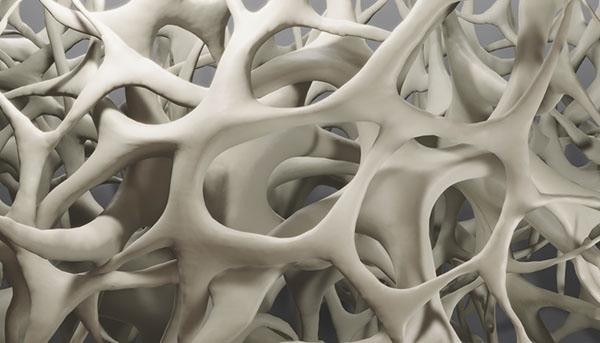
Everyday habits that sneakily weaken your bones
A variety of everyday habits can stealthily reduce bone health. These include consuming too little calcium, excessive caffeine or soda, inadequate protein, and large amounts of alcohol, as well as smoking, being sedentary, dieting frequently, or taking certain medications.
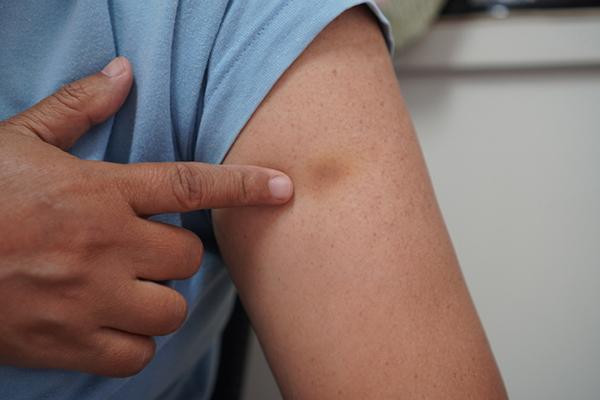
Why do I bruise so easily?
As we get older, noticeable bruises are usually related to thinning skin and increasing fragility of the tiny blood vessels in the outer layer of skin. There is not much people can do about this, but they should see their doctors if bruising is excessive or becomes painful.
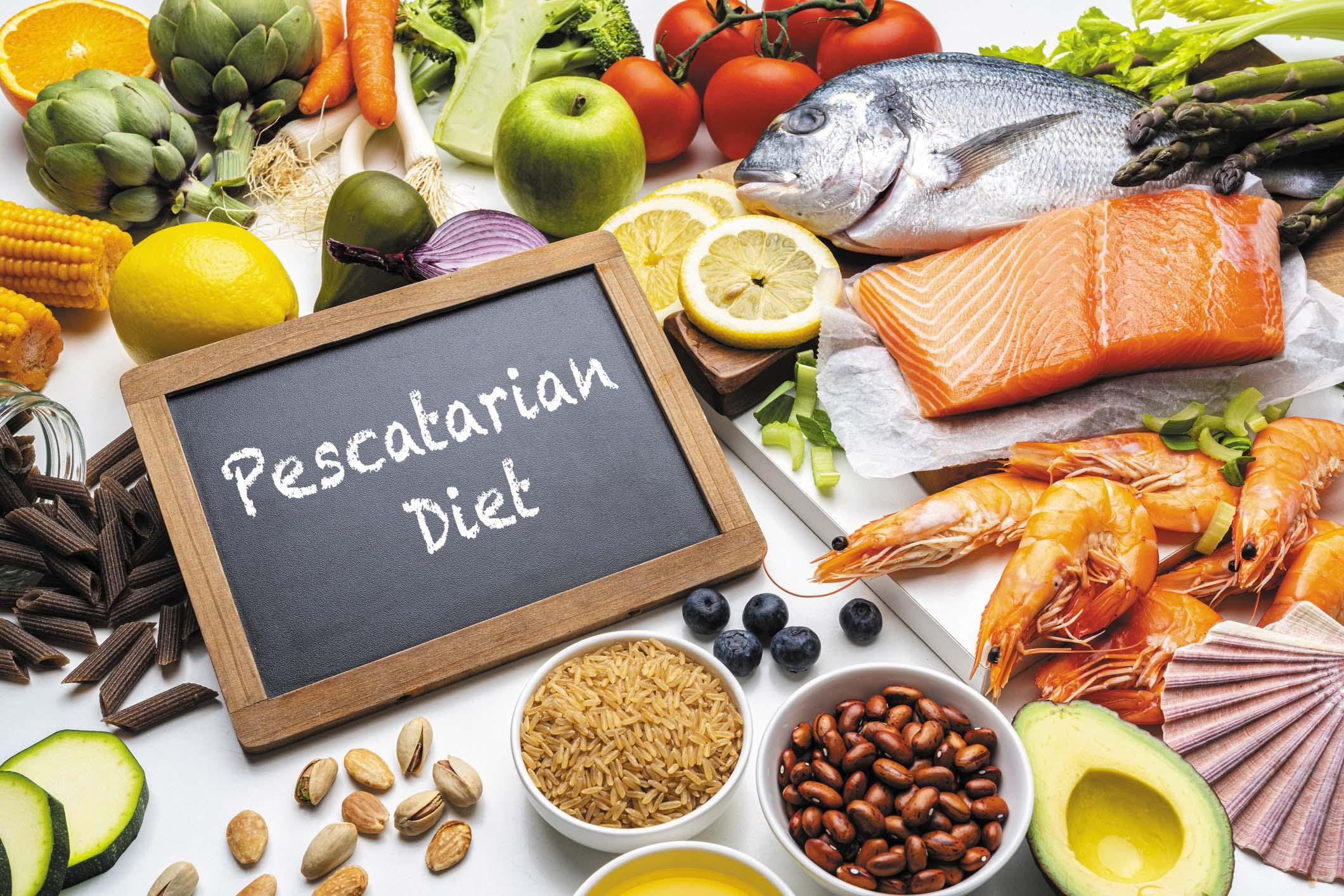
Go fish for a healthy heart
A pescatarian diet pairs plant-based eating with fish and shellfish, offering key nutrients and heart- and brain-protective omega-3s. Choosing smaller, sustainably caught seafood helps limit environmental impact and mercury exposure.
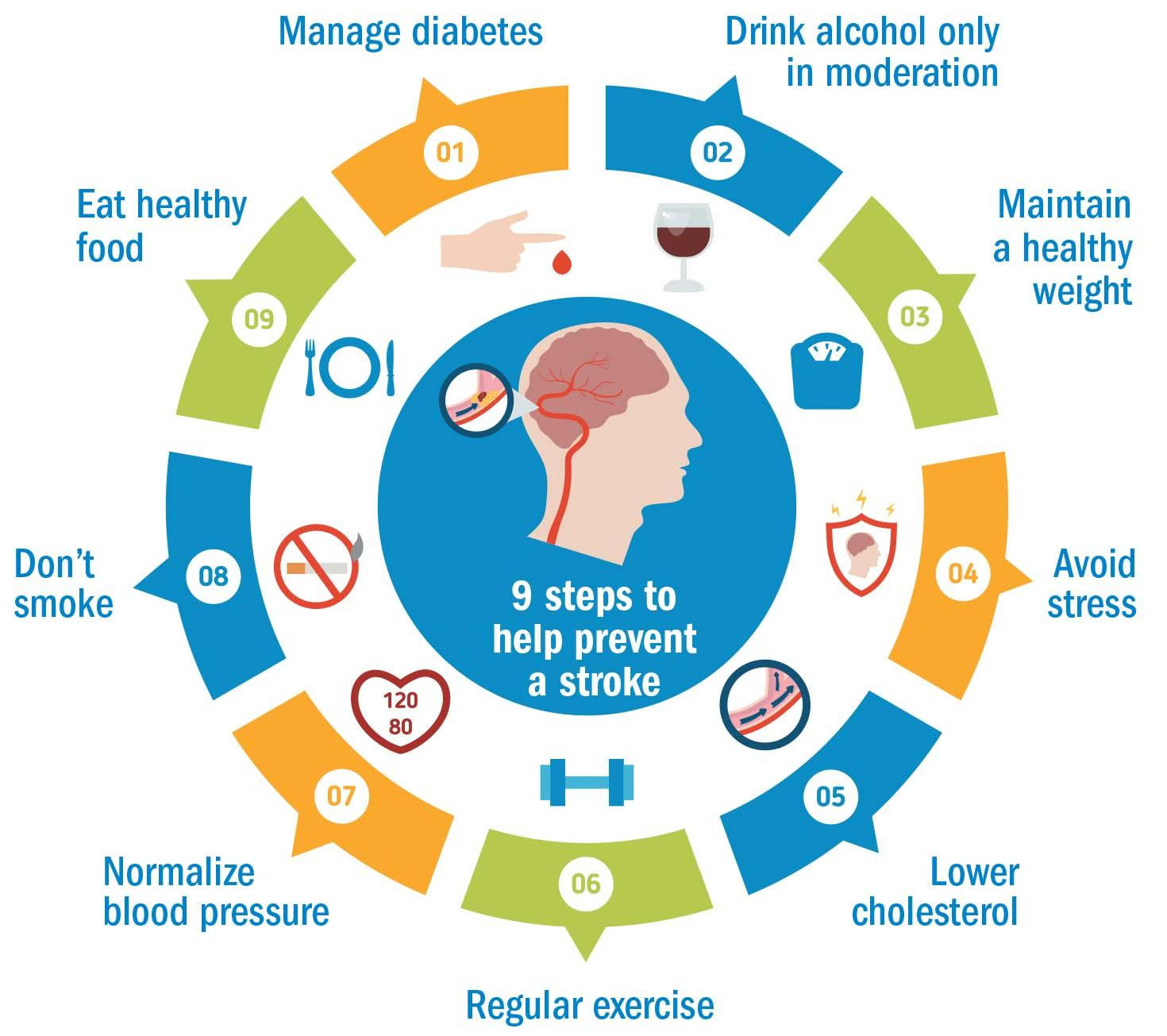
Reducing your stroke risk after a ministroke
A transient ischemic attack (TIA), or ministroke, is a serious warning sign for future stroke, especially in the first 48 hours. Medications plus lifestyle changes-healthy eating, regular exercise, and blood pressure control-can significantly lower that risk.
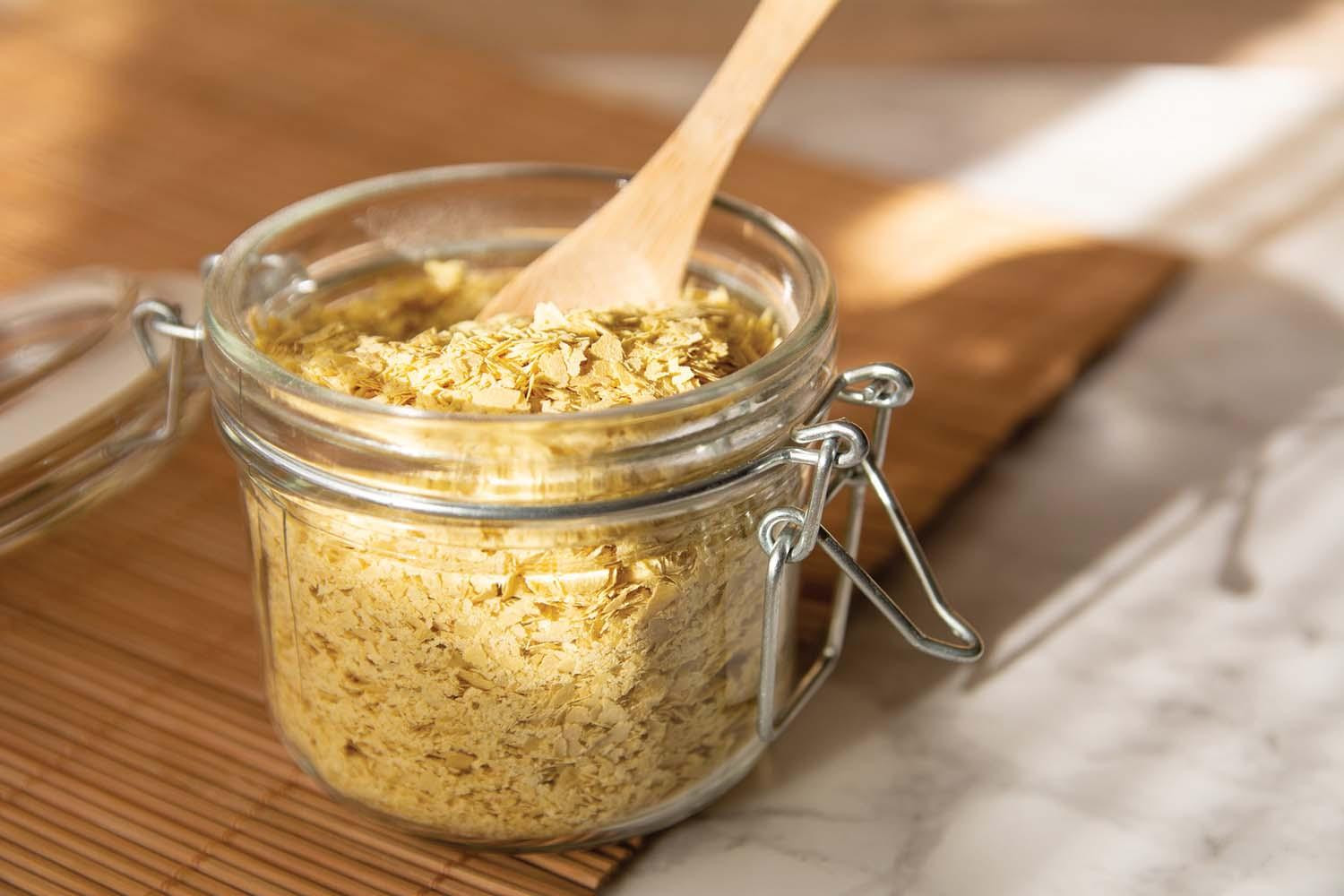
Caution: Sprinkle this savory seasoning with care
Nutritional yeast is a savory condiment that's often heavily fortified with vitamins. Because high doses may cause side effects, interact with some medications, or cause certain health problems, it's best used sparingly as a flavoring, not as a supplement.
Hip bursitis vs. arthritis: How to tell the difference
Fitness for longevity: Which type matters most?
Ministrokes linked to elevated risk of dementia
Continuous glucose monitors benefit people who don't need insulin
CoQ10: Should you take this popular supplement if you're on a statin?
Microplastics: A hidden health threat?
Oat vs. dairy milk: Nutrition, benefits, and downsides
What is tempeh? Benefits, nutrition, and how to use it
Healing after food poisoning
Whole grains may improve several heart risk factors at once
Free Healthbeat Signup
Get the latest in health news delivered to your inbox!
Sign Up
