

Hip bursitis vs. arthritis: How to tell the difference

Fitness for longevity: Which type matters most?

Ministrokes linked to elevated risk of dementia

Continuous glucose monitors benefit people who don't need insulin

CoQ10: Should you take this popular supplement if you're on a statin?

Microplastics: A hidden health threat?

Oat vs. dairy milk: Nutrition, benefits, and downsides

What is tempeh? Benefits, nutrition, and how to use it

Healing after food poisoning

Whole grains may improve several heart risk factors at once
Healthy Eating Archive
Articles
DASH diet tied to lower colorectal cancer risk
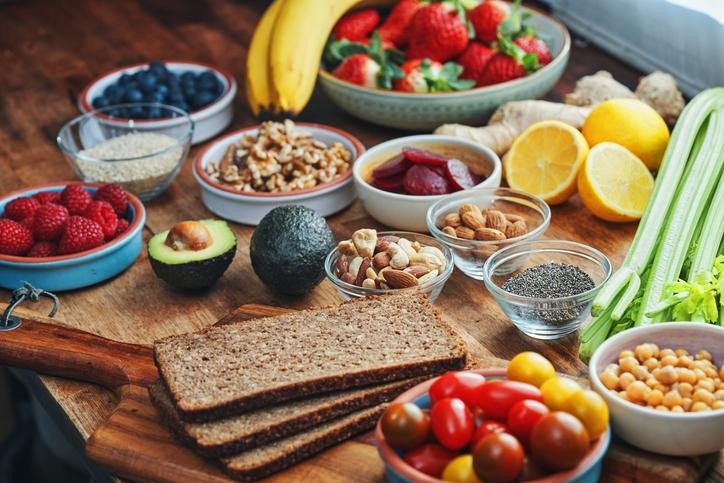
A 2025 research review found that adhering to the DASH diet-which emphasizes eating fruits, vegetables, lean protein, whole grains, nuts, and low-fat dairy products-is linked to a lower risk of developing colorectal cancer.

Do I need to rebalance my pH?
The body's pH level supports a variety of crucial functions. Certain health conditions can create a pH disturbance. People can support a healthy pH by eating a balanced diet featuring fruits, vegetables, whole grains, lean meat, and fish.
Aim for quantity and variety in fruit and vegetable intake
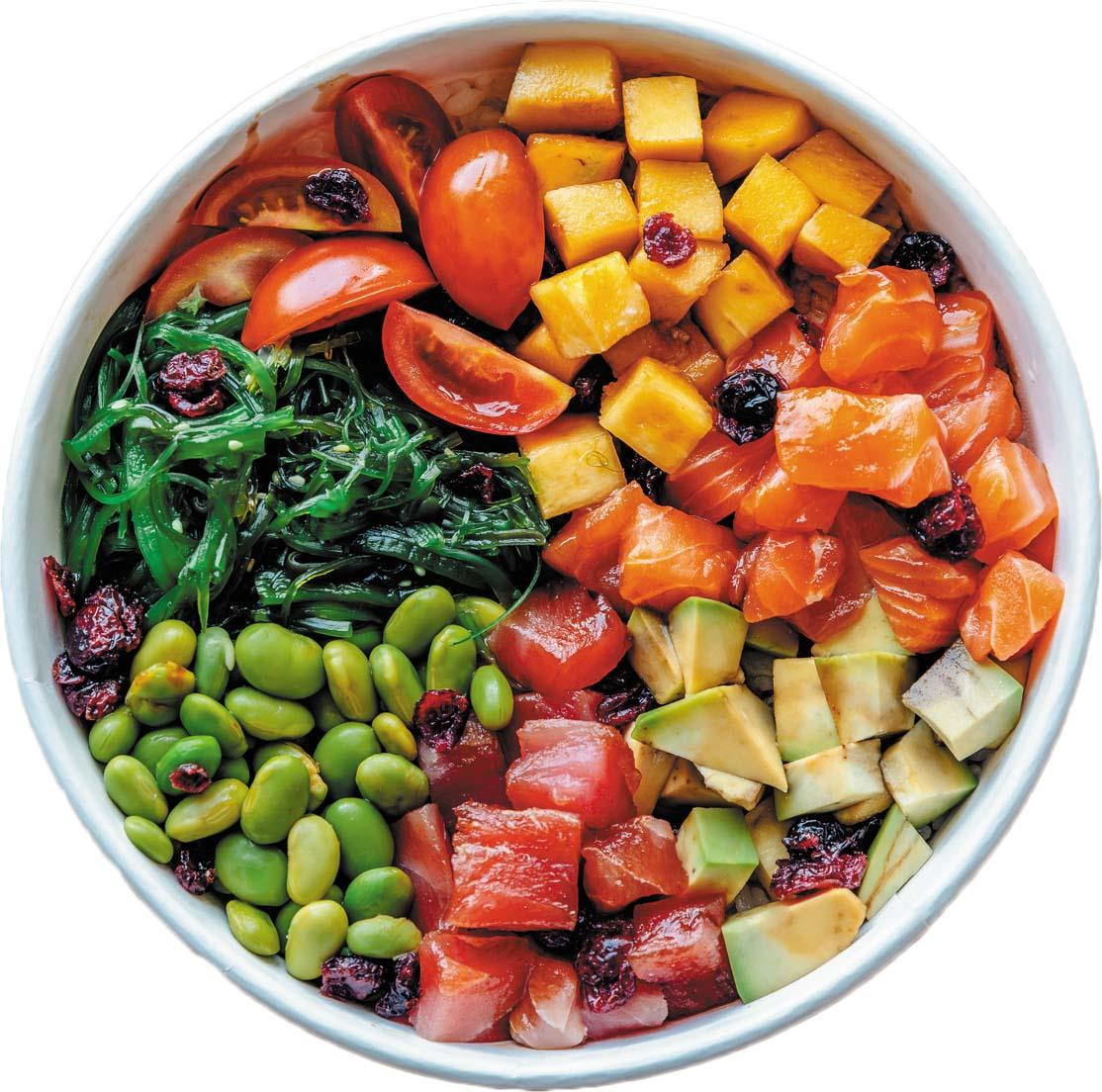
A 2025 study that involved 125,000 people (ages 40 to 69), who were followed for about a decade, found that both the quantity and variety of flavonoid intake were linked with significantly reduced risks of chronic disease and death from any cause.
A 5-step plan to eat more produce
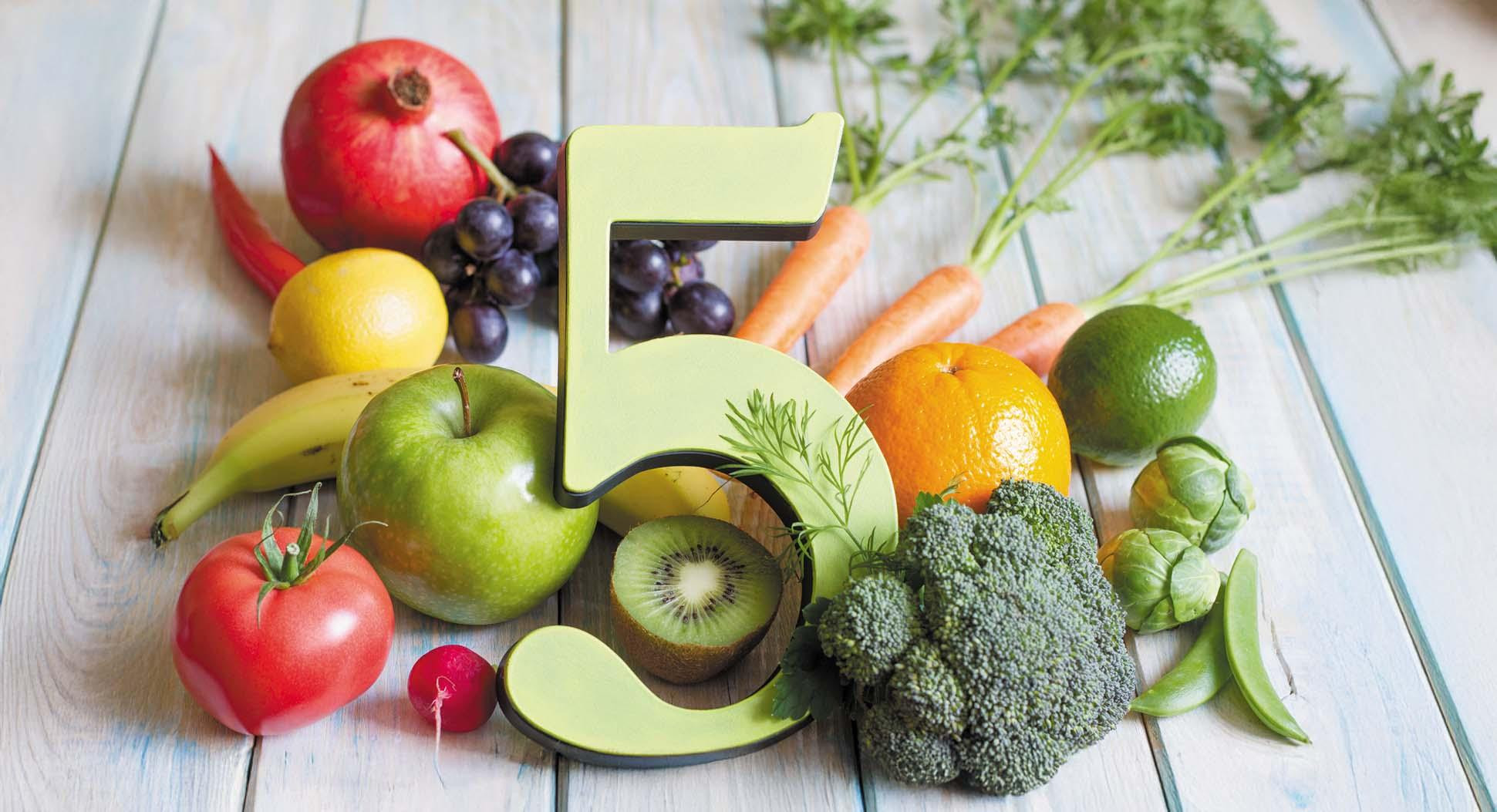
Few people get the recommended two fruits and three vegetables per day. Tips for helping people add more produce into their diets include starting small (making just one minor addition or substitution at a time and sticking with it for several weeks); choosing smarter snacks (like hummus and carrots or apples and peanut butter); sneaking pureed vegetables into pasta and other dishes; making smoothies and soups; and relying on frozen fruits and vegetables.

Raising potassium intake might lower high blood pressure
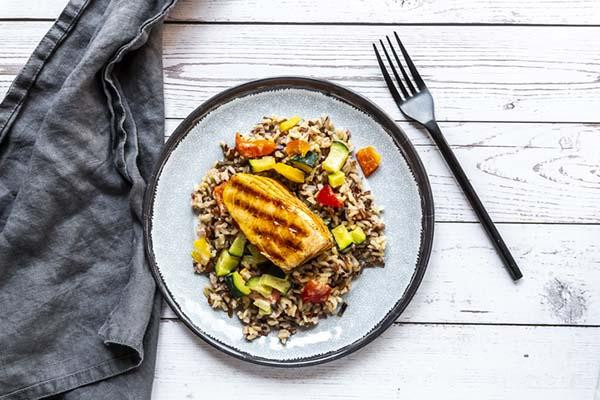
Increasing potassium levels while lowering sodium may be more effective in lowering high blood pressure than reducing dietary salt alone, particularly for men, according to a 2025 study.
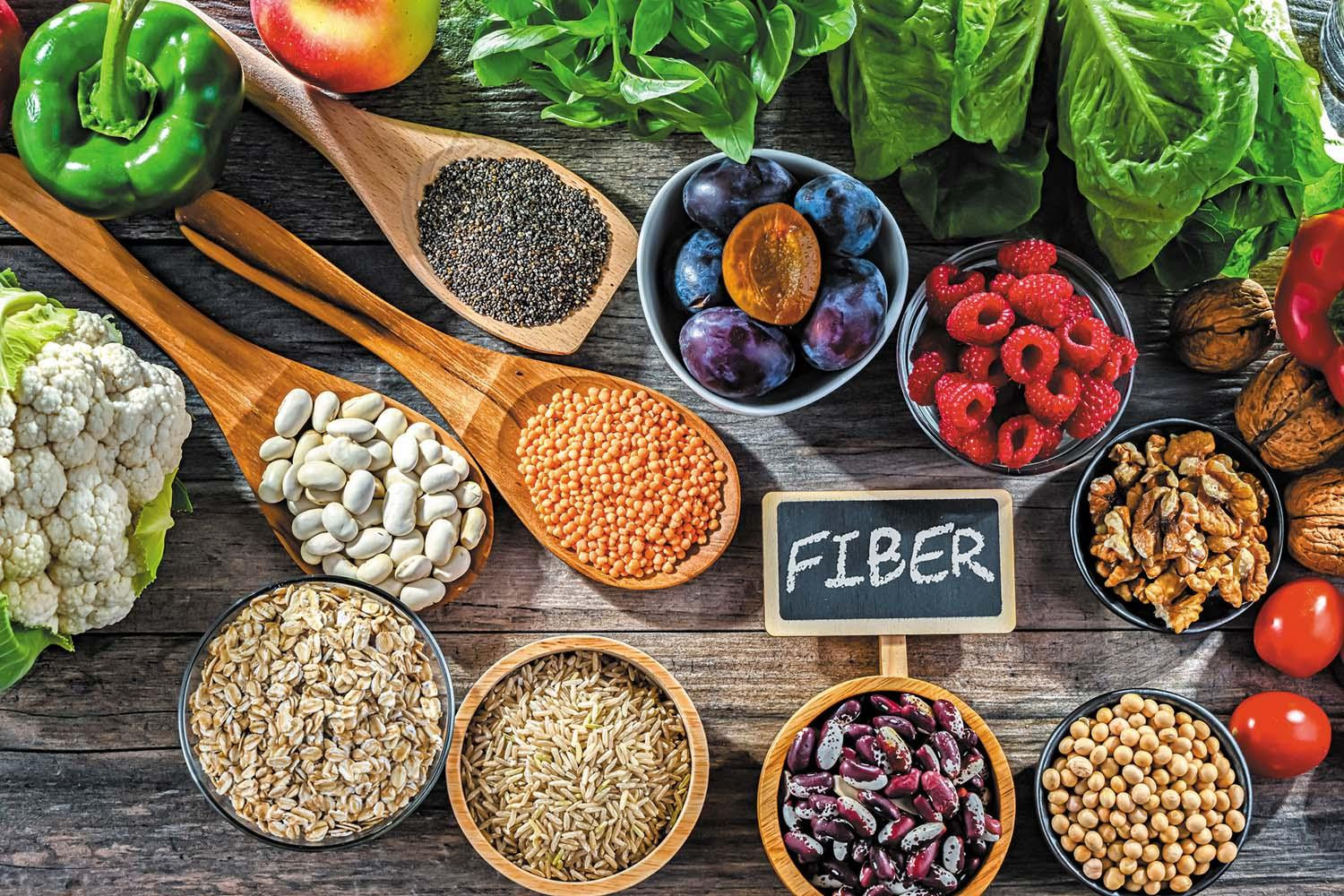
Fiber-rich diets may lower the risk of stroke
People whose average daily diets included at least 18 grams of fiber were less likely to have a stroke than those who ate less fiber, according a 2025 study.
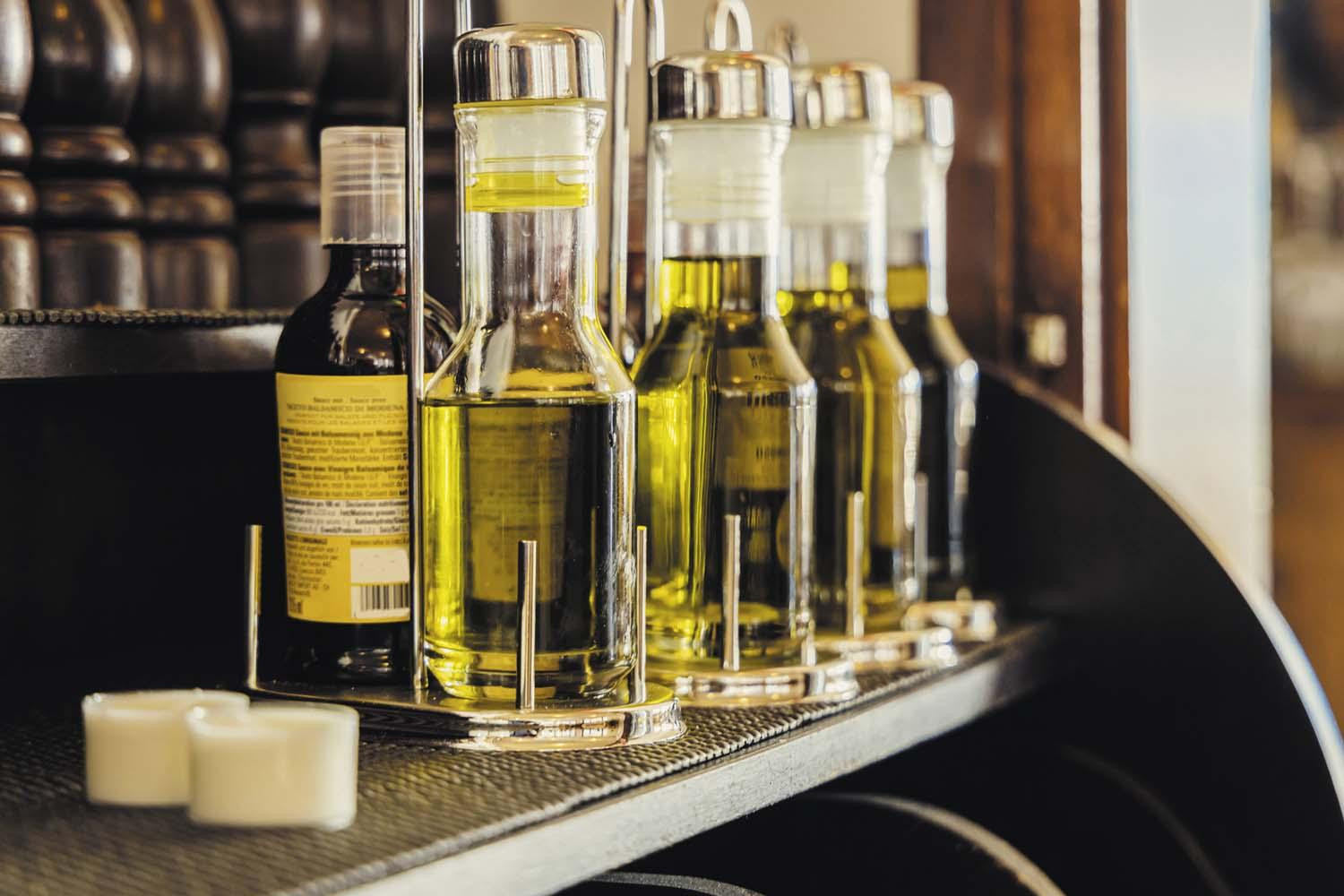
Replacing butter with plant oils may produce health benefits
A 2025 study found that replacing butter with plant-based oil such as corn, canola, soybean, or olive oil is associated with significantly lower risks of dying from cardiovascular disease or cancer.
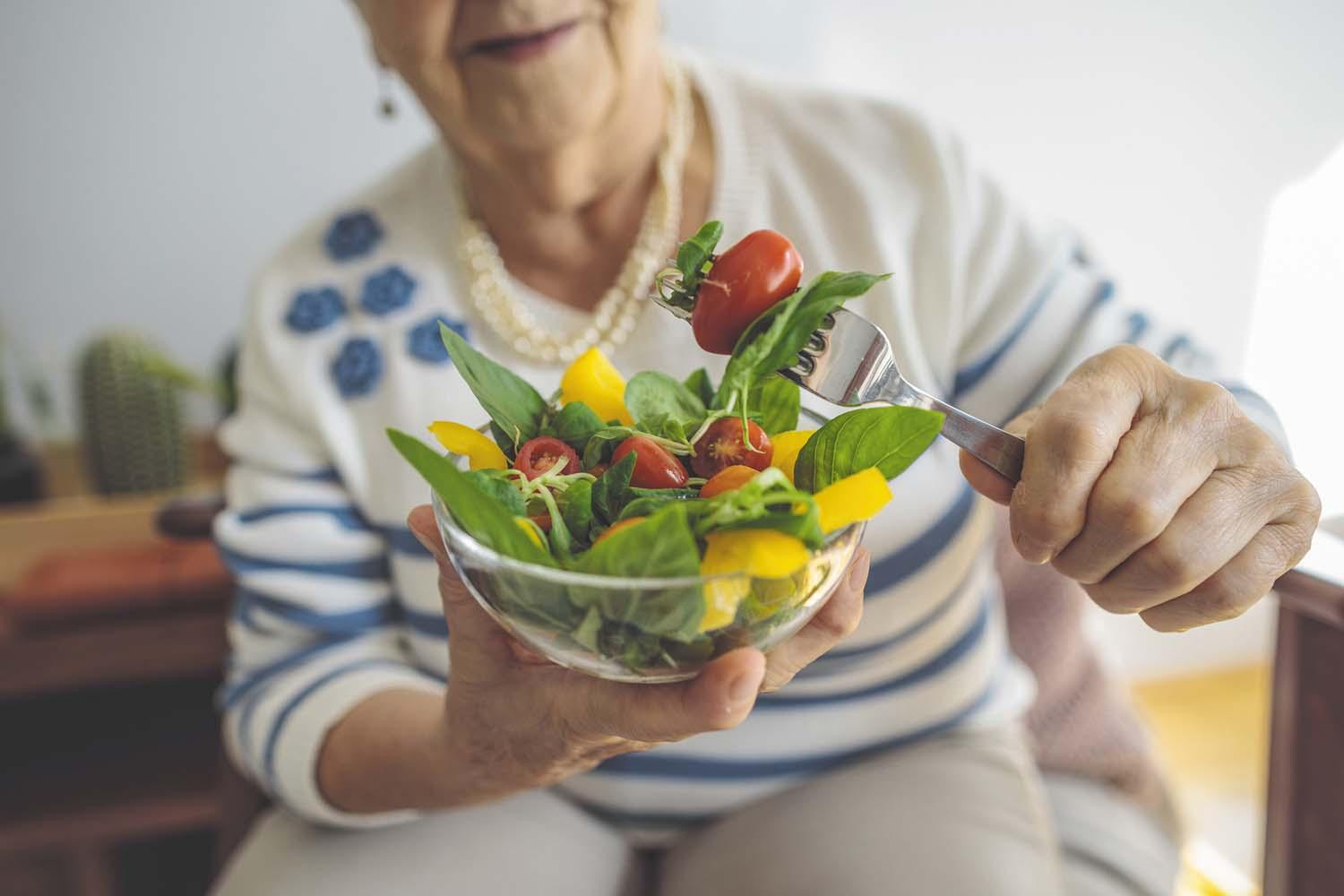
Eat a healthy diet and banish a big belly to protect your mind
In a 2025 study, people with the healthiest diets and trimmest bellies at midlife had better brain connections and skills decades later, compared with people who ate the worst diets and had the most belly fat.
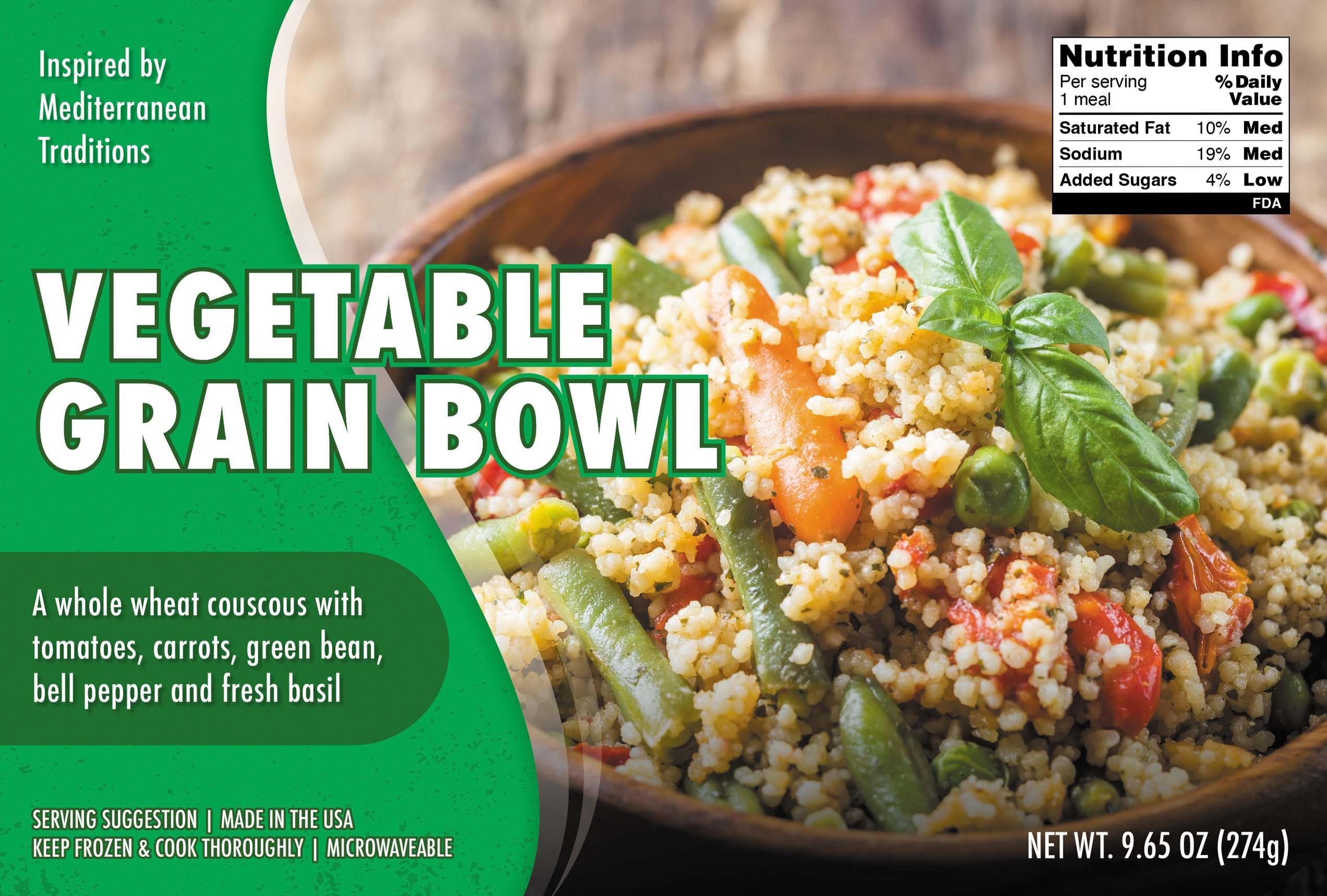
Food additives and heart health
Ultraprocessed packaged foods and drinks contain thickeners, preservatives, and other additives to improve their taste, texture, appearance, and shelf life. But the high amounts of salt, sugar, and fat in these products are probably more concerning for a person's health. Foods like sugary drinks and processed meats are the worst culprits. Eating a diet focused on whole, plant-based foods automatically lowers processed food intake and provides heart-protecting nutrients such as fiber, vitamins, and minerals.
Hip bursitis vs. arthritis: How to tell the difference
Fitness for longevity: Which type matters most?
Ministrokes linked to elevated risk of dementia
Continuous glucose monitors benefit people who don't need insulin
CoQ10: Should you take this popular supplement if you're on a statin?
Microplastics: A hidden health threat?
Oat vs. dairy milk: Nutrition, benefits, and downsides
What is tempeh? Benefits, nutrition, and how to use it
Healing after food poisoning
Whole grains may improve several heart risk factors at once
Free Healthbeat Signup
Get the latest in health news delivered to your inbox!
Sign Up
