

Hip bursitis vs. arthritis: How to tell the difference

Fitness for longevity: Which type matters most?

Ministrokes linked to elevated risk of dementia

Continuous glucose monitors benefit people who don't need insulin

CoQ10: Should you take this popular supplement if you're on a statin?

Microplastics: A hidden health threat?

Oat vs. dairy milk: Nutrition, benefits, and downsides

What is tempeh? Benefits, nutrition, and how to use it

Healing after food poisoning

Whole grains may improve several heart risk factors at once
Heart Attack Archive
Articles
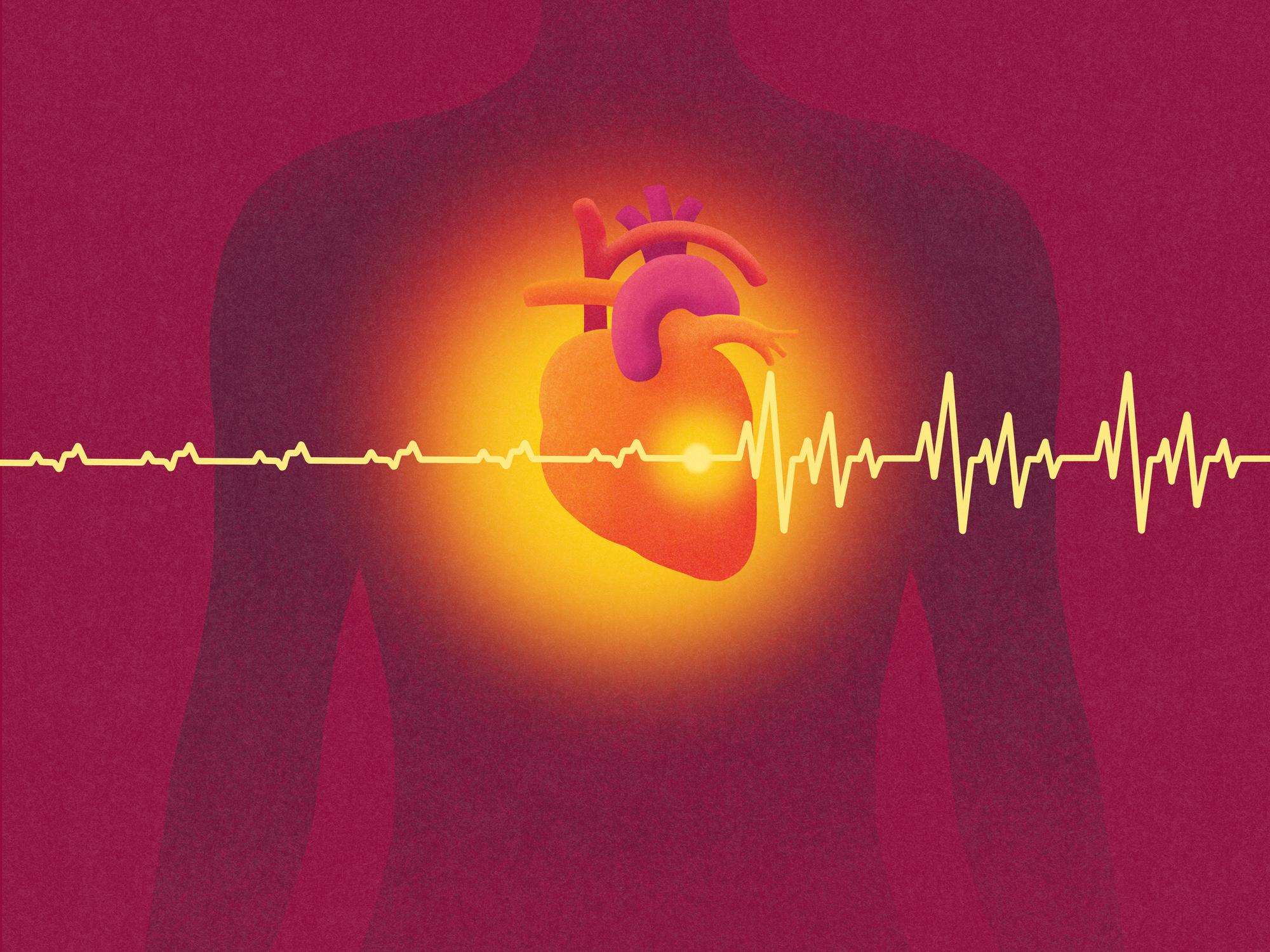
Test your knowledge on atrial fibrillation (A-fib)
Atrial fibrillation affects millions of Americans, but how much do you know about this common heart condition? Take our 10-question quiz and learn something new with every answer.
Preventing and treating low sodium levels
Treating low blood sodium (hyponatremia) may include cutting back on fluids, but not necessarily consuming more salt. Other possible treatments include medication adjustments and—in severe cases—receiving an intravenous saline solution.

Morning routines that lower blood pressure
Mornings can be a good time to establish routines to help lower blood pressure throughout the day. These include eating a healthy breakfast, limiting dietary salt, and getting regular exercise.

Reading the current blood pressure guidelines
To protect against heart attack, stroke, and cognitive decline, people should aim for a blood pressure reading below 130/80, according to the current blood pressure guidelines.

Light exposure at night may raise risk for heart disease
Sleeping in a dark room may do more than improve sleep; it may also benefit heart health. A 2026 study linked nighttime light exposure with harmful changes in heart structure and higher risks of heart failure, atrial fibrillation, heart attack, stroke, and death from heart disease.

Monitoring blood pressure at home? Make sure you follow these steps
Your doctor may ask you to track your blood pressure at home to help decide if you need to start taking medication or to track your response to treatment. Here's how to get accurate readings.

Why your gums are so important to your health
Periodontal disease, the leading cause of adult tooth loss, may increase the risk of diabetes, heart disease, and dementia.

People who walk more or walk faster live longer, study finds
A 2026 study found that taking more daily steps (even at a slow pace) or walking faster (even without adding steps) was associated with a lower chance of dying early.

Top questions about heart valve replacement
Replacement heart valves, which are mechanical (made of metal or carbon) or tissue (made from heart tissue from a cow or pig), are inserted during either open-heart surgery or a minimally invasive procedure. The best option for each person depends on age and other factors.

Can you treat inflammation to lower heart risk?
While a large study found that a drug to lower inflammation failed to prevent heart attacks and related risk, inflammation is still important in the development of coronary artery disease.
Hip bursitis vs. arthritis: How to tell the difference
Fitness for longevity: Which type matters most?
Ministrokes linked to elevated risk of dementia
Continuous glucose monitors benefit people who don't need insulin
CoQ10: Should you take this popular supplement if you're on a statin?
Microplastics: A hidden health threat?
Oat vs. dairy milk: Nutrition, benefits, and downsides
What is tempeh? Benefits, nutrition, and how to use it
Healing after food poisoning
Whole grains may improve several heart risk factors at once
Free Healthbeat Signup
Get the latest in health news delivered to your inbox!
Sign Up
