

Hip bursitis vs. arthritis: How to tell the difference

Fitness for longevity: Which type matters most?

Ministrokes linked to elevated risk of dementia

Continuous glucose monitors benefit people who don't need insulin

CoQ10: Should you take this popular supplement if you're on a statin?

Microplastics: A hidden health threat?

Oat vs. dairy milk: Nutrition, benefits, and downsides

What is tempeh? Benefits, nutrition, and how to use it

Healing after food poisoning

Whole grains may improve several heart risk factors at once
Heart Attack Archive
Articles
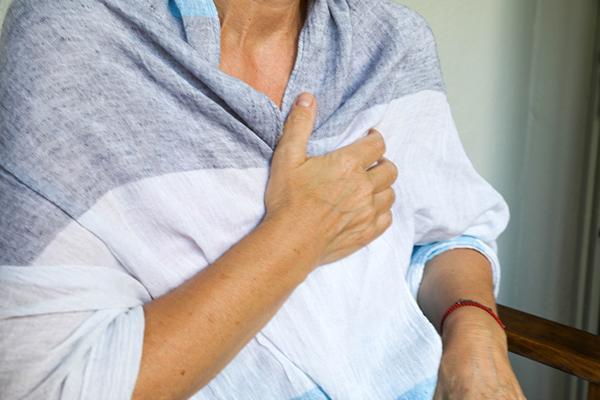
Do I need to worry about a slow resting heart rate?
A slower pulse can be healthy or a warning sign, depending on symptoms, medications, and your thyroid status. Simple checks can help reveal which it is.
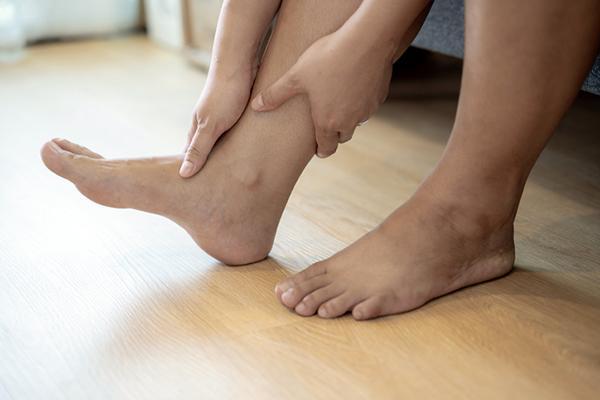
Why do my ankles swell in the summer?
Warm weather, vein valve issues, and fluid retention can all puff up your ankles. Learn what doctors look for and simple steps that may ease it.

Rethinking HDL cholesterol
The scientific understanding of HDL cholesterol has evolved in recent years, and many cardiologists now believe that HDL may be more of a bystander rather than a "good guy" that helps lower heart disease risk. While some types of HDL are great at plucking excess cholesterol from LDL and artery walls (a process referred to as reverse cholesterol transport) other types of HDL don't do this. In clinical trials, medications to raise HDL levels-including a drug specifically designed to improve reverse cholesterol transport-have not succeeded in lowering heart attacks and strokes.

Coping with chronic pain, depression, and high blood pressure
Chronic pain is linked to an increased risk of high blood pressure, which may be driven in part by depression, according to a 2026 study. Mind-body therapies and medications may help.

Heart problems and the heat: What to know and do
High temperatures raise risk for heat exhaustion and heat stroke, and also stress the cardiovascular system, making the heart work harder. If you have a heart condition, here's how to keep cool and protect yourself when temperatures rise.
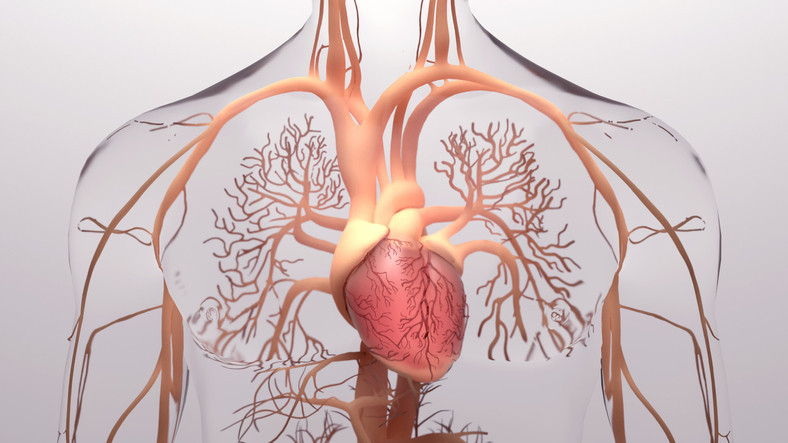
How good is your cardiometabolic health - and what is that, anyway?
An analysis shows less than 7% of adults in the US meet the criteria for optimal cardiometabolic health. Taking small steps to help control and improve key risk factors can reduce the odds of a heart attack or stroke.

Can weather affect blood pressure?
Seasons can affect blood pressure. But winter chills, holiday weight gain, and salty comfort foods can also push readings higher as warm weather gives way to cold.

What does it mean when an imaging report mentions a pelvic phlebolith?
Learn what pelvic phleboliths are and whether treatment is needed.
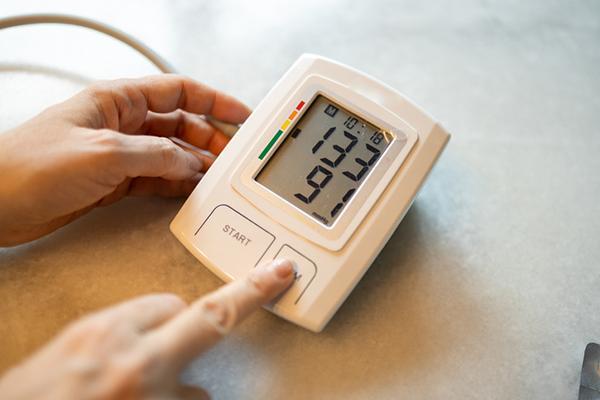
Which number in a blood pressure reading is more important?
Both systolic and diastolic readings matter. But large studies have shifted focus toward the top number. See what each reveals about heart risk.
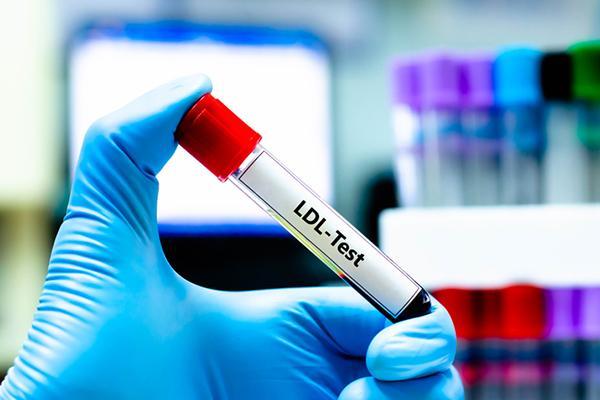
Could my LDL cholesterol level be too low?
An unusually low LDL result on a screening exam can be puzzling. Learn when small numbers reflect benefit and when they might signal a hidden problem.
Hip bursitis vs. arthritis: How to tell the difference
Fitness for longevity: Which type matters most?
Ministrokes linked to elevated risk of dementia
Continuous glucose monitors benefit people who don't need insulin
CoQ10: Should you take this popular supplement if you're on a statin?
Microplastics: A hidden health threat?
Oat vs. dairy milk: Nutrition, benefits, and downsides
What is tempeh? Benefits, nutrition, and how to use it
Healing after food poisoning
Whole grains may improve several heart risk factors at once
Free Healthbeat Signup
Get the latest in health news delivered to your inbox!
Sign Up
