

Hip bursitis vs. arthritis: How to tell the difference

Fitness for longevity: Which type matters most?

Ministrokes linked to elevated risk of dementia

Continuous glucose monitors benefit people who don't need insulin

CoQ10: Should you take this popular supplement if you're on a statin?

Microplastics: A hidden health threat?

Oat vs. dairy milk: Nutrition, benefits, and downsides

What is tempeh? Benefits, nutrition, and how to use it

Healing after food poisoning

Whole grains may improve several heart risk factors at once
Heart Disease Archive
Articles

Does your heart need a valve job?
Because medications cannot effectively treat aortic stenosis, a stiff, narrowed aortic valve needs to be replaced.
Your aortic valve is the gateway between your heart and body. With every heartbeat, it opens to allow blood to flow to your body, then snaps shut to keep blood from moving back into the heart.
As people age, calcium deposits may collect on the hard-working aortic valve, causing it to stiffen and narrow. Known as aortic stenosis, this condition also can result from a genetic abnormality (see "What is a bicuspid aortic valve?"). But most cases are in older people, often — but not always — those with high blood pressure, high cholesterol, and other risk factors linked to heart disease. In the United States, about three to four of every 100 people ages 75 and older have severe aortic stenosis.

Fruits and vegetables for heart health: More is better
Research we're watching
Image: © tvirbickis/Thinkstock
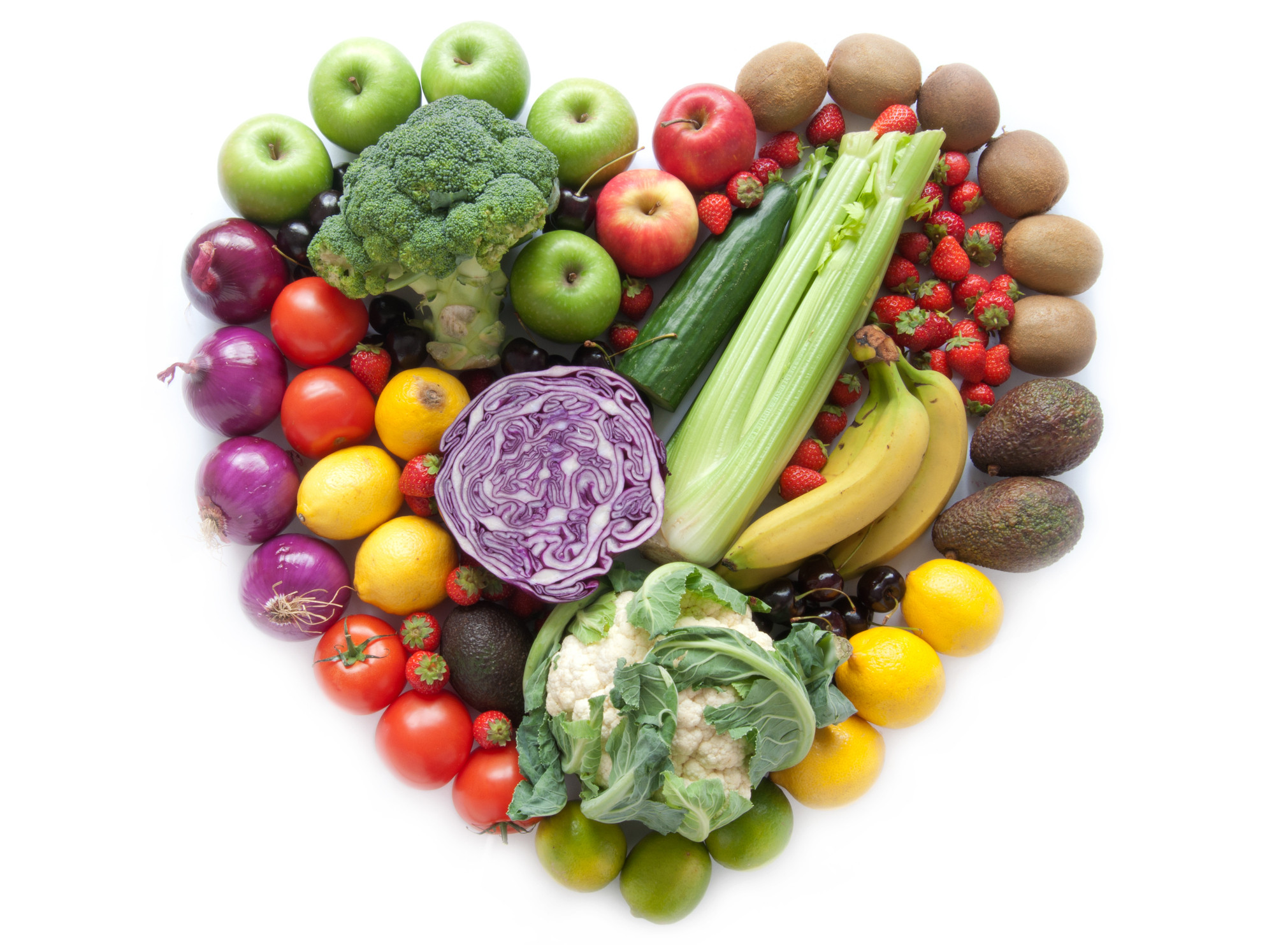
How many daily servings of fruits and vegetables should you eat to keep your heart healthy? Five servings a day (about two-and-a-half cups) appears to slightly lower your risk of heart attack and stroke. But pump up your produce intake to 10 servings a day, and you may lower your risk of cardiovascular disease by 28% and your risk of premature death by 31%, according to a new review article.
The findings, published online Feb. 22, 2017, by the International Journal of Epidemiology, were gleaned from 95 studies from around the world looking at the effects of fruit and vegetable intake. The items that seemed to offer the greatest benefits included apples, pears, oranges and other citrus fruits, green leafy vegetables, cruciferous vegetables (such as broccoli, cabbage, and cauliflower), and green and yellow vegetables (such as green beans, carrots, and peppers).

Blood markers for heart disease linked to microscopic strokes
Research we're watching
Aging brains often show signs of microscopic strokes, which result from damage to tiny blood vessels within the brain. Those that occur in the brain's outermost layer — called cortical cerebral microinfarcts (CMIs) — usually don't cause any symptoms. But they are more common in autopsies of people diagnosed with dementia. Now, new research suggests a link between blood markers for early heart disease and CMIs.
The study, published online Feb. 6, 2017, by JAMA Neurology, included 243 people who attended a memory clinic. All had brain scans to check for CMIs and blood tests that measured two substances associated with early signs of heart damage. People who had CMIs (nearly 29% of the participants) were much more likely to have heart disease than those who didn't have CMIs. Higher levels of both substances associated with heart damage were also linked to CMIs — even when the researchers left out people who already had obvious symptoms of heart disease.
Safety of implanted cardiac devices and MRIs: An update
Research we're watching
Contrary to conventional wisdom, most people with older implanted cardiac devices may be able to safely get a magnetic resonance imaging (MRI) scan, according to a study in the Feb. 23, 2017, New England Journal of Medicine.
The devices, which include pacemakers and implantable cardioverter-defibrillators (ICDs), help regulate and restore the heart's normal rhythm. Concerns that the powerful magnets in MRIs could damage these battery-operated devices led to the development of newer, MRI-safe devices. But an estimated two million people in the United States have one of the older devices, and at least half of them might need an MRI in the future.
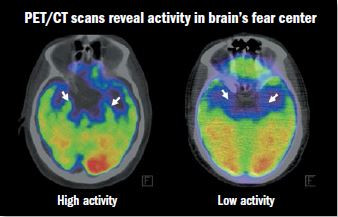
Uncovering the link between emotional stress and heart disease
The brain's fear center may trigger inflammation and lead to a heart attack. But stress reduction techniques can break the chain.
Image: © Cardiology Division, Massachusetts General Hospital
A small, almond-shaped area deep inside the brain called the amygdala is involved in processing intense emotions, such as anxiety, fear, and stress. Now, a new brain-imaging study reveals how heightened activity in the amygdala may trigger a series of events throughout the body that raises heart attack risk.
"This study identifies a mechanism that links stress, artery inflammation, and subsequent risk of a heart attack," says study leader Dr. Ahmed Tawakol, an associate professor of medicine at Harvard Medical School. Earlier animal studies have shown that stress activates bone marrow to make white blood cells. These infection-fighting cells trigger inflammation, a process that encourages the buildup of fatty plaque inside artery walls. "But what we didn't know was, does this happen in humans? And what is the role of the brain?" he says.

A win for weekend warriors?
Exercising just one or two days a week may lower the odds of dying of heart disease.
Image: © Jupiterimages/Thinkstock
If you find it difficult to fit a workout into your daily schedule, here's some encouraging news: exercising even just once or twice a week appears to help your heart, new research suggests.
The findings, which were based on the self-reported exercise habits of more than 63,500 people, were published March 6, 2017, in JAMA Internal Medicine. Among people who exercised enough to meet federal physical activity recommendations, those who did all their exercise on one or two days a week — so-called weekend warriors — had 40% lower risk of death from heart disease than people who were inactive (see "Exercise patterns: How much do time and intensity matter?").

Your blood pressure goal: A personalized balancing act
Experts are divided on optimal blood pressure targets but agree that an individual approach is the best strategy.
There's no debate about the dangers of high blood pressure. Dubbed the "silent killer," high blood pressure usually has no symptoms. Yet this common condition damages blood vessels throughout the body, raising the risk of heart attack, stroke, kidney disease, and other problems.
But exactly when to start drug therapy for high blood pressure and how aggressive that treatment should be — especially in older people — has been a matter of some dispute in recent years. Some studies suggest that aiming for a stricter (that is, lower) blood pressure target than the current guidelines recommend can substantially reduce a person's risk of cardiovascular complications (see: "Blood pressure research and guidelines: A moving target?"). Other studies offer evidence that a more relaxed (that is, higher) target makes more sense for most people, given the potential harms of drug side effects such as fatigue and coughing, as well as low blood pressure, which can cause lightheadedness and fainting.
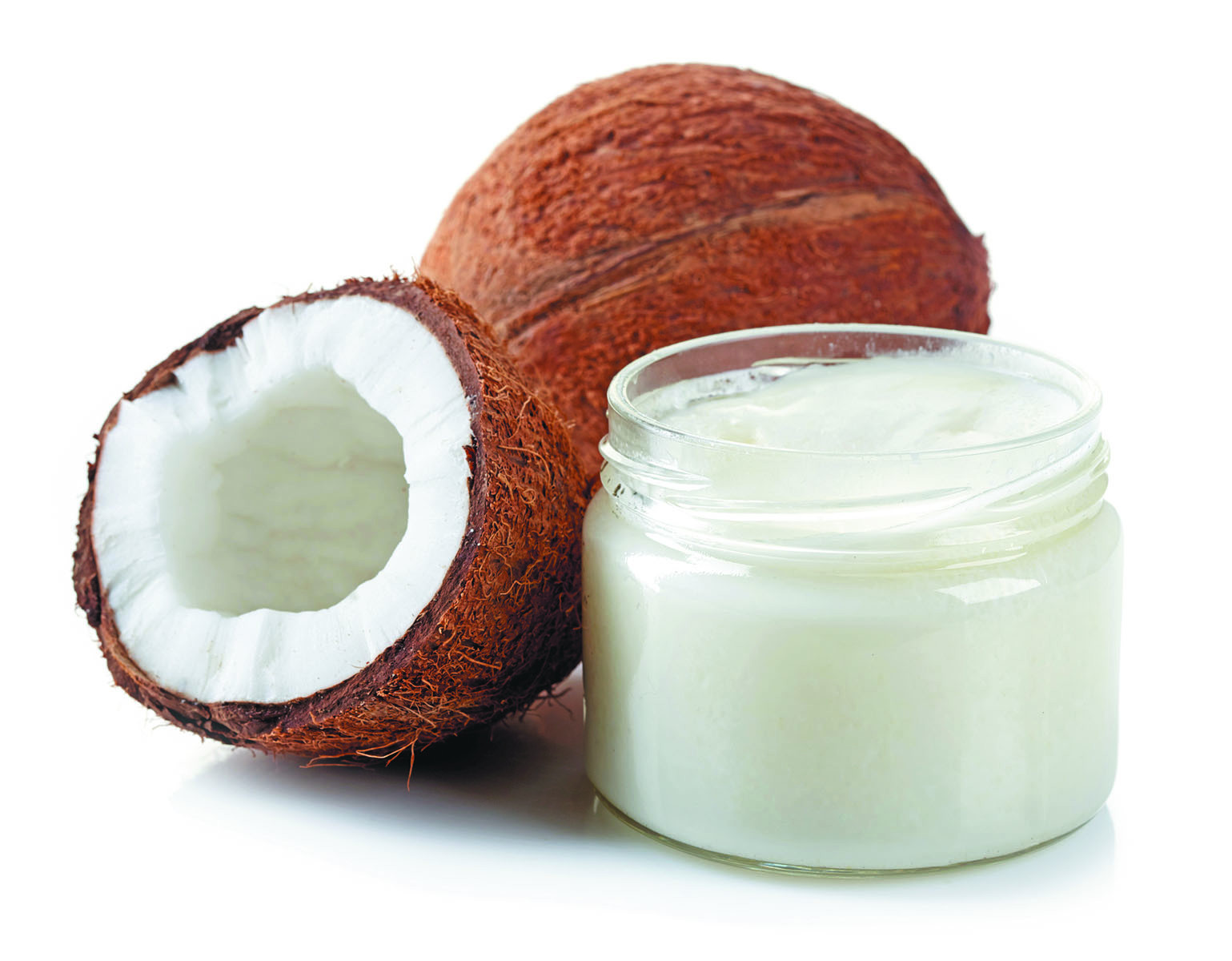
Cracking the coconut craze
Are oils and other products made from this tropical fruit a healthy choice?
Image: © Magone/Thinkstock
Recently, a Harvard Heart Letter reader emailed us a question about coconut oil, a solid white fat that's been touted as a health food, specifically for the heart. Lately, more coconut-based products, including spreads and beverages, are showing up on grocery store shelves, along with jars of coconut oil. But this reader isn't buying it. "I cannot imagine that a food with so much saturated fat could be healthful. What is the latest scientific information regarding coconut oil?" he wrote.
Extracted from white "meat" inside the brown, hard-shelled fruit of the coconut palm, coconut oil is indeed chock-full of saturated fat. In fact, it's about 90% saturated fat, a much higher proportion than butter (64%) or lard (40%). Too much saturated fat in the diet raises harmful LDL cholesterol, which increases the risk of heart disease. But what else do we know about the health effects of this tropical fruit?

The Healthy Heart: Preventing, detecting, and treating coronary artery disease
Medications for heart disease
Although lifestyle changes are an essential first step in treating coronary artery disease, you may need to take medications to reach your cholesterol and blood pressure goals and otherwise reduce your risk. In fact, most people with heart disease need to take more than one medication. The specific combination of drugs will depend on your particular symptoms and risk factors. Some of the most commonly prescribed medications are described below.
Blood pressure medications
For many years, doctors used diuretics — sometimes known as water pills — to treat high blood pressure. Although diuretics remain a mainstay of blood pressure treatment because they are cheap and effective, a flood of other drugs have become available since the 1980s. In addition, a large meta-analysis comparing the various options concluded that the five categories of drugs currently available are equally effective for most people. Work with your doctor to determine the best type of medication for you.
Hip bursitis vs. arthritis: How to tell the difference
Fitness for longevity: Which type matters most?
Ministrokes linked to elevated risk of dementia
Continuous glucose monitors benefit people who don't need insulin
CoQ10: Should you take this popular supplement if you're on a statin?
Microplastics: A hidden health threat?
Oat vs. dairy milk: Nutrition, benefits, and downsides
What is tempeh? Benefits, nutrition, and how to use it
Healing after food poisoning
Whole grains may improve several heart risk factors at once
Free Healthbeat Signup
Get the latest in health news delivered to your inbox!
Sign Up
