

Hip bursitis vs. arthritis: How to tell the difference

Fitness for longevity: Which type matters most?

Ministrokes linked to elevated risk of dementia

Continuous glucose monitors benefit people who don't need insulin

CoQ10: Should you take this popular supplement if you're on a statin?

Microplastics: A hidden health threat?

Oat vs. dairy milk: Nutrition, benefits, and downsides

What is tempeh? Benefits, nutrition, and how to use it

Healing after food poisoning

Whole grains may improve several heart risk factors at once
Heart Disease Archive
Articles
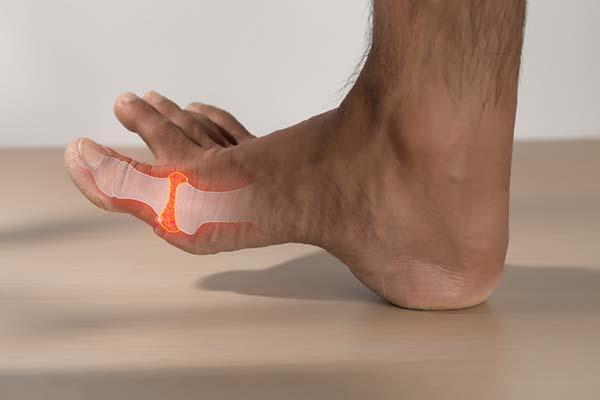
Gout and heart disease: What's the connection?
Many people with gout are at increased risk for heart disease, possibly due to shared risk factors and the effects of chronic inflammation on the heart and blood vessels. Medication to treat gout, along with dietary changes and regular physical activity, can lower risks.


Can diet lower triglyceride levels?
A rising triglyceride level can increase risk of damage to the heart and pancreas. Learn which foods to eat and limit to improve your numbers.
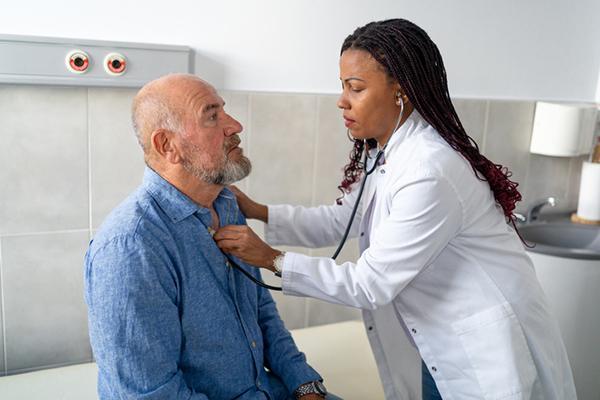
What heart problems can be heard with a stethoscope?
The most common problems detected with a stethoscope are conditions that affect one of your heart valves—usually the aortic valve or the mitral valve. While often harmless, these problems sometimes require monitoring and treatment.
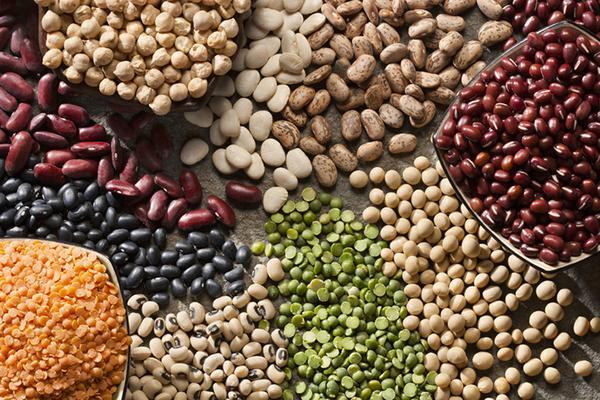
Legumes: Are they good for your heart?
Legumes, which include beans, peas, and lentils, are a good source of plant-based protein. They also contain two forms of fiber that may help lower cholesterol, blood pressure, inflammation, and body weight—all important causes of heart disease.

The health benefits of forest bathing
Forest bathing, which originated in Japan, means spending time in the woods or other natural setting, immersed in the surrounding sights, sounds, and smells. Research suggests that the practice may reduce the harmful health effects of stress.
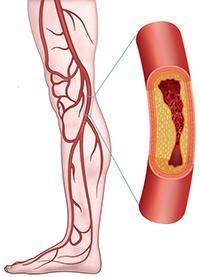
Treating peripheral artery disease: When might you need a procedure?
A small percentage of people with peripheral artery disease develop symptoms so severe they need a procedure to restore blood flow to their legs and feet. Options include angioplasty with a stent, endarterectomy, or peripheral artery bypass surgery.

Atrial fibrillation symptoms: Why they're easy to miss
Symptoms of atrial fibrillation include a fluttering, pounding sensation in the chest and a lightheaded, dizzy, or breathless feeling. But about a quarter of people with this disorder don’t notice any symptoms.

Should you take low-dose aspirin?
Daily low-dose aspirin can lower the risk of a second heart attack in people who’ve already had one. For people without a history of heart attack, the risk of dangerous bleeding usually outweighs any potential heart-related benefit from taking low-dose aspirin.

Exercising with low blood pressure: Advice and precautions
People with low blood pressure, which is defined as consistently having a reading lower than 90/60 mm Hg, sometimes feel dizzy or lightheaded during or after exercise. But modifying your exercise routine and taking simple precautions can help.
Hip bursitis vs. arthritis: How to tell the difference
Fitness for longevity: Which type matters most?
Ministrokes linked to elevated risk of dementia
Continuous glucose monitors benefit people who don't need insulin
CoQ10: Should you take this popular supplement if you're on a statin?
Microplastics: A hidden health threat?
Oat vs. dairy milk: Nutrition, benefits, and downsides
What is tempeh? Benefits, nutrition, and how to use it
Healing after food poisoning
Whole grains may improve several heart risk factors at once
Free Healthbeat Signup
Get the latest in health news delivered to your inbox!
Sign Up
