

Hip bursitis vs. arthritis: How to tell the difference

Fitness for longevity: Which type matters most?

Ministrokes linked to elevated risk of dementia

Continuous glucose monitors benefit people who don't need insulin

CoQ10: Should you take this popular supplement if you're on a statin?

Microplastics: A hidden health threat?

Oat vs. dairy milk: Nutrition, benefits, and downsides

What is tempeh? Benefits, nutrition, and how to use it

Healing after food poisoning

Whole grains may improve several heart risk factors at once
Heart Disease Archive
Articles

Coffee: A heart-healthy brew?
Coffee drinking has been linked to a lower risk of dying of heart disease. Coffee contains potent anti-inflammatory substances called polyphenols that may improve blood sugar control and help blood vessels contract and relax. Although the caffeine in coffee may help people control their weight, it can trigger a short-term rise in blood pressure and heart rate. Filtered coffee, which removes substances that may raise LDL (bad) cholesterol, appears to be a better option than unfiltered coffee.

Air pollution: An invisible threat to your heart
Exposure to microscopic particles called PM2.5 in air pollution may increase a person’s risk of heart attack, stroke, and heart rhythm disorders. The tiny particles pass from the lungs into the bloodstream, triggering inflammation and other cell-damaging processes. Air pollution comes mainly from coal-fired power plants, industrial factories, and motor vehicles. To limit exposure, people should try to avoid exercising outdoors near busy roads or industrial areas.

Shingles linked with higher risk for heart disease and stroke
People who have had shingles have a 30% increased risk for heart disease and stroke, says a new Harvard study. Learn more about the risk.

A closer look at good cholesterol
Doctors concentrate on helping men lower their blood levels of low-density lipoprotein (LDL), or "bad" cholesterol, to lower their risk of cardiovascular disease. Lower HDL levels are associated with higher cardiovascular risk. This may be related to HDL's role in helping to remove excess cholesterol in arteries that can lead to plaque buildup and increase the risk of heart attacks and strokes. However, no specific therapies to raise HDL levels have improved outcomes.

Watch out for bogus supplement claims
In November 2022, the FDA called out seven supplement companies for illegally claiming their products could treat or prevent cardiovascular disease, such as atherosclerosis or heart failure.

Spot the warning signs of 4 dangerous conditions
Sometimes people miss the symptoms of life-threatening conditions such as a heart attack, a stroke, atrial fibrillation, or a pulmonary embolism. To detect the warning signs, people should pay attention to sudden, new symptoms, especially if they include shortness of breath, chest pain, heart palpitations, lightheadedness, confusion, weakness, fatigue, fainting, or a terrible headache. Someone experiencing any of these symptoms should call 911. If symptoms aren't sudden or intense, and people aren't sure if they warrant emergency help, they should call their doctor.

Most Americans need a large or extra-large blood pressure cuff
A majority of people in the United States need a large or extra-large blood pressure cuff. To ensure an accurate reading, people should check their arm circumference to make sure they're using the correct cuff size.

Stopping unneeded aspirin may prevent dangerous bleeding
Some people who take the anti-clotting drug warfarin (Coumadin) may not need to take low-dose aspirin. Stopping unneeded aspirin use may prevent dangerous bleeding.

Heavy metals found in popular brands of dark chocolate
Popular brands of dark chocolate (which is often touted as heart-healthy) may contain potentially worrisome levels of lead and cadmium. Consistent, long-term exposure to these heavy metals has been linked to cardiovascular disease.
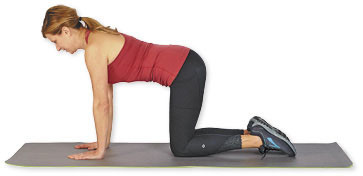
Move of the month: Opposite arm and leg raise
The core muscles include those of the abdomen, lower back, front of hips, and spine. Many popular sports such as cycling, golf, tennis, and swimming depend on a stable, flexible core.
Hip bursitis vs. arthritis: How to tell the difference
Fitness for longevity: Which type matters most?
Ministrokes linked to elevated risk of dementia
Continuous glucose monitors benefit people who don't need insulin
CoQ10: Should you take this popular supplement if you're on a statin?
Microplastics: A hidden health threat?
Oat vs. dairy milk: Nutrition, benefits, and downsides
What is tempeh? Benefits, nutrition, and how to use it
Healing after food poisoning
Whole grains may improve several heart risk factors at once
Free Healthbeat Signup
Get the latest in health news delivered to your inbox!
Sign Up
