

Hip bursitis vs. arthritis: How to tell the difference

Fitness for longevity: Which type matters most?

Ministrokes linked to elevated risk of dementia

Continuous glucose monitors benefit people who don't need insulin

CoQ10: Should you take this popular supplement if you're on a statin?

Microplastics: A hidden health threat?

Oat vs. dairy milk: Nutrition, benefits, and downsides

What is tempeh? Benefits, nutrition, and how to use it

Healing after food poisoning

Whole grains may improve several heart risk factors at once
Heart Disease Archive
Articles

How COVID-19 can compromise your heart health
COVID survivors—even those with mild infections—appear to face a higher risk of cardiovascular problems such as heart failure, heart attack, and stroke for up to one year after their initial infection. People who were hospitalized (especially those who ended up in the intensive care unit) may have the highest risk. The virus that causes COVID can injure blood vessels and triggers an immune response that promotes the formation of blood clots in arteries and veins throughout the body and brain.

Get a leg up to avoid complications from PAD
Regular walking—for at least 30 minutes a day, three days per week—is the best treatment for peripheral artery disease. This condition is characterized by fatty deposits that accumulate in arteries outside the heart and brain (usually the legs). Walking encourages blood flow in the leg's smaller arteries and also creates new channels that move blood around the blocked areas, which eventually helps ease the pain.

A daily drink: Not as harmless as you might think
The long-held assumption that light to moderate drinking is good for a person's heart is likely inaccurate. A new study using sophisticated genetic tools suggests that the risk of high blood pressure and coronary artery disease rise for any quantity of alcohol consumption. The added risk is low when people consume up to a single drink per day but rises exponentially at levels above seven drinks per week. This added risk applies to a first-time diagnosis of heart disease and not to people already diagnosed with a heart problem (who might well face even greater risk).

Blood pressure and your brain
High blood pressure increases the risk of stroke and plays a role in cognitive decline. Simple lifestyle changes such as eating a healthy diet, exercising, and losing weight can lower blood pressure.

Women's heart symptoms not so different after all
Women have long been told to watch for "atypical" signs of heart attack, but new guidance reveals that heart symptoms are not as different in men and women as once believed. Women are also more likely to have a less-common subtype of heart failure, and reproductive history should be considered when assessing women's heart risks. Anyone experiencing chest pain should call 911, mention chest pain before other symptoms, and bear in mind that other chest sensations may signal heart attack.

How cardiology experts fight heart disease
Doctors advise that the best ways to lower risk for heart disease is to exercise, eat right, and adopt healthy lifestyle habits, like stress management, social engagement, and adequate sleep. But what do cardiology doctors do to practice what they preach? Three Harvard cardiologists share their heart-healthy habits and how they've overcome the same challenges their patients face.

Meal of the month: A Mexican-inspired meal
Tacos filled with white fish or black beans, topped with vegetables and salsa, is an easy-to-prepare Mexican-inspired meal.

Nordic diet may improve cholesterol, blood sugar levels
A traditional Nordic diet featuring whole grains, berries, canola oil, fish, and low-fat dairy may improve heart-related risk factors, even if people following the diet don't lose weight.

Warning about portable electronics for people with heart devices
Some portable electronic devices—including Apple AirPod charging cases and certain smartphones—contain strong magnets that can interfere with the function of an implantable cardioverter-defibrillator.
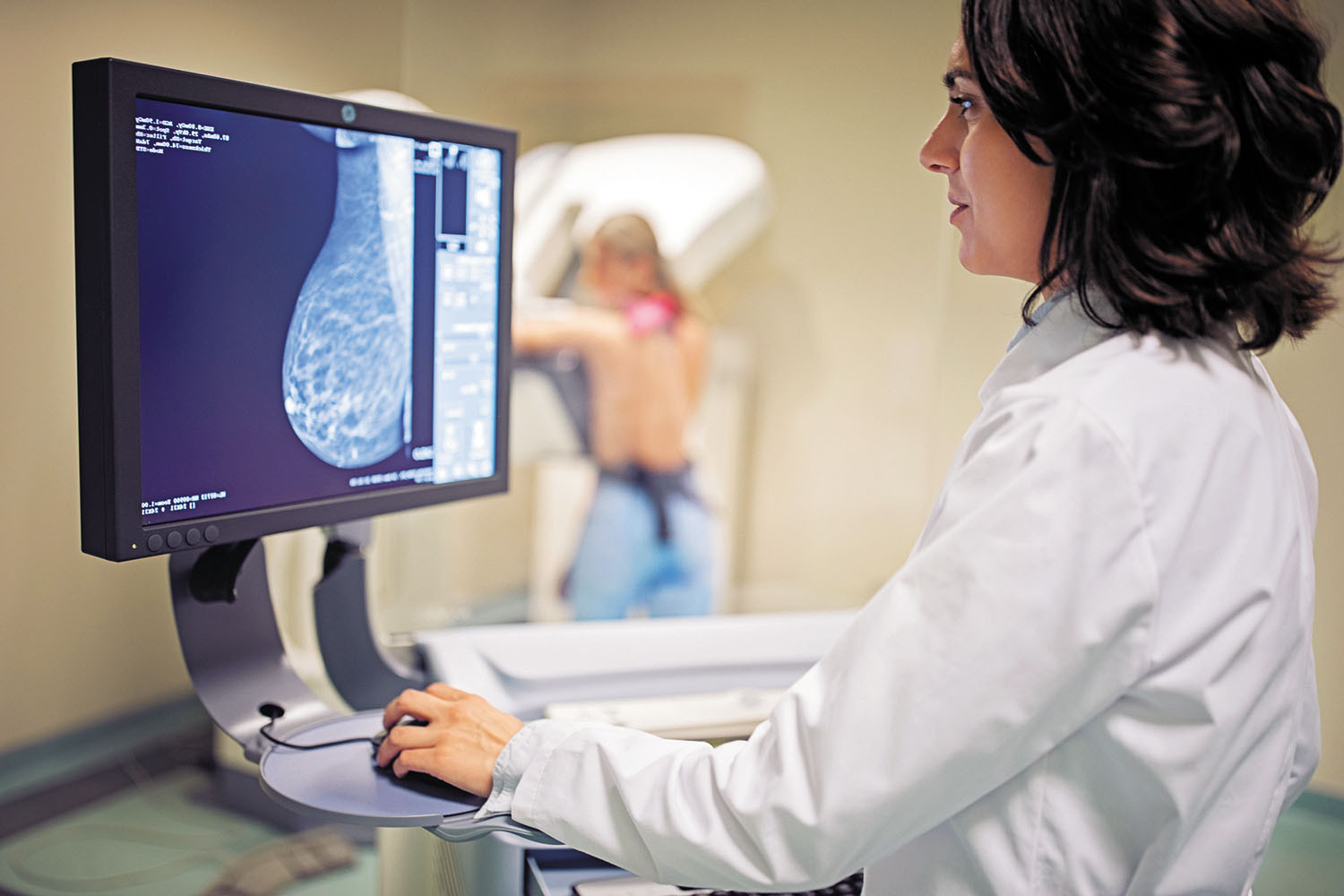
Mammograms may help reveal cardiovascular risk
Postmenopausal women whose screening mammograms show signs of calcification in their breast arteries may have a higher risk of cardiovascular disease.
Hip bursitis vs. arthritis: How to tell the difference
Fitness for longevity: Which type matters most?
Ministrokes linked to elevated risk of dementia
Continuous glucose monitors benefit people who don't need insulin
CoQ10: Should you take this popular supplement if you're on a statin?
Microplastics: A hidden health threat?
Oat vs. dairy milk: Nutrition, benefits, and downsides
What is tempeh? Benefits, nutrition, and how to use it
Healing after food poisoning
Whole grains may improve several heart risk factors at once
Free Healthbeat Signup
Get the latest in health news delivered to your inbox!
Sign Up
