

Hip bursitis vs. arthritis: How to tell the difference

Fitness for longevity: Which type matters most?

Ministrokes linked to elevated risk of dementia

Continuous glucose monitors benefit people who don't need insulin

CoQ10: Should you take this popular supplement if you're on a statin?

Microplastics: A hidden health threat?

Oat vs. dairy milk: Nutrition, benefits, and downsides

What is tempeh? Benefits, nutrition, and how to use it

Healing after food poisoning

Whole grains may improve several heart risk factors at once
Heart Failure Archive
Articles

Gout drug may help prevent repeat heart attacks
Research we're watching
A drug long used to treat a painful form of arthritis called gout may also benefit heart attack survivors, according to a new study.
Derived from the autumn crocus, colchicine (Colcrys, Mitigare) helps to ease the joint inflammation and pain that characterize gout. Because mounting evidence suggests that inflammation plays a role in heart disease, researchers have tested various anti-inflammatory drugs in heart patients. The latest study, published online Nov. 16, 2019, by The New England Journal of Medicine, tested colchicine against a placebo in 4,745 people who had experienced a heart attack within the previous month. All the participants also took standard drugs to treat heart disease, including statins, aspirin, and other clot-preventing drugs.

Marijuana use linked to higher risk of stroke in younger adults
Research we're watching
Younger adults who use marijuana appear to face a higher risk of stroke compared with those who don't use the drug, according to a report published Nov. 11, 2019, in the journal Stroke.
Researchers pooled data from a nationally representative survey from the CDC that included nearly 44,000 participants ages 18 to 44. About 14% reported using marijuana within the past month. Young adults who recently used marijuana were 1.8 times more likely to experience a stroke compared with nonusers. The risk was 2.5 times higher among frequent users (more than 10 days a month). Frequent marijuana users who also smoked regular cigarettes had three times the risk for nonusers.

Calcium and vitamin D supplements: Good, bad, or neutral for cardiovascular health?
For these popular pills, the evidence has been mixed. Here's advice about getting the recommended amounts of both nutrients.
In the body, calcium and vitamin D work together to build and maintain healthy bones. Many adults (especially women) take these two nutrients in supplement form, hoping to stave off osteoporosis, the bone-weakening disease that leaves older people prone to fractures. But how do these supplements affect cardiovascular health?
The answer is a bit complicated. Here are the key points, with additional context and advice below:

Easing into exercise
Even short stints of structured exercise may improve your heart health — and it's never too late to start.
Are you one of those people whose typical day includes doing chores around the house and yard, running errands, and caring for a spouse, grandkids, or pets? Having a busy, active life is one reason people think they don't need to set aside time devoted solely to exercise, says Gisele Bousquet, program director at Harvard-affiliated Brigham and Women's Cardiac Rehabilitation Program in Foxborough, Mass.
"People say, I'm very active, I'm always on the go," she says. Being physically active is good, she tells them. But doing regular moderate exercise — ideally for at least 30 minutes most days of the week — can lower your blood pressure and many other risk factors linked to heart disease. Even if you've never done formal exercise, starting in the second half of life can still make a difference (see "Exercise: Even starting after 60 can help").

Is nighttime the right time for blood pressure drugs?
Taking these medications at bedtime rather than in the morning may make them more effective.
Many people take their medications as part of their morning ritual, along with a cup of coffee and the daily newspaper. But for blood pressure drugs, evening may be a better option. Last year, a large study found that taking blood pressure drugs before bed may lower the risk of serious heart-related complications more than taking the drugs in the morning (see "Benefits of bedtime blood pressure dosing").
The concept of chronotherapy, or adjusting medication dosing to a specific time of day, isn't new. There's not a great deal of evidence to support the practice with cardiovascular drugs, but it makes sense, says Dr. Naomi Fisher, director of the Hypertension Specialty Clinic at Harvard-affiliated Brigham and Women's Hospital.
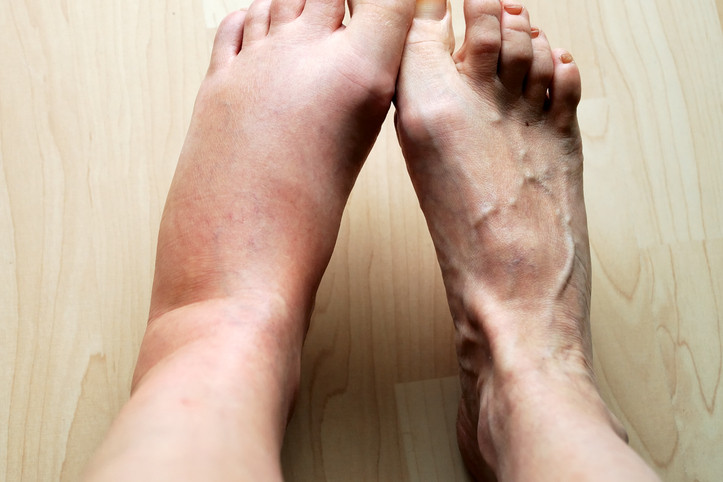
Concerns about swollen legs
Ask the doctor
Q. I have noticed my legs are getting more swollen lately. Is this anything to worry about? My mother also had this problem and was diagnosed with heart failure.
A. Leg swelling is very common, especially as people get older. Heart failure, which means the heart can't function well enough to meet the body's needs, is certainly on the list of serious causes. However, people usually experience other symptoms such as shortness of breath and fatigue by the time the heart failure becomes serious enough to cause leg swelling.


LDL cholesterol: How low can you (safely) go?
Lowering LDL cholesterol has been shown to lower risk of cardiovascular disease. Recent studies have suggested that more aggressive goals for LDL levels in people who already have CVD can decrease risk even further.

Congenital heart disease and autism: A possible link?
A recent study confirms that people born with congenital heart disease have a significantly greater risk of being diagnosed with an autism spectrum disorder. The research highlights the need for autism screening in children with CHD as early as possible.
Hip bursitis vs. arthritis: How to tell the difference
Fitness for longevity: Which type matters most?
Ministrokes linked to elevated risk of dementia
Continuous glucose monitors benefit people who don't need insulin
CoQ10: Should you take this popular supplement if you're on a statin?
Microplastics: A hidden health threat?
Oat vs. dairy milk: Nutrition, benefits, and downsides
What is tempeh? Benefits, nutrition, and how to use it
Healing after food poisoning
Whole grains may improve several heart risk factors at once
Free Healthbeat Signup
Get the latest in health news delivered to your inbox!
Sign Up
