

Hip bursitis vs. arthritis: How to tell the difference

Fitness for longevity: Which type matters most?

Ministrokes linked to elevated risk of dementia

Continuous glucose monitors benefit people who don't need insulin

CoQ10: Should you take this popular supplement if you're on a statin?

Microplastics: A hidden health threat?

Oat vs. dairy milk: Nutrition, benefits, and downsides

What is tempeh? Benefits, nutrition, and how to use it

Healing after food poisoning

Whole grains may improve several heart risk factors at once
Heart Failure Archive
Articles
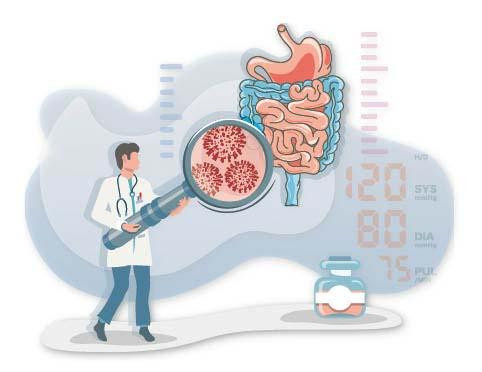
How a healthy gut benefits your blood pressure
A diet low in sodium and rich in plant-based foods promotes a diverse, balanced population of gut microbes, which may help people maintain a healthy blood pressure. A salty diet increases the prevalence of bad microbes and reduces the number of beneficial microbes. When bad microbes accumulate in the gut, they form breakdown products and toxins that promote inflammation. Beneficial microbes feed on fiber, which is why a diet that provides a mix of healthy fiber from plant-based foods helps. These microbes produce short-chain fatty acids, which interact with specific receptors on cells that help regulate blood pressure.

Higher fitness levels may protect against atrial fibrillation
A 2025 study suggests that higher fitness levels may help protect people from developing atrial fibrillation.

The hidden heart danger of insufficient sleep
Insufficient sleep triggers a long list of physiological and hormonal changes that contribute to heart disease. For example, a lack of sleep can cause increases in blood pressure, blood sugar, inflammation, and weight. Doctors recommend getting at least seven hours of uninterrupted sleep per night. Strategies that promote better sleep include going to bed and waking up at the same time every day, creating a healthy sleep environment, and turning off electronics an hour before bedtime.

Enjoy eggs - just skip the bacon
Eating two eggs per day doesn't appear to raise harmful LDL cholesterol, as long as people follow a diet low in saturated fat. Although eggs are high in cholesterol, dietary cholesterol doesn't have much of an effect on the amount in a person's bloodstream. But excess dietary saturated fat does raise blood cholesterol, which is why people should limit their saturated fat to 7% of their daily calories.
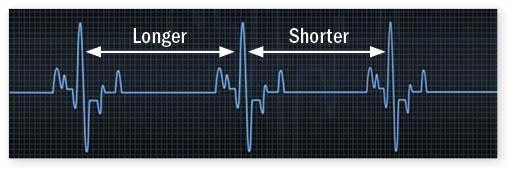
How relevant is heart rate variability?
Heart rate variability (HRV) is a measure of the tiny fluctuations in timing from one heartbeat to the next. Higher values are linked to better fitness levels and stress resilience.

Frequent standing may improve blood pressure after menopause
A 2025 study suggests that postmenopausal women may be able to lower their blood pressure simply by standing more often each day.

How do I make sense of my medication orders?
Hospital discharge instructions about medications can be complicated and confusing. Having a family member or friend along as a second set of ears during the discharge meeting can be helpful.

Alcohol and heart health: A complex relationship
The association between alcohol and cardiovascular disease is both complex and controversial. There's no evidence of an increased risk for the most common forms of heart disease in people who stay within the limits for moderate drinking. Whether light to moderate drinking can lower a person's risk is impossible to answer with currently available evidence. But there is clear, consistent evidence that heavier drinking-an average of three or more drinks per day-is linked to worse outcomes for every type of heart disease.

Cardiac rehab appears to help people with atrial fibrillation
A 2025 analysis of randomized trials found that cardiac rehab-a personalized program of supervised exercise and healthy lifestyle coaching-can also help people with atrial fibrillation, an irregular heartbeat that can cause stroke and heart failure.
The heart attack and stroke emergency playbook
Everyone should learn what to do if a heart attack or stroke occurs, beyond calling 911. It helps to become familiar with heart attack and stroke symptoms, so they can be recognized. It's also important to speak with one's own doctor in advance, to find out if he or she advises taking an aspirin in one of those emergencies. Other precautions include keeping emergency contact and medication lists updated and handy, and talking about emergency plans with family and friends, especially one's health care proxy.
Hip bursitis vs. arthritis: How to tell the difference
Fitness for longevity: Which type matters most?
Ministrokes linked to elevated risk of dementia
Continuous glucose monitors benefit people who don't need insulin
CoQ10: Should you take this popular supplement if you're on a statin?
Microplastics: A hidden health threat?
Oat vs. dairy milk: Nutrition, benefits, and downsides
What is tempeh? Benefits, nutrition, and how to use it
Healing after food poisoning
Whole grains may improve several heart risk factors at once
Free Healthbeat Signup
Get the latest in health news delivered to your inbox!
Sign Up
