

Hip bursitis vs. arthritis: How to tell the difference

Fitness for longevity: Which type matters most?

Ministrokes linked to elevated risk of dementia

Continuous glucose monitors benefit people who don't need insulin

CoQ10: Should you take this popular supplement if you're on a statin?

Microplastics: A hidden health threat?

Oat vs. dairy milk: Nutrition, benefits, and downsides

What is tempeh? Benefits, nutrition, and how to use it

Healing after food poisoning

Whole grains may improve several heart risk factors at once
Heart Failure Archive
Articles

The lowdown on "good" cholesterol
Long touted as beneficial for heart health, high-density lipoprotein (HDL) is more complicated than experts once thought. Some forms of HDL grab cholesterol from the bloodstream and other tissues and transport it to the liver, where it's recycled or disposed, but other types are neutral or perform the opposite action. Most drugs that raise HDL don't seem to prevent heart disease, and very high HDL levels may even be linked to a higher risk.

What does the flu have to do with the heart?
For some people, the effects of the influenza (flu) virus can lead to a heart attack or cardiac arrest (sudden death). These people typically have reduced blood flow to the heart due to atherosclerosis (narrowed arteries). Because the flu can cause blood oxygen levels to drop to dangerously low levels, it can further reduce the supply of oxygen to the heart, causing a heart attack or cardiac arrest. Fortunately, getting an annual flu shot is associated with reduced risks of a heart attack and related cardiac events.

How does marijuana affect the heart?
An estimated two million people in the United States with cardiovascular disease currently use or have used marijuana. Converging (yet limited) evidence suggests the drug may be harmful to the heart. Marijuana can cause the heart to beat faster and blood pressure to rise. Heart attack risk also appears to rise in the hour after smoking marijuana, and the drug has also been linked to an increased likelihood of atrial fibrillation and stroke.

A new drug to treat heart failure
Most people with heart failure (or those at high risk for it) need several medications to treat their symptoms. New guidelines from the American College of Cardiology/American Heart Association have added another drug class to the treatment list: a group of diabetes drugs called sodium-glucose cotransporter-2 (SGLT-2) inhibitors. SGLT-2 inhibitors offer multiple benefits, such as helping to reduce swelling, lowering high blood pressure, assisting with weight loss, reducing complications associated with heart failure, and preventing hospitalization.

Brushing off heart failure symptoms
Heart failure symptoms, such as being tired or out of breath, gaining weight, or having swollen ankles, can be overlooked and attributed to other causes. As a result, heart failure is not usually diagnosed until months or years later, when a person is hospitalized for it. By that point, the risk for dying from heart failure has already risen significantly, sometimes higher than the risk of death from cancer. Someone who has potential heart failure symptoms should talk to a doctor, especially if symptoms are new and if the person has diabetes, heart disease, high blood pressure, obesity, or an unhealthy lifestyle.
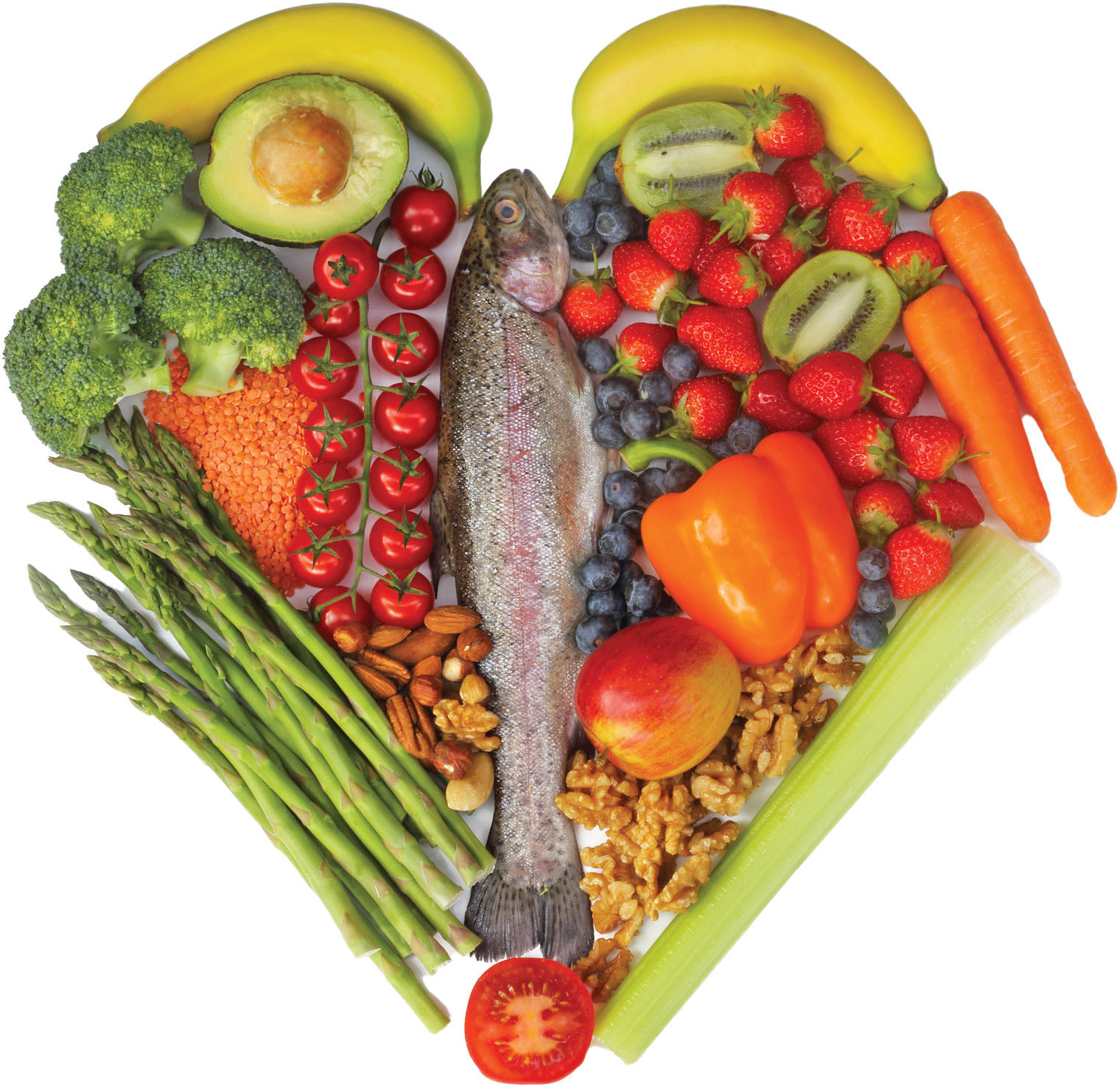
Preventing repeat heart attacks: Mediterranean vs. low-fat diet
For people with heart disease, a Mediterranean diet prevents future heart problems better than a low-fat diet.

Happy heart syndrome: Even positive stress can affect the heart
Grief, fear, conflict, or other negative emotions can lead to an unusual type of heart attack, commonly known as broken heart syndrome. Rarely, positive emotions can also trigger the problem—and this "happy heart syndrome" may be more prevalent among men.

What's driving heart attacks in younger adults?
Seven factors appear to account for most first heart attacks in people ages 55 and younger: diabetes, depression, high blood pressure, current smoking, family history of early heart attack, low household income, and high cholesterol.

Artificial intelligence: Advancing into cardiology
Machine learning, a key aspect of artificial intelligence (AI), may improve the diagnosis of heart disease by analyzing large amounts of data from chest CT scans, echocardiograms, and electrocardiograms. By recognizing patterns, the machine "learns" and becomes more accurate over time. Current projects include diagnosing coronary artery disease with stress echocardiography and detecting multiple heart rhythm disorders from electrocardiograms in different formats and layouts.

Meal of the month: Summer supper on the grill
A backyard barbeque can be a good way for people to include more vegetables in their evening meal. Good choices include whole portabella mushroom caps, asparagus, sweet peppers, onions, and zucchini.
Hip bursitis vs. arthritis: How to tell the difference
Fitness for longevity: Which type matters most?
Ministrokes linked to elevated risk of dementia
Continuous glucose monitors benefit people who don't need insulin
CoQ10: Should you take this popular supplement if you're on a statin?
Microplastics: A hidden health threat?
Oat vs. dairy milk: Nutrition, benefits, and downsides
What is tempeh? Benefits, nutrition, and how to use it
Healing after food poisoning
Whole grains may improve several heart risk factors at once
Free Healthbeat Signup
Get the latest in health news delivered to your inbox!
Sign Up
