

Hip bursitis vs. arthritis: How to tell the difference

Fitness for longevity: Which type matters most?

Ministrokes linked to elevated risk of dementia

Continuous glucose monitors benefit people who don't need insulin

CoQ10: Should you take this popular supplement if you're on a statin?

Microplastics: A hidden health threat?

Oat vs. dairy milk: Nutrition, benefits, and downsides

What is tempeh? Benefits, nutrition, and how to use it

Healing after food poisoning

Whole grains may improve several heart risk factors at once
Heart Failure Archive
Articles

Is broken heart syndrome becoming more common?
Broken heart syndrome—an uncommon condition linked to severe emotional or physical stress that occurs mostly in women—may be more common than previously thought. The increase in diagnoses may reflect heightened awareness of all forms of heart disease in women. The condition may result from the surge of adrenaline that affects the heart's muscle cells and blood vessels, causing the heart's left ventricle to temporarily change shape. The heart resembles a Japanese clay pot used to trap an octopus, called a tako-tsubo, which is why broken heart syndrome was originally dubbed takotsubo cardiomyopathy.

How physical activity keeps your heart in good shape
Moderate-to-vigorous exercise appears to be the best way to boost cardiorespiratory fitness (CRF), which quantifies how well the heart and lungs supply oxygen to the muscles during physical activity. Higher CRF during midlife is linked to a lower risk of conditions closely tied to heart disease (including early signs of atherosclerosis, high blood pressure, and diabetes) later in life.

Abdominal aneurysms: Uncommon but potentially dangerous
Up to 7% of people ages 50 and older (mostly male smokers) have abdominal aortic aneurysms (AAAs). In rare cases, these balloon-like pouches can expand and rupture with little warning, which can be life-threatening. Medicare covers screening tests for AAA for men ages 65 to 75 who have smoked at least 100 cigarettes in their lives and for anyone with a family history of AAA.

Meal of the month: Baked salmon, farro, and colorful vegetables

When the doctor becomes the patient: A transformative experience
A doctor's serious health threat prompts reflection on the power of spirituality, the value of mindfulness practice, and acknowledgment of mortality as a motivator to reassess one's priorities.
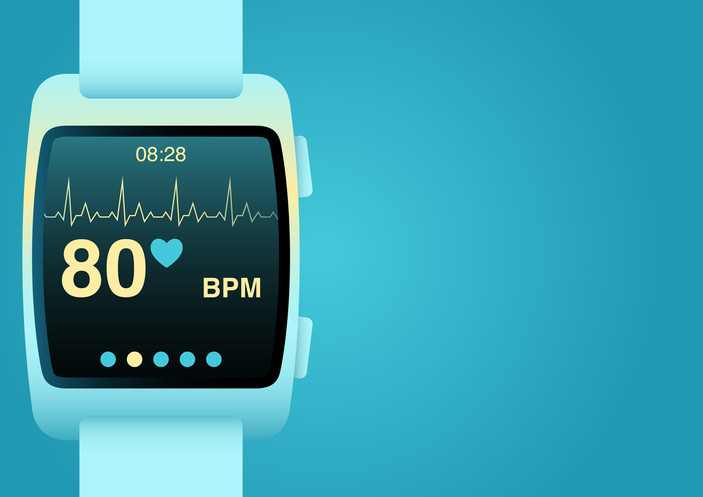
Harvard Health Ad Watch: How helpful are pulse monitors and home ECGs?
Ads for consumer health monitoring devices make it seem like having ready and regular access to heart rate, heart rhythm, and electrocardiogram data is something everyone needs. While it may help some people with existing heart conditions, how about for an average person without such a concern?

Coffee and your blood pressure


Exercise may heal the heart as well as prevent future problems
Exercise may help to reverse some types of heart damage. Not only can workouts prevent heart problems, but it may help to improve conditions that may raise risk for cardiovascular events. A 2021 study, for example, showed that a yearlong exercise program helped improve heart health in people who were at increased risk for heart failure.
Is there such a thing as a silent stroke?
It is possible to experience a stroke without symptoms. Addressing cardiovascular risk factors can help lower the risk.
Hip bursitis vs. arthritis: How to tell the difference
Fitness for longevity: Which type matters most?
Ministrokes linked to elevated risk of dementia
Continuous glucose monitors benefit people who don't need insulin
CoQ10: Should you take this popular supplement if you're on a statin?
Microplastics: A hidden health threat?
Oat vs. dairy milk: Nutrition, benefits, and downsides
What is tempeh? Benefits, nutrition, and how to use it
Healing after food poisoning
Whole grains may improve several heart risk factors at once
Free Healthbeat Signup
Get the latest in health news delivered to your inbox!
Sign Up
