

Hip bursitis vs. arthritis: How to tell the difference

Fitness for longevity: Which type matters most?

Ministrokes linked to elevated risk of dementia

Continuous glucose monitors benefit people who don't need insulin

CoQ10: Should you take this popular supplement if you're on a statin?

Microplastics: A hidden health threat?

Oat vs. dairy milk: Nutrition, benefits, and downsides

What is tempeh? Benefits, nutrition, and how to use it

Healing after food poisoning

Whole grains may improve several heart risk factors at once
Heart Health Archive
Articles
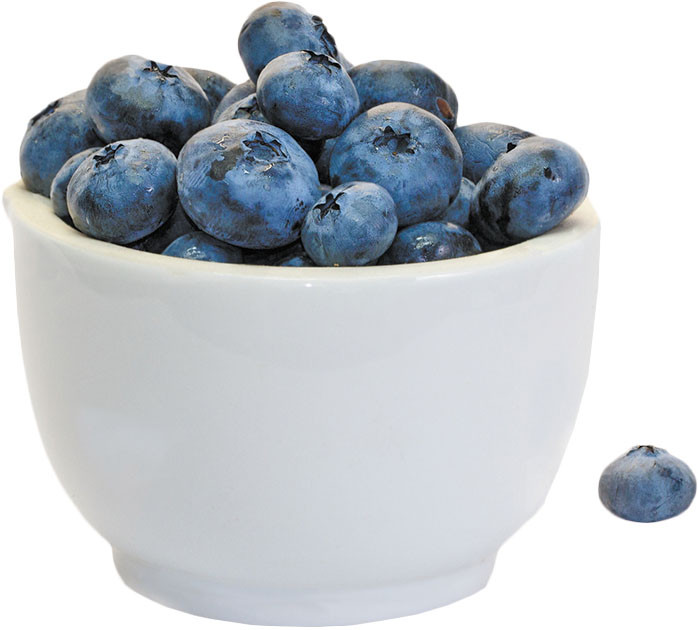
Blueberries may help lower blood pressure
In the journals
Eating a cup of blueberries every day may help your blood pressure, suggests a new study. The results, published online Feb. 16, 2019, by The Journals of Gerontology, Series A: Biological Sciences and Medical Sciences, found that consuming 200 grams of blueberries (about one cup) daily can improve blood vessel function and decrease systolic blood pressure (the top number in a blood pressure reading).
Researchers recruited 40 healthy men and randomly gave them either a drink containing 200 grams of whole wild blueberries or a control drink (which looked and tasted much the same) every day for a month. The team also monitored the men's blood pressure as well as the flow-mediated dilation of the brachial artery in their upper arms. This measures how the artery widens when blood flow increases and is a marker of reduced cardiovascular disease risk.
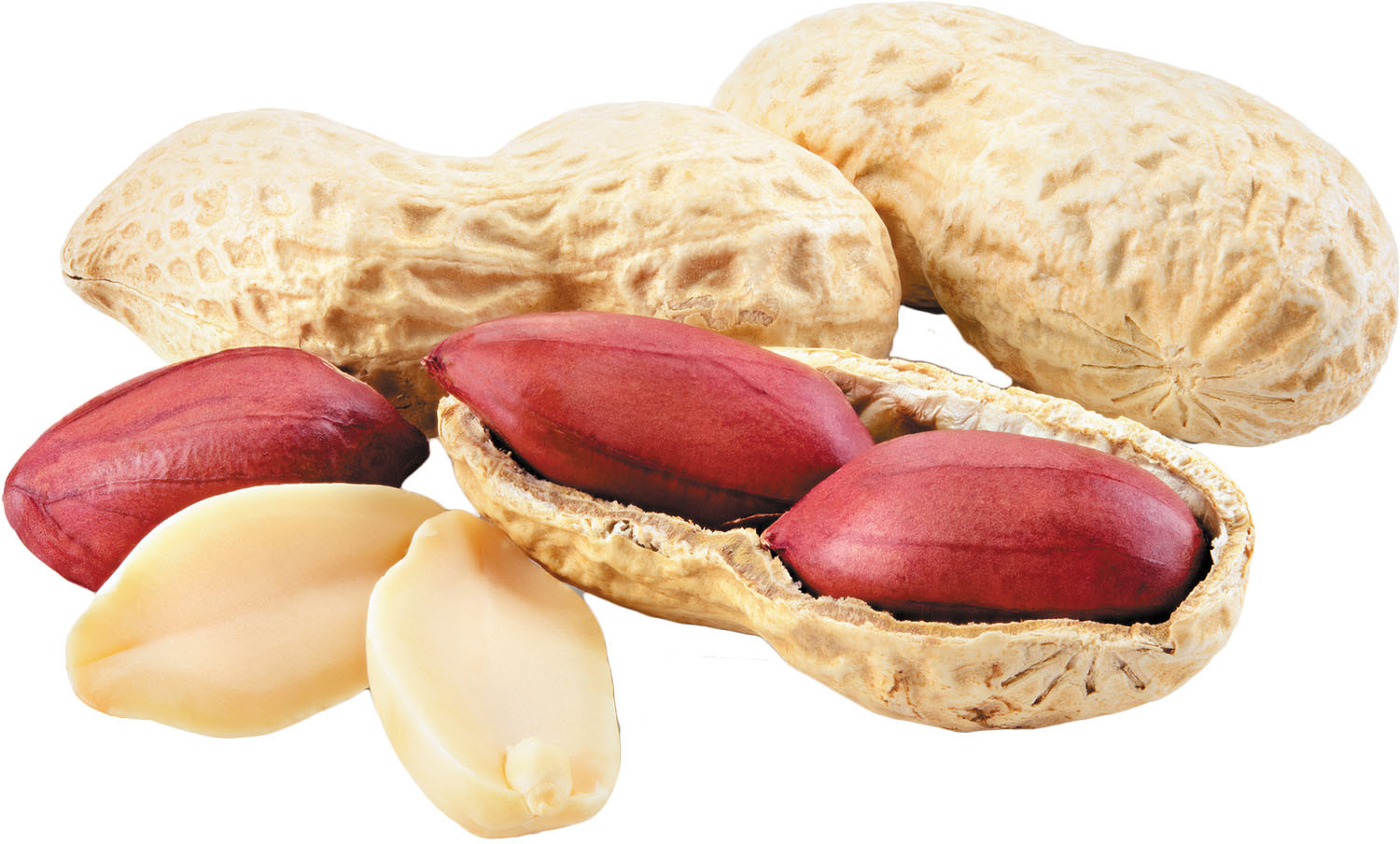
Legume of the month: Peanuts
Even though "nut" is in its name, a peanut is actually a legume. Like soybeans, lentils, and other legumes, peanuts are edible seeds that grow in pods. Still, most people think of them as nuts, along with tree nuts such as walnuts, almonds, and hazelnuts. (Unlike other legumes, which grow on vines or shrubs, peanuts grow underground.)
Nutritionally speaking, peanuts and tree nuts are fairly similar: they're all rich in healthy unsaturated fats and fiber, as well as several vitamins and minerals. Numerous studies suggest that people who eat peanuts or tree nuts frequently have lower rates of heart disease compared with people who rarely eat them. One added bonus for peanuts: they're not as pricey as tree nuts, making them a more affordable addition to your daily menu.

Ministroke: A warning sign of a major problem
Even short-lived, subtle stroke symptoms should be evaluated.
Imagine trying to write a note, but it feels like you're moving the pen through wet concrete. Or you suddenly can't see normally — it's as if a black curtain has dropped over one of your eyes.
If these odd symptoms last for only a few minutes, you might be tempted to brush them off and blame muscle cramps or fatigue. Don't make that mistake, says Dr. Christopher Anderson, director of Acute Stroke Services at Harvard-affiliated Massachusetts General Hospital. Both of the above scenarios are examples of a possible transient ischemic attack (TIA), commonly referred to as a ministroke. Caused by a temporary lack of blood in part of the brain, a TIA is a warning sign that you are at risk for a stroke.

Ask the doctor: Is high blood pressure in the morning a problem?
Q. My blood pressure is high when I first get up in the morning, generally around 160/80, but always drops back to normal (around 120/75) by 11 a.m. and stays that way throughout the day. I take two different blood pressure pills in the morning. What might cause this? Should I make any changes?
A. Blood pressure normally comes down during sleep. It then returns to your usual level just before you wake up.
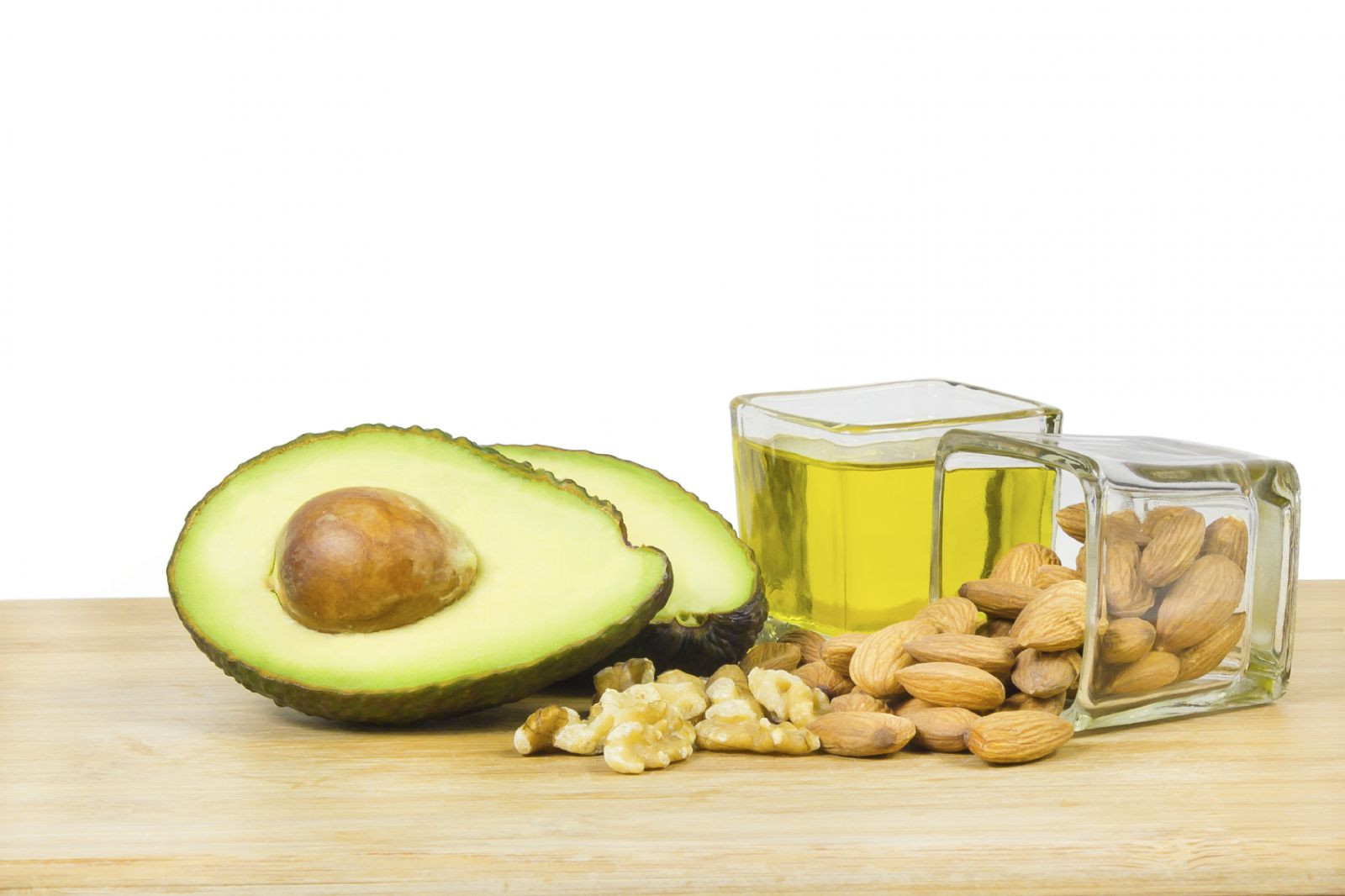
The truth about dietary fat
For years, experts recommended low-fat diets as a way to lower cholesterol and heart disease risk. Today, we know that low-fat isn't the way to go after all. A healthy diet includes plenty of "good-for-you" fats — and limits the unhealthy ones. Current dietary guidelines recommend that you get 20% to 35% of your daily calories from fat. Even more may be fine, if you follow these simple guidelines.
Favor the "good" fats.
The best sources of healthy fats are oily, cold-water fish, such as salmon and tuna; plant sources such as avocados and nuts; and vegetable oils, such as olive, canola, soybean, and cottonseed oils. These fats promote heart health because they lower cholesterol levels — and they may even fight chronic inflammation, which may contribute to heart disease. It's okay to get up to 35% of your daily calories from fat — as long as most of it comes from sources like these.


Key minerals to help control blood pressure
It's usually best to get calcium, magnesium, and potassium from food. Are you getting enough?
A healthy, balanced diet plays a major role in blood pressure control. And you should consume some specific minerals on a regular basis for good blood pressure management: calcium, magnesium, and potassium. But do most of us get enough of these? "If you're eating a healthy diet, you probably have nothing to worry about. But people eating a diet of processed and canned foods or taking certain medications might not be getting enough of these micronutrients," says Dr. Randall Zusman, director of the Division of Hypertension at the Massachusetts General Hospital Heart Center.
1/2 cup canned white | 3 ounces of cooked | 1/2 cup cooked spinach: 419 mg potassium, 78 mg of magnesium, and 146 mg of calcium. |
Whole grains associated with longevity, say Harvard researchers
Regularly eating whole grains can help you lower “bad” cholesterol, triglycerides, and blood pressure. A diet rich in whole grains also “is associated with a lower risk of developing cardiovascular disease, type 2 diabetes, metabolic syndrome, and certain types of cancer,” says Dr. Qi Sun, an associate professor at Harvard Medical School.
In a study published in JAMA Internal Medicine, Sun and colleagues reported that eating whole grains may even extend your life. Sun used the diet information of more than 100,000 men and women whose health was followed for more than 20 years. The study found that those who regularly ate whole grains had a 9% lower overall death rate and a 15% lower death rate from heart disease.

8 pill-free ways to lower your blood pressure
A healthy diet that includes plenty of fresh fruit and vegetables can help to lower and control high blood pressure. Images: Thinkstock |
Try losing weight, changing your diet, and exercising.
Sometimes getting your blood pressure under control requires that you take several medications each day, such as a diuretic and a calcium-channel blocker. But some therapies don't involve medication. "People who have drug intolerances or are unwilling to take medications can try pill-free therapy, and it can also be used to make a medication regimen more effective," says Dr. Randall Zusman, a cardiologist and Harvard Medical School associate professor.
New guidelines for high blood pressure diagnosis and treatment
News briefs
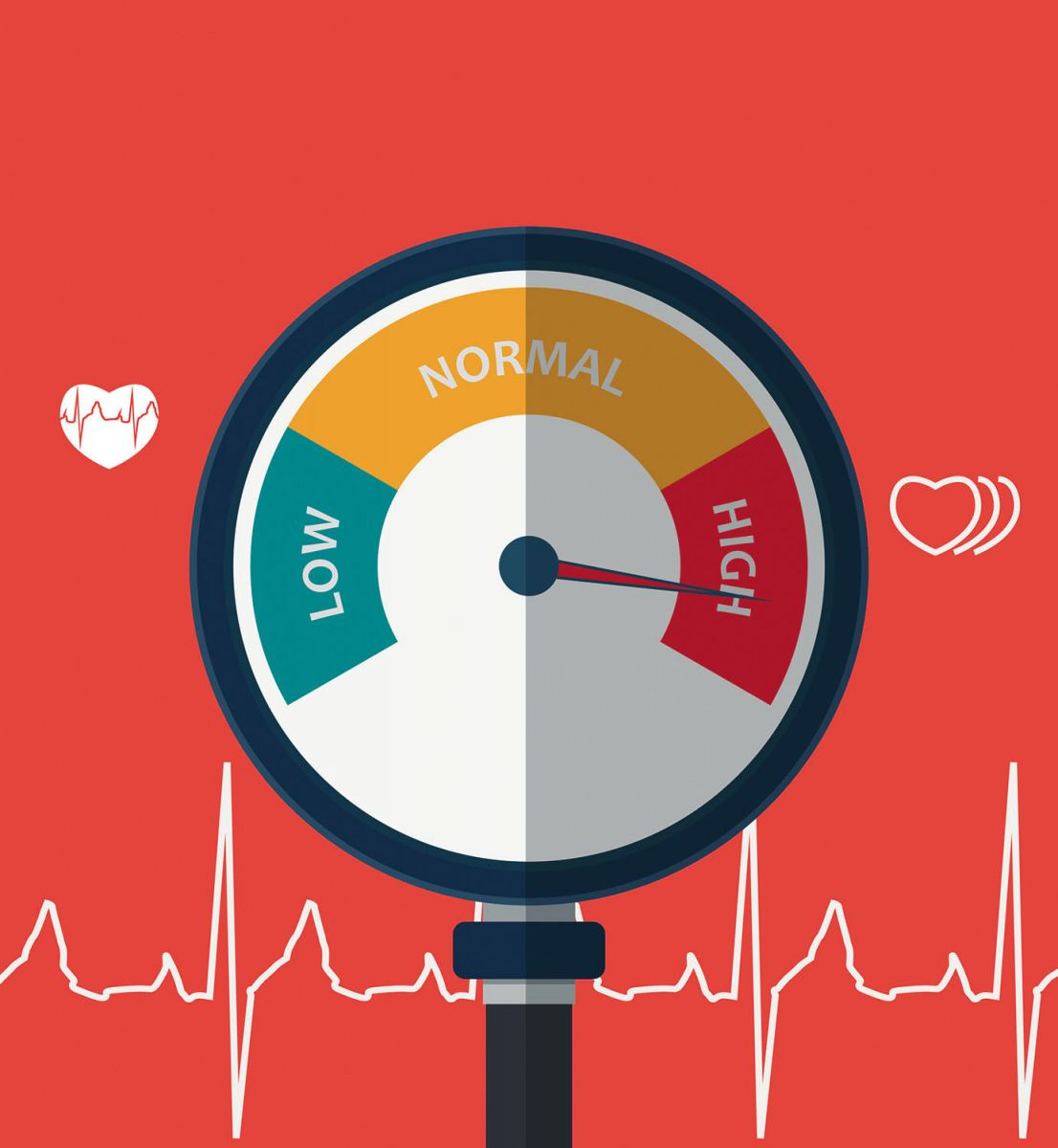
If you haven't talked to your doctor lately about your blood pressure, it may be time for a check-up. The definition of high blood pressure (hypertension) changed in November 2017, when the American College of Cardiology and the American Heart Association released new guidelines for diagnosis and treatment of the condition. High blood pressure used to be diagnosed at a measurement of 140/90 millimeters of mercury (mm Hg) or higher. Now these authorities state that if your blood pressure is 130/80 mm Hg or higher, you have hypertension. A normal blood pressure measurement is the same as it was before: less than 120/80 mm Hg. What if your blood pressure is in between normal and the new hypertension threshold? That's considered "elevated," something that should be watched and addressed with exercise, a healthy diet low in salt, limited alcohol intake (no more than one drink per day for women, one or two drinks per day for men), and weight loss as needed. The new guidelines are based on evidence that having a systolic (top) measurement from 130 to 139 and a diastolic (bottom) measurement from 80 to 89 doubles the risk for having a heart attack, stroke, or other complications.
Image: © eduardrobert/Thinkstock
Hip bursitis vs. arthritis: How to tell the difference
Fitness for longevity: Which type matters most?
Ministrokes linked to elevated risk of dementia
Continuous glucose monitors benefit people who don't need insulin
CoQ10: Should you take this popular supplement if you're on a statin?
Microplastics: A hidden health threat?
Oat vs. dairy milk: Nutrition, benefits, and downsides
What is tempeh? Benefits, nutrition, and how to use it
Healing after food poisoning
Whole grains may improve several heart risk factors at once
Free Healthbeat Signup
Get the latest in health news delivered to your inbox!
Sign Up
