

Hip bursitis vs. arthritis: How to tell the difference

Fitness for longevity: Which type matters most?

Ministrokes linked to elevated risk of dementia

Continuous glucose monitors benefit people who don't need insulin

CoQ10: Should you take this popular supplement if you're on a statin?

Microplastics: A hidden health threat?

Oat vs. dairy milk: Nutrition, benefits, and downsides

What is tempeh? Benefits, nutrition, and how to use it

Healing after food poisoning

Whole grains may improve several heart risk factors at once
Heart Health Archive
Articles
Seeing clogged arteries may spur healthy lifestyle changes
Research we're watching
To encourage heart-healthy habits, a picture may be worth a thousand words, suggests a study published online Dec. 3, 2018, by The Lancet.
The study included more than 3,100 people ages 40 to 60 with at least one risk factor for heart disease. All participants received standard care to prevent heart disease, including medications (if needed) and advice about lifestyle factors. But half were given a drawing depicting the amount of plaque in their neck arteries, along with a gauge ranging from green to red to illustrate their biological age (based on their blood vessel health) compared with their actual age. Nurses called them with follow-up information, and their doctors also got the images.

More trees, fewer heart risks?
Research we're watching
Living in a leafy, green neighborhood may lead to lower levels of some telltale markers for heart disease and stroke, new research suggests.
During the five-year study, researchers collected blood and urine samples from 408 people recruited from a cardiology clinic in Louisville, Ky. The researchers also estimated green space exposure using satellite imagery that showed the vegetation density in each of the participants' neighborhoods.

Fish oil and vitamin D supplements might offer some health benefits
In the journals
Vitamin D and omega-3 fatty acid supplements have had mixed results when it comes to preventing heart attacks, strokes, and cancer in people who have already developed these problems or are at high risk for them. Yet a new study published online Nov. 10, 2018, by The New England Journal of Medicine found they may actually prevent these conditions among people who have never had these problems before.
Researchers recruited almost 26,000 people, ages 50 and older, who had no history of heart disease or cancer. The participants were divided into four groups. People in one group were given daily doses of 2,000 international units of vitamin D (an amount found to be linked to lower disease risk in observational studies) and 1 gram of a drug called Lovaza, which contained 840 milligrams of omega-3s (two to four times the amount in two servings of fish per week). The second group took vitamin D and a placebo, the third group took the omega-3s and a placebo, and the final group took two placebos. After more than five years, the researchers found that those given omega-3s were 28% less likely to suffer a heart attack compared with those given a placebo. Those who ate fewer servings of fish (less than the average of 1.5 servings per week) appeared to have a greater benefit from the additional omega-3s while those with higher fish intake had minimal benefit.

Are workouts safe after a heart attack?
Ask the doctors
Q. My partner recently had a heart attack. The doctor recommended exercise, but I wonder if it's better to take it easy. I feel like exercise might be dangerous or even cause another heart attack. Is exercising too risky?
A. As counterintuitive as it might seem, exercise is good medicine for heart attack survivors. Provided the doctor gives the green light, about two-and-a-half hours of moderate-intensity exercise each week can be beneficial — this is the amount recommended by the American Heart Association. Exercise can start as soon as the doctor gives the okay.
FDA: Certain antibiotics may bring serious risks
Research we're watching
In December 2018, the FDA issued a warning about certain antibiotics known as fluoroquinolones, a drug class that includes ciprofloxacin (Cipro) and levofloxacin (Levaquin). The drugs are associated with rare ruptures or tears in the body's main artery, the aorta, which can cause serious, sometimes fatal bleeding. Cases were reported in people taking these antibiotics orally or by injection.
Because of this risk, the FDA is advising doctors to try to avoid prescribing these antibiotics to people who are at higher risk for problems with the aorta, unless there are no other antibiotics available to treat the infection. This includes people who have high blood pressure, certain genetic disorders (such as Marfan syndrome and Ehlers-Danlos syndrome), or a history of arterial blockages or aneurysms.


Skipping a beat — the surprise of heart palpitations
Interesting heart palpitations causes and treatment for a case of the heart flutters
Does your heart unexpectedly start to race or pound, or feel like it keeps skipping beats? These sensations are called heart palpitations. For most people, heart palpitations are a once-in-a-blue-moon occurrence. Others have dozens of these heart flutters a day, sometimes so strong that they feel like a heart attack.
Most palpitations are caused by a harmless hiccup in the heart's rhythm. A few reflect a problem in the heart or elsewhere in the body.

A different kind of heart attack
A "type 2" heart attack caused by severely restricted blood flow can be just as serious as a heart attack caused by a sudden complete blockage.
Image: © PeopleImages/Getty Images
In TV shows and movies, a man having a heart attack typically clutches his chest and falls to the ground, but most heart attacks are not nearly as dramatic.
"No two heart attacks are the same, nor do they strike in similar fashion," says Dr. Krishna Aragam, a cardiologist with Harvard-affiliated Massachusetts General Hospital. "Some heart attacks are subtler in their warnings, but can be just as serious and even deadly if they are not attended to."

Does your Achilles tendon offer clues to your heart health?
Research we're watching
Image: © pashapixel/Getty Images
A tendon that stretches between your heel and your calf may tell you something about your cardiovascular health. Researchers found that people with thicker Achilles tendons have more significant coronary artery disease and are at higher risk for a heart attack than those with thinner tendons.
The study, which was presented in November 2018 at the American Heart Association's Scientific Sessions meeting in Chicago, found that people with thicker Achilles tendons were more likely to have a blocked heart artery and left main coronary artery disease, which is associated with a high risk of heart disease and death. It's unclear, however, exactly why this artery was thicker in these individuals.
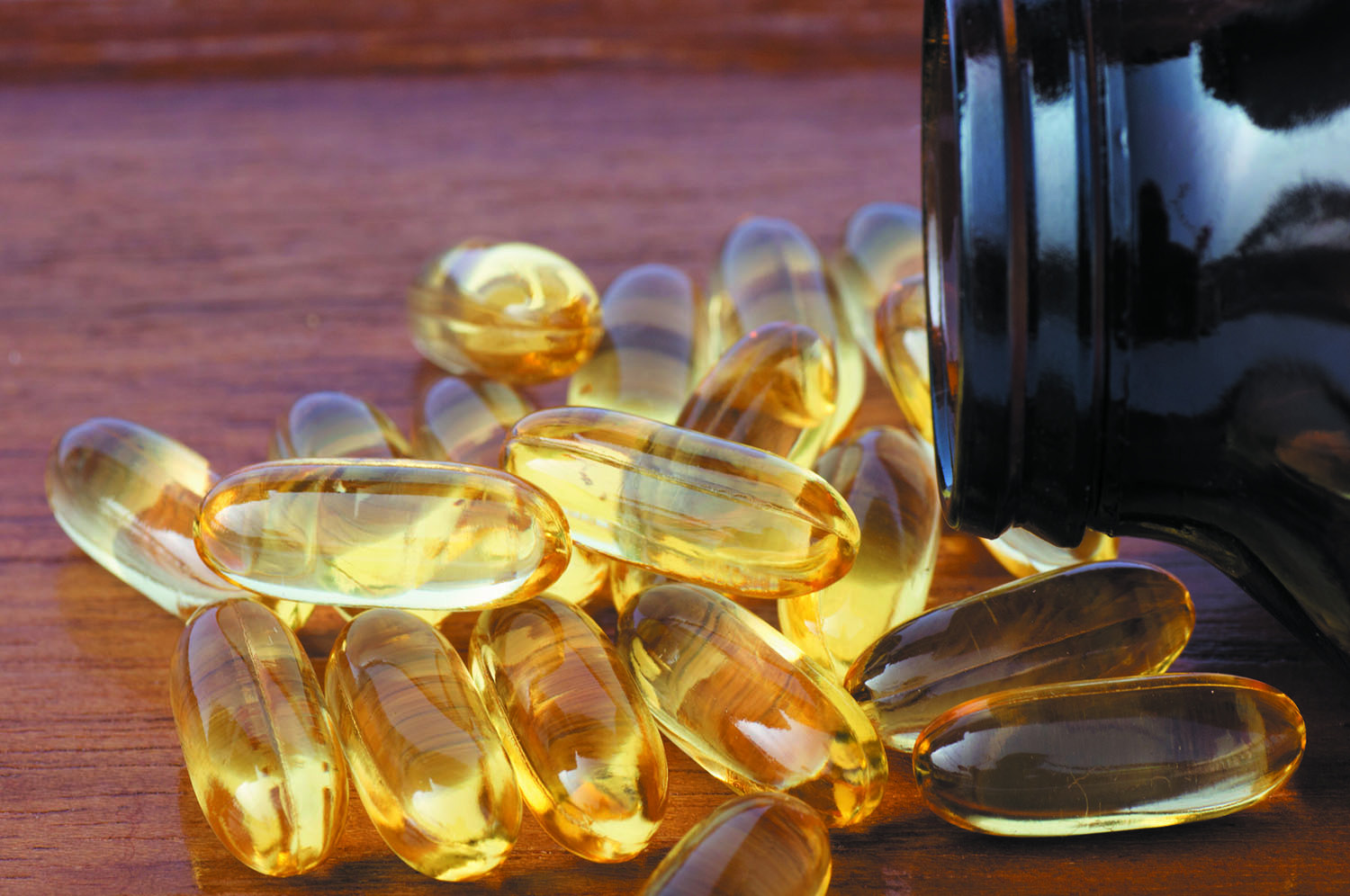
Vitamin D and omega-3 fatty acids supplements fall short when it comes to disease prevention
Image: © Hunterann/Thinkstock
Research we're watching
For years, many have speculated that taking vitamin D and omega-3 fatty acid supplements might help to prevent heart attacks, strokes, and certain cancers. But a study by Harvard researchers published online November 10, 2018, by The New England Journal of Medicine has found that the benefits may be more limited than originally hoped.
The results of the Vitamin D and Omega-3 Trial (VITAL), which enrolled more than 25,000 people and ran for more than five years, showed that while omega-3 supplements did appear to reduce the risk of heart attack, particularly among African Americans, they did not appear to be effective in preventing stroke or cancer. Vitamin D supplements also saw few benefits when it came to preventing heart attack, stroke, or cancer — but they were associated with a drop in cancer deaths in people who had taken the supplements for at least a year or two.
Hip bursitis vs. arthritis: How to tell the difference
Fitness for longevity: Which type matters most?
Ministrokes linked to elevated risk of dementia
Continuous glucose monitors benefit people who don't need insulin
CoQ10: Should you take this popular supplement if you're on a statin?
Microplastics: A hidden health threat?
Oat vs. dairy milk: Nutrition, benefits, and downsides
What is tempeh? Benefits, nutrition, and how to use it
Healing after food poisoning
Whole grains may improve several heart risk factors at once
Free Healthbeat Signup
Get the latest in health news delivered to your inbox!
Sign Up
