

Hip bursitis vs. arthritis: How to tell the difference

Fitness for longevity: Which type matters most?

Ministrokes linked to elevated risk of dementia

Continuous glucose monitors benefit people who don't need insulin

CoQ10: Should you take this popular supplement if you're on a statin?

Microplastics: A hidden health threat?

Oat vs. dairy milk: Nutrition, benefits, and downsides

What is tempeh? Benefits, nutrition, and how to use it

Healing after food poisoning

Whole grains may improve several heart risk factors at once
Heart Health Archive
Articles
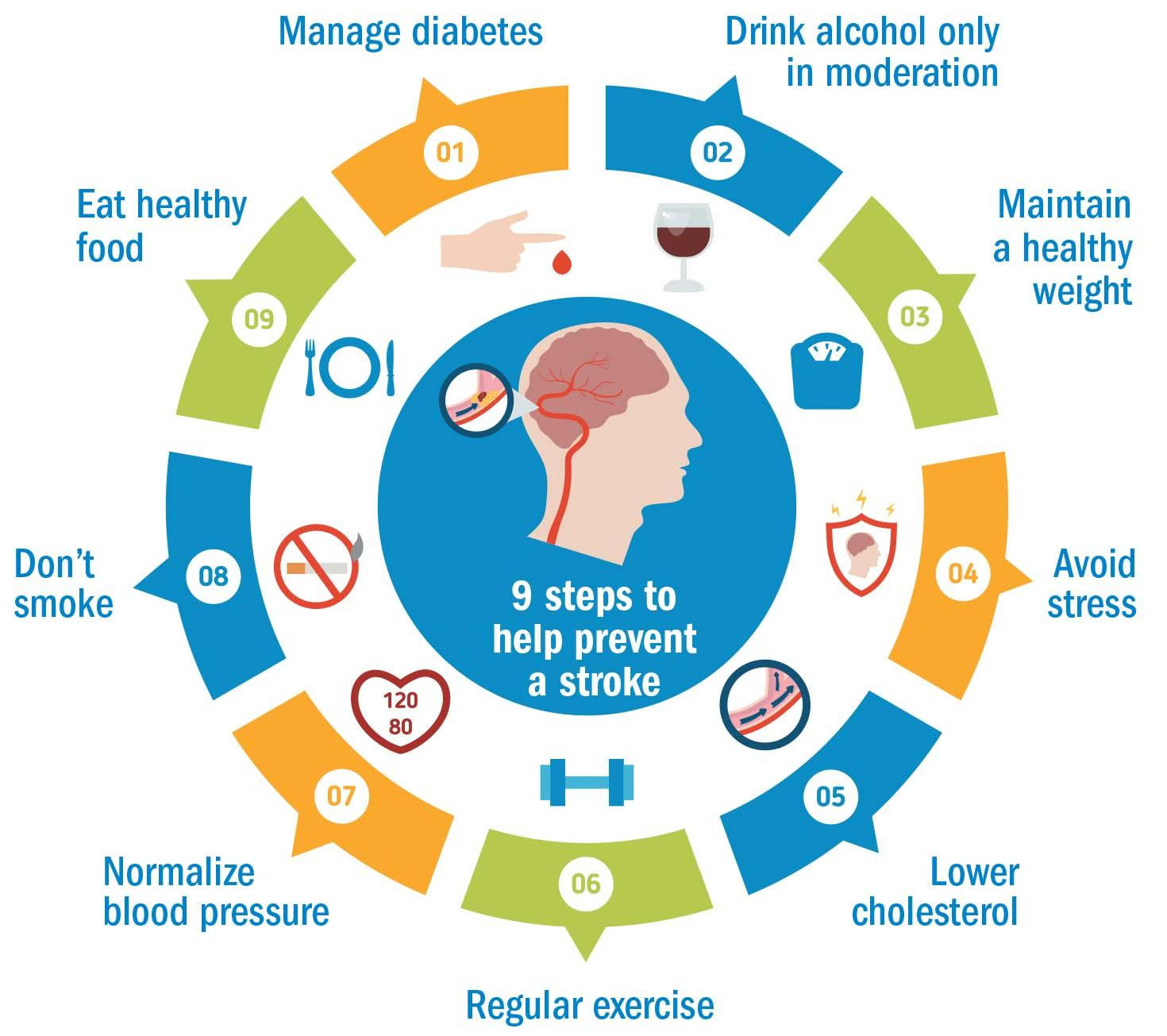
Reducing your stroke risk after a ministroke
A transient ischemic attack (TIA), or ministroke, is a serious warning sign for future stroke, especially in the first 48 hours. Medications plus lifestyle changes-healthy eating, regular exercise, and blood pressure control-can significantly lower that risk.

New thinking on beta blocker use
Beta blockers have long been standard treatment for people after a heart attack. New evidence suggests they may not help those whose hearts still pump normally, though the drugs remain important for heart attack survivors with reduced ejection fraction.

Safe and effective high-intensity interval training
High-intensity interval training alternates short bursts of hard effort with recovery, boosting aerobic fitness, heart health, and muscle in less time. For older adults, adjusting intensity to current fitness levels helps keep HIIT safe and effective.
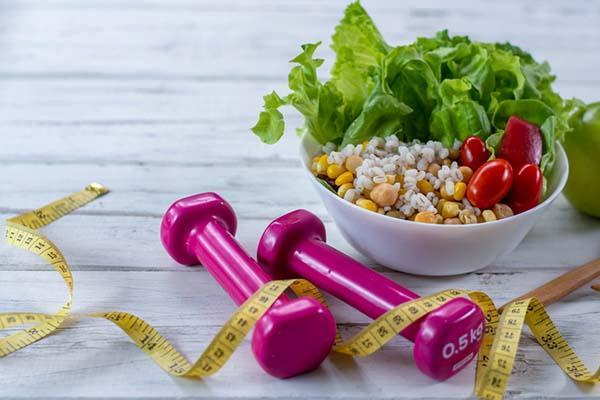
To lose weight, especially harmful belly fat, combine diet and exercise
A 2025 study found that increased physical activity and adherence to a Mediterranean diet each promoted a healthy weight and less build-up of harmful (visceral) body fat. Combining exercise plus a high-quality diet had the greatest benefit.
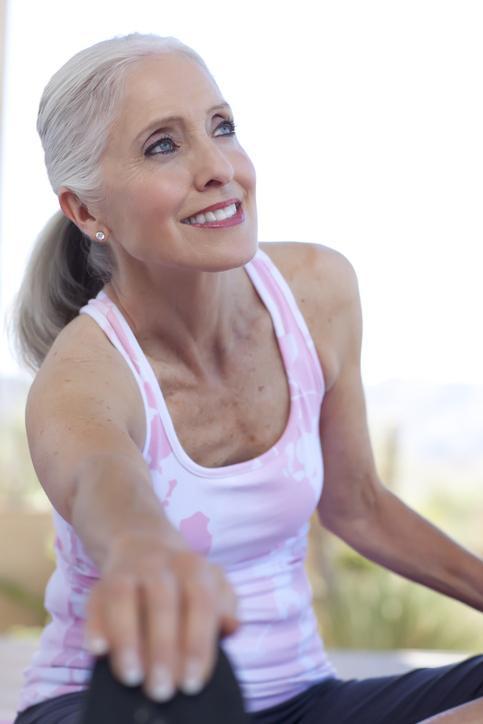
Women gain heart protection with far less exercise than men
A 2025 study suggested that women are less likely to develop coronary artery disease even when engaging in less moderate-to-vigorous exercise than men.

Women face barriers to cardiac rehab despite proven benefits
A 2025 scientific statement from the American Heart Association indicated that women with cardiovascular disease are far less likely than men with the condition to take part in cardiac rehabilitation programs, despite the proven benefits.

Social media posts about statins: Sorting fact from fiction
Social media posts tend to exaggerate side effects (such as muscle aches and memory problems) associated with statins and may spread invalid information about these drugs. This misinformation is a major threat to public health, according to a 2025 article.
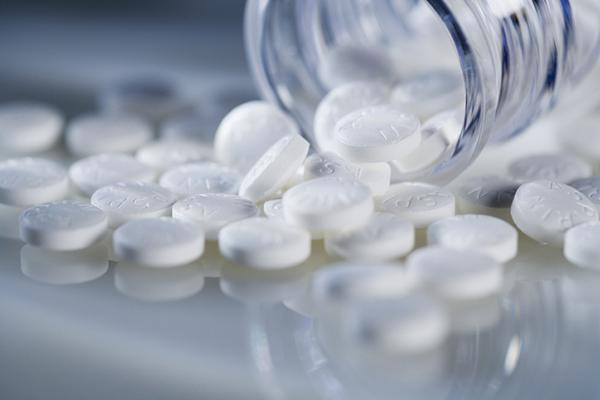
Updated risk calculator recommends less low-dose aspirin use
A 2025 analysis suggests that far fewer people are considered candidates for low-dose aspirin to prevent heart disease with the updated PREVENT risk calculator compared with the older risk calculator.

Reclining and lying down: More risky than sitting for heart health?
Reclining and lying down may be linked to worse cardiovascular health while short bouts of sitting or standing may reduce cardiovascular risk, according to a 2025 study.

Nighttime light exposure linked to heart disease
Higher exposure to light at night between 12:30 a.m. and 6 a.m. is linked to an increased risk of cardiovascular problems including coronary artery disease, stroke, atrial fibrillation, heart attack, and heart failure.
Hip bursitis vs. arthritis: How to tell the difference
Fitness for longevity: Which type matters most?
Ministrokes linked to elevated risk of dementia
Continuous glucose monitors benefit people who don't need insulin
CoQ10: Should you take this popular supplement if you're on a statin?
Microplastics: A hidden health threat?
Oat vs. dairy milk: Nutrition, benefits, and downsides
What is tempeh? Benefits, nutrition, and how to use it
Healing after food poisoning
Whole grains may improve several heart risk factors at once
Free Healthbeat Signup
Get the latest in health news delivered to your inbox!
Sign Up
