

Hip bursitis vs. arthritis: How to tell the difference

Fitness for longevity: Which type matters most?

Ministrokes linked to elevated risk of dementia

Continuous glucose monitors benefit people who don't need insulin

CoQ10: Should you take this popular supplement if you're on a statin?

Microplastics: A hidden health threat?

Oat vs. dairy milk: Nutrition, benefits, and downsides

What is tempeh? Benefits, nutrition, and how to use it

Healing after food poisoning

Whole grains may improve several heart risk factors at once
Heart Health Archive
Articles

Ask the doctor: Did I have a heart attack?
Q. The other night I woke up at about 2 a.m., and my heart was pumping hard and my lower jaw ached. It lasted about an hour, even though I took aspirin. Then I fell asleep. In the morning everything was fine. Was that a heart attack?
A. If you were my patient and you called my office and told me this, I would tell you to come right in and let me check you out. Probably it was not a heart attack, but the chance that it might have been is high enough that you need to be examined and tested. I hope that's what you did. If you didn't then, you should check with your doctor now.

Realizing the promise of Life's Simple 7
Making smart changes in behavior prevents damage to healthy and not-so-healthy arteries.
Every day, you make dozens of health-related decisions that influence the long-term well-being of your heart and arteries, from what you put in your mouth to how often you move. These lifestyle choices, along with factors such as high blood pressure, high cholesterol, or diabetes, may promote plaque buildup inside your arteries. Over time, that plaque (which contains fat, fibrous tissue, and often calcium deposits) may block blood flow, setting the stage for a heart attack or stroke.

Ask the doctor: High-elevation hiking with heart attack history?
Acclimate before hiking at high elevations. |
Q. I had a mild heart attack a few years ago but am now feeling fine. I'm planning a trip to Colorado. Is it safe for me to hike at high elevations?
A. If you're feeling well and don't have any cardiovascular symptoms, hiking in the Rocky Mountains should probably be fine, though you should check with your cardiologist first. Doctors used to advise people with cardiovascular conditions—even just high blood pressure—not to spend time at high altitudes. But there wasn't much evidence behind that recommendation. Now, there's a general consensus that ascending up to 12,000 feet should be fine for most people with heart disease. Exceptions include people with unstable cardiac disease, heart failure, or severe lung disease, such as pulmonary hypertension.

Angina and its silent cousin
When your heart's blood flow is restricted, pain is possible but not inevitable. Image: Thinkstock |
When your heart muscle doesn't get enough blood, chest pain is possible. But you might not feel anything at all.

The future of heart rhythm monitoring?
Small, wireless skin patches may offer a convenient way to diagnose—or rule out—arrhythmias.
An abnormal heart rhythm—when your heartbeat is too slow, too fast, or irregular—may be a fleeting, harmless event. But it might be a sign of a more serious heart condition. If you have frequent palpitations (which feel like your heart is pounding, racing, or fluttering) or unexplained fainting spells, your doctor may recommend a Holter monitor. This portable electrocardiogram (ECG) machine records your heart rhythm over a day or two.
Heart disease risks common in people with eczema
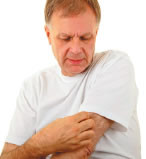
Eczema, an itchy, scaly skin disease that usually starts early in life, may make people more prone to heart disease and stroke, according to a study in the Jan. 8, 2015, Journal of Allergy and Clinical Immunology.
Researchers relied on data from more than 61,000 adults who took part in the 2010 and 2012 National Health Interview surveys. They found that people with eczema smoke and drink more and are less likely to exercise than people without the disease. (Sweating aggravates eczema, making exercise a challenge.) Other factors that boost heart disease risk—such as severe obesity, high blood pressure, and high cholesterol—were also more prevalent among people with eczema. So were sleep disturbances, which were linked to even higher odds of having those risk factors.
Trouble falling asleep linked to high blood pressure
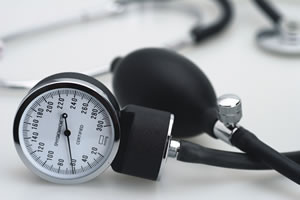
High blood pressure is one of the many health risks associated with not getting enough sleep, which is often caused by insomnia, or difficulty falling or staying asleep. Although often considered a nighttime problem, some people with insomnia may be in a state of "hyperarousal" that also makes it hard for them to nod off during the day. Now, new research suggests that people with chronic insomnia who also have trouble napping face a higher risk of high blood pressure.
The study, in the March 2015 issue of Hypertension, included more than 200 people with chronic insomnia (defined as insomnia that lasts more than six months) and almost 100 normal sleepers. All underwent daytime nap tests, which measures how quickly a person falls asleep in a quiet environment during the day. People with chronic insomnia who took longer than 14 minutes to fall asleep during the nap studies had three times the risk of high blood pressure compared with normal sleepers, the researchers found. Treatments such as medications and biofeedback to help dampen hyperarousal may be best for people with this type of insomnia, they suggest, although more research is needed.

Lower stress, lower your blood pressure
You can't see your blood pressure or feel it, so you may wonder why this simple reading is so important. The answer is that when blood pressure is high, your heart is working overtime to pump blood through your body. This extra work can result in a weaker heart muscle and potential organ damage down the road. Your arteries also suffer when your blood pressure is high. The relentless pounding of the blood against the arterial walls causes them to become hard and narrow, potentially setting you up for stroke, kidney failure, and cardiovascular disease.
A healthy lifestyle — not smoking, losing excess weight, eating nutritious foods, and exercising regularly — is the cornerstone for preventing and treating hypertension.

Atrial fibrillation: Living with a common heart condition
Preventing stroke is the top priority if your heart is beating irregularly. A variety of options can control symptoms.
A flutter in the chest and a racing heartbeat could be just a passing cardiac blip, perhaps triggered by emotional stress or too much caffeine. But sometimes it's a sign of atrial fibrillation—the irregular quivering of the heart's upper chambers, or atria.

Ask the doctor: Pacemakers and MRI scans
Q. I have a pacemaker and was told to never have an MRI scan. Is there any way around that?
A. In the past, people with pacemakers were told never to have magnetic resonance imaging (MRI), but in certain cases it may be safe.
Hip bursitis vs. arthritis: How to tell the difference
Fitness for longevity: Which type matters most?
Ministrokes linked to elevated risk of dementia
Continuous glucose monitors benefit people who don't need insulin
CoQ10: Should you take this popular supplement if you're on a statin?
Microplastics: A hidden health threat?
Oat vs. dairy milk: Nutrition, benefits, and downsides
What is tempeh? Benefits, nutrition, and how to use it
Healing after food poisoning
Whole grains may improve several heart risk factors at once
Free Healthbeat Signup
Get the latest in health news delivered to your inbox!
Sign Up
