

Hip bursitis vs. arthritis: How to tell the difference

Fitness for longevity: Which type matters most?

Ministrokes linked to elevated risk of dementia

Continuous glucose monitors benefit people who don't need insulin

CoQ10: Should you take this popular supplement if you're on a statin?

Microplastics: A hidden health threat?

Oat vs. dairy milk: Nutrition, benefits, and downsides

What is tempeh? Benefits, nutrition, and how to use it

Healing after food poisoning

Whole grains may improve several heart risk factors at once
Heart Health Archive
Articles
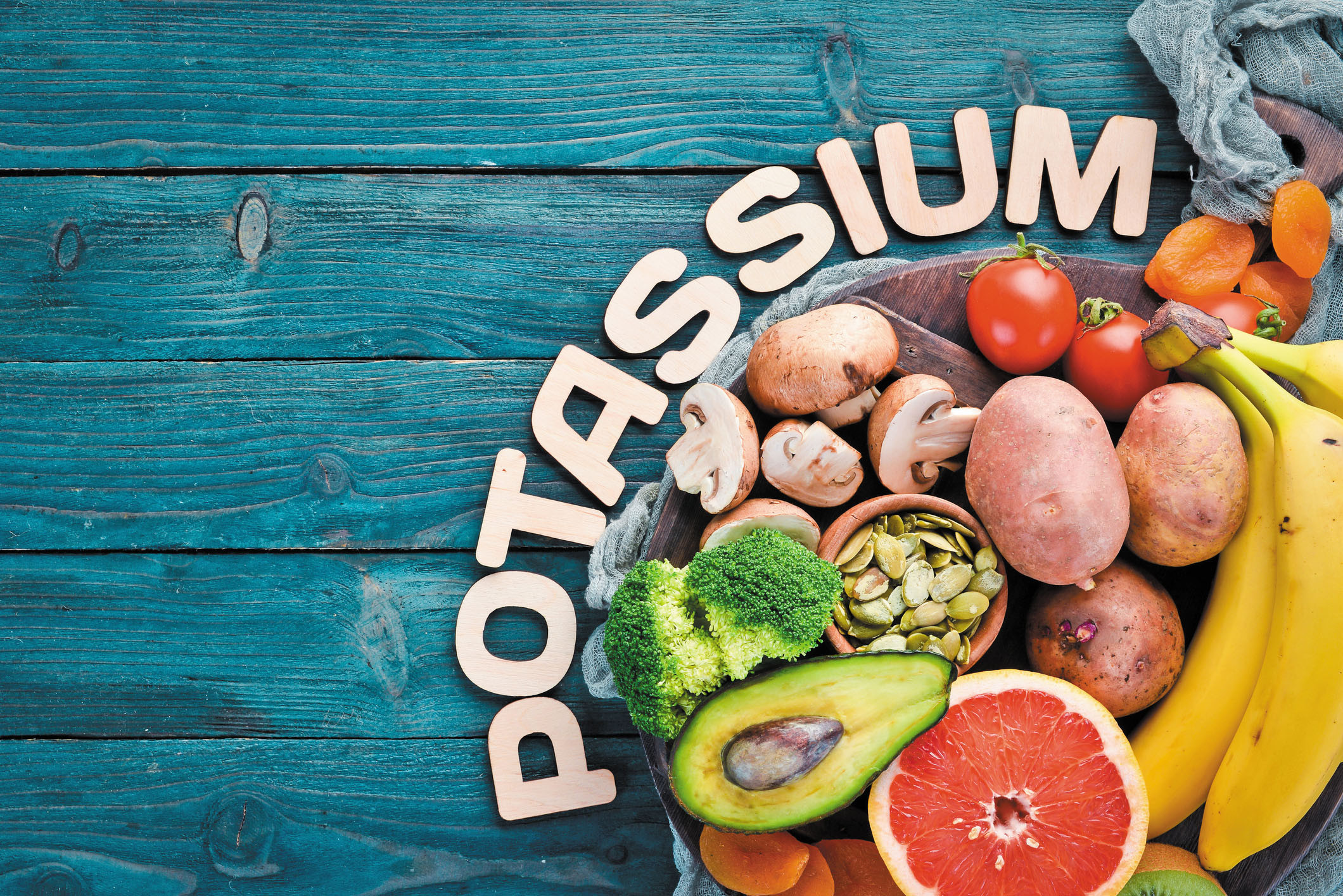
Adding potassium and subtracting sodium may equal better heart health
Consuming less sodium and more potassium may be linked to better heart health, according to a November 2021 study published in the New England Journal of Medicine. After controlling for other risk factors, the researchers found that for every extra 1,000 milligrams (mg) of sodium detected in the urine, there was an 18% increase in the risk of cardiovascular disease. For every extra 1,000 mg of potassium in the urine, there was an 18% decrease in risk.

Could a low-carb diet help your heart?
A 2021 study found that a low-carb diet may not necessarily be bad for heart health, despite its high saturated fat content. However, the study period was short, and the diet used in the trial was healthier than many low-carb approaches. More research is needed to confirm the results. In the meantime, experts recommend finding a sustainable diet that provides a healthy daily mix of nutritious foods instead of solely looking at carbohydrate content.

Meal of the month: Stir-fry supper
Stir-fries feature a healthy dose of vegetables combined with lean protein and a flavorful sauce. When served over steamed brown rice, stir fries are a good example of a well-balanced, nutritious meal.

Dealing with dizziness
Many people experience dizziness, or a feeling of being woozy or lightheaded, from time to time. In most instances it's triggered by a minor underlying problem, such as dehydration, a medication, or blood pressure fluctuations. Only rarely is dizziness caused by something more serious, such as a heart rhythm disturbance or stroke. However, even if dizziness isn't caused by something serious, it can lead to a dangerous fall, so it's important to prevent these episodes when possible. People should get emergency help for dizziness that is long-lasting, severe, or accompanied by other symptoms, such as difficulty walking or numbness.

Optimism, heart health, and longevity: Unraveling the link for Black Americans

New guidance on return to youth sports and activity after COVID-19

Scoring highly on Alternative Healthy Eating Index lowers risk for many illnesses

Drinking both coffee and tea linked to lower risks for stroke and dementia
A study published Nov. 16, 2021, in PLOS Medicine found that drinking two to three cups of coffee as well as two to three cups of tea per day was associated with substantially lower risks for dementia and stroke, compared with drinking no coffee or tea.

Do older adults benefit from blood pressure treatment?
A study published online Aug. 26, 2021, by The Lancet found that blood pressure treatment protects against heart attacks, strokes, and other major cardiovascular disease problems in people up to age 85 and possibly older. For people younger than 75, the study confirmed that people taking blood pressure medicines had 10% to 20% fewer cardiovascular disease problems. For people 75 to 84, there still was a 10% reduction. For people older than 85, the results were mixed, but there still appeared to be a benefit from blood pressure treatment.

Should you monitor this chronic inflammation marker?
Increasingly, tests that measure C-reactive protein are marketed to health-conscious consumers as a way of determining if they have chronic inflammation. However, the test is just one piece of evidence and should be interpreted by one's doctor. Without that expertise, a customer might not understand what the CRP test result means, and as a result might suffer unnecessary anxiety or pursue unnecessary tests. It's best to talk to one's doctor before seeking tests that measure CRP levels.
Hip bursitis vs. arthritis: How to tell the difference
Fitness for longevity: Which type matters most?
Ministrokes linked to elevated risk of dementia
Continuous glucose monitors benefit people who don't need insulin
CoQ10: Should you take this popular supplement if you're on a statin?
Microplastics: A hidden health threat?
Oat vs. dairy milk: Nutrition, benefits, and downsides
What is tempeh? Benefits, nutrition, and how to use it
Healing after food poisoning
Whole grains may improve several heart risk factors at once
Free Healthbeat Signup
Get the latest in health news delivered to your inbox!
Sign Up
