

Hip bursitis vs. arthritis: How to tell the difference

Fitness for longevity: Which type matters most?

Ministrokes linked to elevated risk of dementia

Continuous glucose monitors benefit people who don't need insulin

CoQ10: Should you take this popular supplement if you're on a statin?

Microplastics: A hidden health threat?

Oat vs. dairy milk: Nutrition, benefits, and downsides

What is tempeh? Benefits, nutrition, and how to use it

Healing after food poisoning

Whole grains may improve several heart risk factors at once
Hips Archive
Articles

Is it possible to prevent arthritis?
Even if arthritis runs in one's family, people can still lower their risk for the three most common types-osteoarthritis, rheumatoid arthritis, and gout-by adopting lifestyle and dietary changes.

Get out of your slump
People typically lose almost one-half inch every 10 years after age 40 with the loss in height becoming more pronounced after age 70. While natural aging is the main contributor, another leading factor is poor posture caused by weak and inflexible muscles. People can improve their posture by adopting a strength training program that focuses on the muscles of the upper back, chest, and core and doing regular stretching, including yoga and tai chi.

Strength training tied to smaller risk of knee osteoarthritis and pain later in life
In a 2023 study, people who engaged in regular strength training were less likely than those who didn't to develop knee pain and knee osteoarthritis as they approached their senior years.

Top 3 strategies to avoid ankle sprains
Three strategies can help keep the ankles strong, flexible, and healthy: strengthening the calf muscles with exercises such as calf raises; strengthening muscles that allow side movement of the ankle; and stretching the muscles in both the upper and lower part of the calves. It also helps to understand how the joint works and what factors can lead to a strain, such as an overstretched ligament on the side of the ankle.
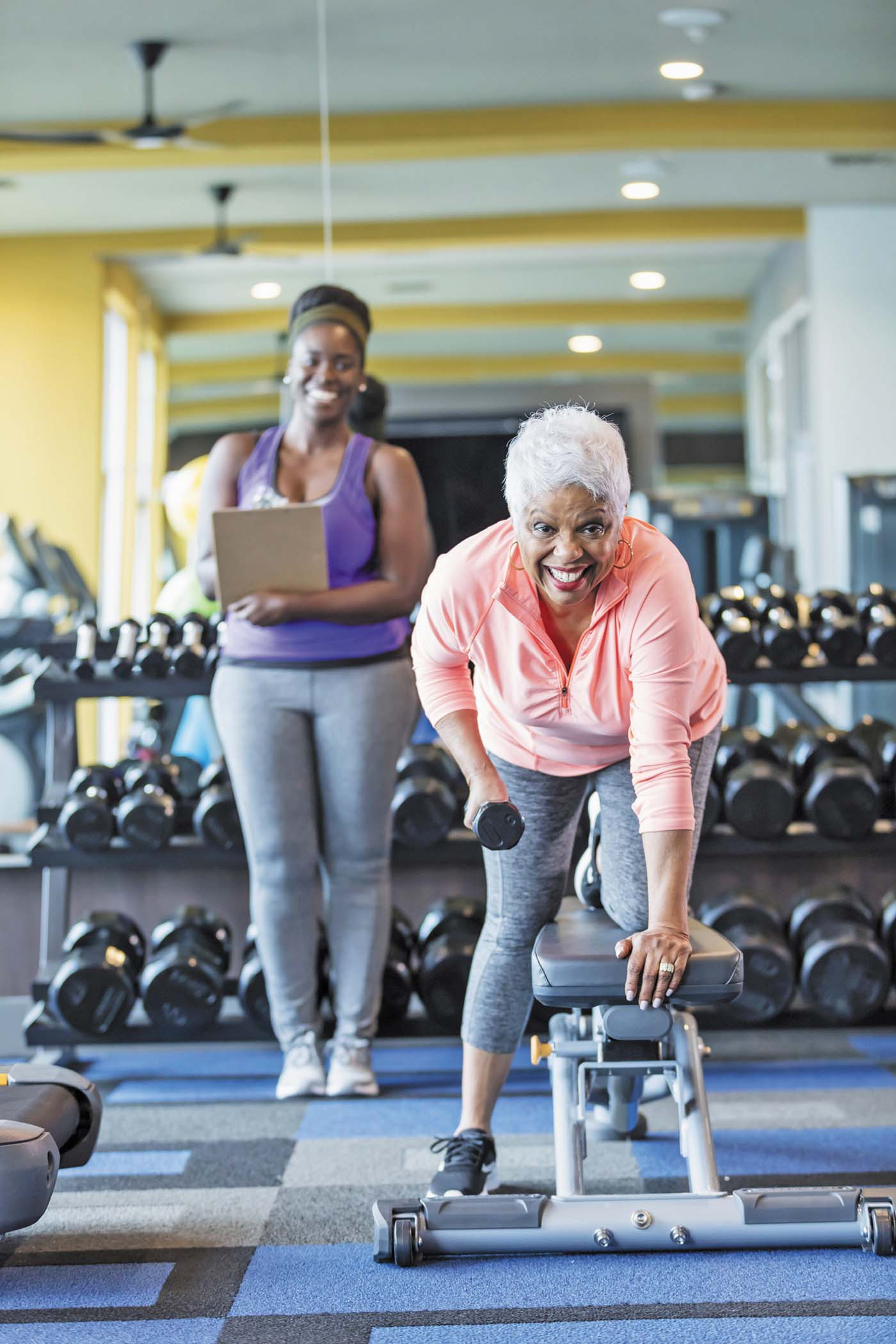
7 things your personal trainer wants you to know
It takes more than a weekly session with a personal trainer to maximize exercise benefits. Personal trainers recommend that people exercise in between training sessions; do strength training at the beginning of a workout; alternate the muscle groups that get a workout; challenge each muscle group with a variety of exercises; stretch regularly; eat a healthy diet to fuel the body; and exercise purposefully, with a strategic approach that moves them closer to their exercise goals.

Why are my heels cracked?
Cracks in the heels occur when the skin on the bottom of the heel becomes hard and parched. Applying thick moisturizers often helps. If it doesn't, other causes may include athlete's foot, hypothyroidism, Sjogren's syndrome, or bone spurs in the heels.

Holiday joy can bring painful joint inflammation
Drinking excessive amounts of alcohol and feasting on foods high in natural compounds called purines may trigger gout in some people. Purine-rich foods that might be found on a holiday buffet include roast beef, brisket, lamb or pork chops, veal, chicken liver, turkey, trout, haddock, scallops, oysters, mussels, lobster, shrimp, or crab. While it's not necessary to completely shun alcohol and foods high in purines, doctors advise limiting them and sticking to a plant-based diet when possible, even during the holidays.


Winter activity workarounds for hands that hurt
Hand arthritis makes it tough to do winter activities, such as preparing holiday feasts, shoveling snow, wrapping presents, or using walking or ski poles. It helps to plan out activities, break them up when possible, take lots of breaks, use tools to make the jobs easier, and enlist help if needed. For example, consider asking family and friends to assist with holiday meal prep, or hire a service to remove snow.

Do more for your core
A strong core serves as the foundation for upper- and lower-body movements. It helps maintain a healthy posture and prevents back injuries and falls. Like all muscles, the core muscles weaken as people age, so it's important for people to do core exercises on a regular basis. The best core exercises are movements that activate as many of the core muscles as possible at one time. Some examples include planks, diagonal chops, and deadbugs.
Hip bursitis vs. arthritis: How to tell the difference
Fitness for longevity: Which type matters most?
Ministrokes linked to elevated risk of dementia
Continuous glucose monitors benefit people who don't need insulin
CoQ10: Should you take this popular supplement if you're on a statin?
Microplastics: A hidden health threat?
Oat vs. dairy milk: Nutrition, benefits, and downsides
What is tempeh? Benefits, nutrition, and how to use it
Healing after food poisoning
Whole grains may improve several heart risk factors at once
Free Healthbeat Signup
Get the latest in health news delivered to your inbox!
Sign Up
