

Hip bursitis vs. arthritis: How to tell the difference

Fitness for longevity: Which type matters most?

Ministrokes linked to elevated risk of dementia

Continuous glucose monitors benefit people who don't need insulin

CoQ10: Should you take this popular supplement if you're on a statin?

Microplastics: A hidden health threat?

Oat vs. dairy milk: Nutrition, benefits, and downsides

What is tempeh? Benefits, nutrition, and how to use it

Healing after food poisoning

Whole grains may improve several heart risk factors at once
Immune and infectious diseases Archive
Articles

Can our brain talk to our immune system?
A 2025 study of 250 people found that the brain can tell the immune system to prepare for impending infection even before a microbe enters the body. Scientists asked volunteers to don virtual reality headsets that showed various virtual people approaching them. Some of those approaching appeared to be healthy and others appeared to be sick. Brain scans and blood tests showed that participants' brains activated their immune systems when a virtual sick person simply came near them.

The complicated risks of simple cold remedies
Over-the-counter cold remedies can be helpful, but they must be carefully considered before use. They contain drugs that can cause serious side effects, interact with other medications, and worsen certain health conditions. For example, decongestants can help ease a stuffy nose but also can increase blood pressure and heart rate. And cough suppressants can help someone stop coughing, but taking too much can cause dizziness, confusion, or even changes in mood or thinking.

Can the shingles vaccine protect my heart?
A 2025 study found that people who had received a shingles vaccination had lower risks for stroke and various types of heart disease, including heart failure and heart attacks, compared with people who didn't receive a shingles vaccine.

Do GLP-1 drugs reduce inflammation?
In a 2025 study of nearly a million people with diabetes, those who took GLP-1 drugs had a reduction of 10% to 20% in heart failure, cardiac arrest, lung failure and pneumonia, and dementia, compared with people who took other diabetes medications.

Infections, vaccines, and heart disease: What you need to know
Getting vaccinated against influenza (flu), COVID-19, and pneumonia is especially important for people who have cardiovascular disease. The coughing and congestion that commonly occur with respiratory infections can make breathing more difficult, and the potential drop in oxygen puts added stress on the heart. Serious infections sometimes trigger sepsis, which happens when the immune system is overwhelmed or goes into overdrive, causing symptoms such as a rapid heart rate, very fast breathing, and low blood pressure. These complications can lead to a heart attack.

Eating diverse flavonoid foods may provide extra health protection
Eating a variety of flavonoid-rich foods may offer greater protection against cardiovascular disease and cancer than eating only a few high-flavonoid foods, according to a 2025 study.

Why do we need new flu shots every year?
With influenza virus, a new vaccine must be developed each year to adapt to the virus's changing structure.

Why does my arm hurt after I get a shot?
Arm tenderness is the most common side effect after vaccination. The injection stretches muscle fibers and triggers an immune response, causing discomfort. People can counter pain by moving the injected arm afterward and applying a cool compress or ice pack.
Will we ever have a vaccine to prevent Alzheimer's disease?
There are currently nine trials of vaccines for Alzheimer's disease under way. All of them are in people with mild Alzheimer's or with the pre-Alzheimer's condition called mild cognitive impairment. All of the vaccines are designed to encourage the immune system to remove protein deposits from the brain. Most experimental vaccines are given by injection; one being tested at Harvard Medical School uses a nasal spray. It will be several years before we know if any of them will work.
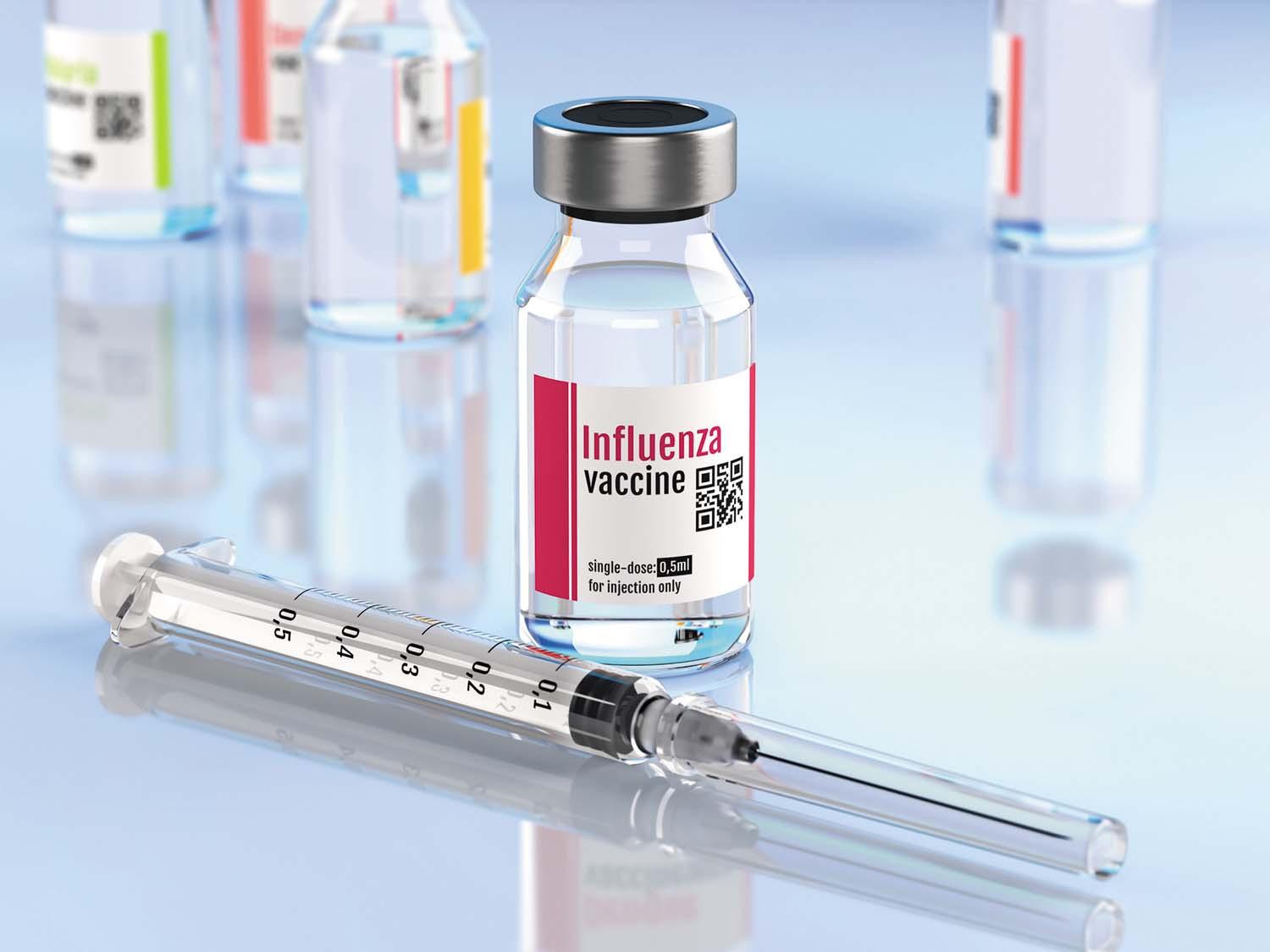
When will we see a "one-and-done" flu shot?
Scientists are trying to create a vaccine that would protect people against all different strains of the influenza (flu) virus. These vaccines are being designed to target parts of the flu virus that don't change regularly and so are consistent across all strains. The perfect vaccine would also prevent symptoms (since current vaccines help prevent hospitalization and death, but not symptoms), and its effects would last for a lifetime. While such a vaccine is still many years away from reality, improved flu vaccines are expected in the meantime.
Hip bursitis vs. arthritis: How to tell the difference
Fitness for longevity: Which type matters most?
Ministrokes linked to elevated risk of dementia
Continuous glucose monitors benefit people who don't need insulin
CoQ10: Should you take this popular supplement if you're on a statin?
Microplastics: A hidden health threat?
Oat vs. dairy milk: Nutrition, benefits, and downsides
What is tempeh? Benefits, nutrition, and how to use it
Healing after food poisoning
Whole grains may improve several heart risk factors at once
Free Healthbeat Signup
Get the latest in health news delivered to your inbox!
Sign Up
