

Hip bursitis vs. arthritis: How to tell the difference

Fitness for longevity: Which type matters most?

Ministrokes linked to elevated risk of dementia

Continuous glucose monitors benefit people who don't need insulin

CoQ10: Should you take this popular supplement if you're on a statin?

Microplastics: A hidden health threat?

Oat vs. dairy milk: Nutrition, benefits, and downsides

What is tempeh? Benefits, nutrition, and how to use it

Healing after food poisoning

Whole grains may improve several heart risk factors at once
Inflammatory bowel disease (IBD) Archive
Articles
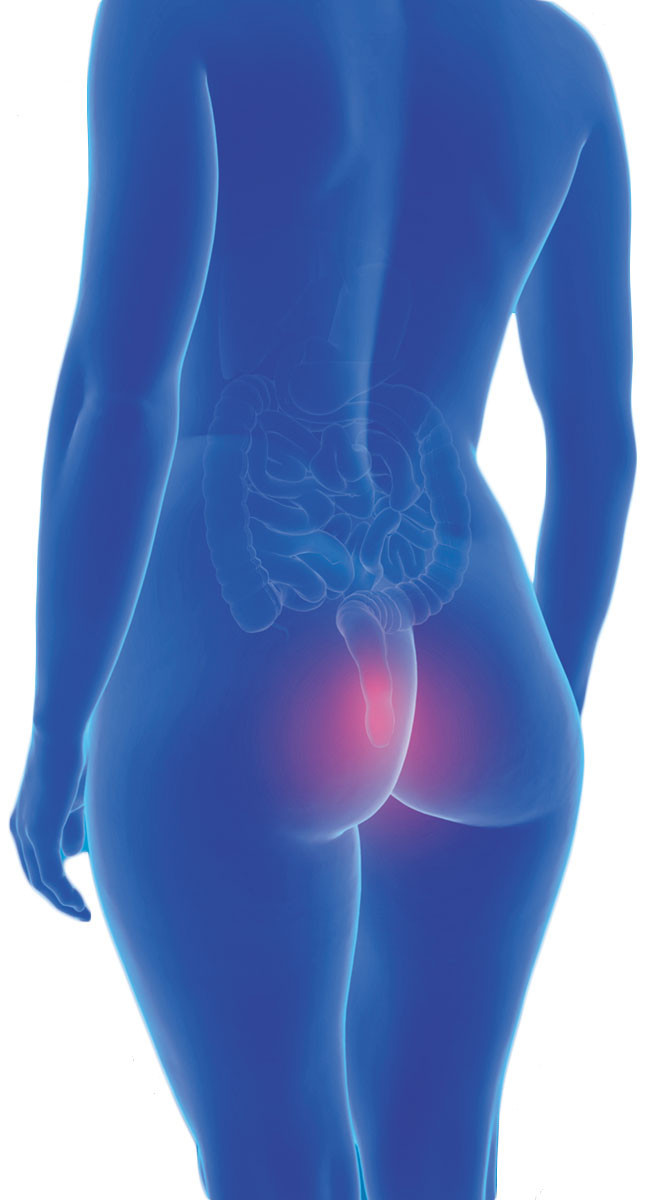
A pain in the rear
Everyone is born with the blood vessels that underlie hemorrhoids, but they may become problematic when they enlarge. Half of people have symptoms by age 50 that include pain, itching, swelling, and bleeding. Home remedies such as pain relievers, topical creams and ointments, sitz baths, and cold compresses don't eradicate hemorrhoids. In-office procedures can cut off blood supply to internal hemorrhoids, allowing them to fall off. Surgery is the only definitive treatment option for external hemorrhoids visible at the anus.

Healthy gut, healthy heart
The gut is home to trillions of microbes, collectively known as the gut microbiota, which help with digestion, manufacture certain nutrients, and release various substances that have wide-ranging health effects, including on cardiovascular health. As diet plays a significant role in the composition of the gut microbiota, people's diet can indirectly affect heart health. Following a plant-based diet that emphasizes less red meat and more fiber can support the gut and its heart-healthy benefits.

You don't say? Facts about flatulence
It's normal to accumulate and release gas; in fact, the average person releases two liters of gas per day. Certain foods can increase gas production since they take longer to digest.
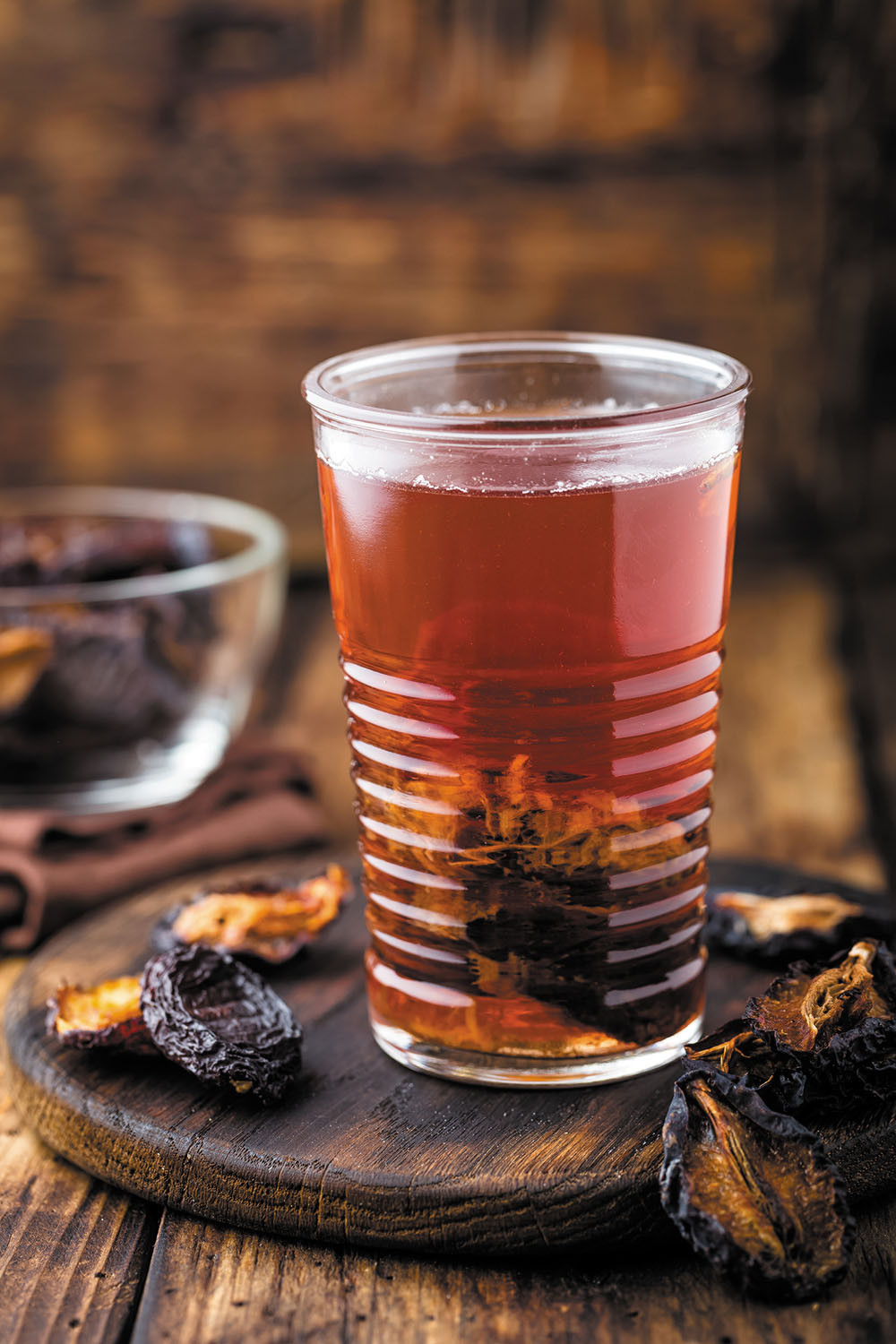
Prune juice for constipation? A new study says yes
Drinking about one cup of prune juice daily may help relieve chronic constipation, according to a 2022 study.
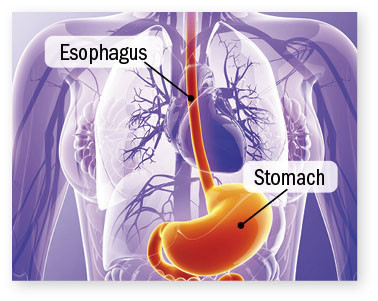
Heart disease and heartburn: What's the overlap?
Heartburn can cause chest pain that may be mistaken for a heart attack, and vice versa. Heartburn causes more a burning sensation and is more likely to occur after a large meal. Heart attacks are often described as a feeling of tightness or pressure and are more likely to occur after physical activity or stress. People who aren't sure about their symptoms should get to an emergency room for an evaluation as soon as possible.

How high a fever is too high?
A fever is the immune system's response to an infection or invader. Most fevers drop after people take over-the-counter medications. People should call a doctor if their fever reaches 103° F and go to an emergency room if it reaches 105°.

Do fermented foods live up to the hype?
Fermented foods and drinks such as kimchi, kombucha, and tempeh are increasingly popular, adding to mainstays such as yogurt, sauerkraut, and beer. Heat and bright lights during manufacturing can destroy some beneficial probiotics. Fermented products can ease digestion, dampen inflammation, boost nutrient absorption, and battle harmful bacteria. People should look for product labels that say "live and active cultures" and avoid shelf-stable versions, which don't contain probiotics.

Eating disorders in midlife
By age 40, one in five women has dealt with an eating disorder, twice the proportion of women known to be affected by age 21. Risks for anorexia, bulimia, and binge eating can rise at midlife due to job stressors, an empty nest, and dating again after divorce or widowhood. Health effects can include bone loss, heart problems, lung conditions, gastrointestinal issues, diabetes, and skin breakdown. Signs of an eating disorder include dramatic weight fluctuations, excessive exercising, and preoccupation with weight, calories, and body size and shape.

Cold-weather cautions
Wintertime can pose challenges to cardiovascular health. Cold temperatures can cause arteries to narrow, which can leave people with heart disease vulnerable to angina or heart attacks, especially during physical exertion. Changes in sleep, eating, and exercise habits related to the season may also affect the heart. Crowded indoor gatherings also raise a person's risk for respiratory infections, which can exacerbate heart disease.

Want to stay healthy over the holidays?
Another holiday season is here, and this year we need to contend with other viruses besides COVID-19. Three Harvard experts share their thoughts on the best ways to keep ourselves and our family members healthy as we celebrate holidays together.
Hip bursitis vs. arthritis: How to tell the difference
Fitness for longevity: Which type matters most?
Ministrokes linked to elevated risk of dementia
Continuous glucose monitors benefit people who don't need insulin
CoQ10: Should you take this popular supplement if you're on a statin?
Microplastics: A hidden health threat?
Oat vs. dairy milk: Nutrition, benefits, and downsides
What is tempeh? Benefits, nutrition, and how to use it
Healing after food poisoning
Whole grains may improve several heart risk factors at once
Free Healthbeat Signup
Get the latest in health news delivered to your inbox!
Sign Up
