

Hip bursitis vs. arthritis: How to tell the difference

Fitness for longevity: Which type matters most?

Ministrokes linked to elevated risk of dementia

Continuous glucose monitors benefit people who don't need insulin

CoQ10: Should you take this popular supplement if you're on a statin?

Microplastics: A hidden health threat?

Oat vs. dairy milk: Nutrition, benefits, and downsides

What is tempeh? Benefits, nutrition, and how to use it

Healing after food poisoning

Whole grains may improve several heart risk factors at once
Inflammatory bowel disease (IBD) Archive
Articles

Facts about fiber

Multisystem inflammatory syndrome in children — what parents need to know

The pandemic isn't over — particularly for people with disabilities
Five lifestyle factors that can help prevent gastroesophageal reflux disease

5 inflammation-fighting food swaps
Inflammation can be a beneficial sign that the body's immune system is fighting an infection, but it can also linger over time, damaging the body. There is evidence that eating a diet heavy in foods that promote inflammation can increase the risk for certain health problems, and also that a healthy diet can reduce inflammation.

Is IBD an underrecognized health problem in minority groups?
Inflammatory bowel disease (IBD) is a treatable condition once considered a disease that largely affects people who are white, although in recent years it has been diagnosed more often in other racial and ethnic groups, in the US and around the world. Recognizing this condition early can make a difference in care and quality of life.

COVID-19 vaccines for children and teens: What we do — and don't — know
Every day, more and more adults are getting vaccinated against COVID-19, helping us build toward herd immunity. But what about children and teens? What is the status of research on the vaccines in these groups, and when might vaccines be available for them?

COVID-19 vaccines and the LGBTQ+ community
A history of discrimination in multiple settings, including health care, may make some people who identify as LGBTQ+ hesitant to get a COVID-19 vaccine, even though the virus has disproportionately harmed this community. If you're struggling to make a decision, this may help you consider benefits and risks.

Harvard researchers: Pill-free approaches help control heartburn
News briefs
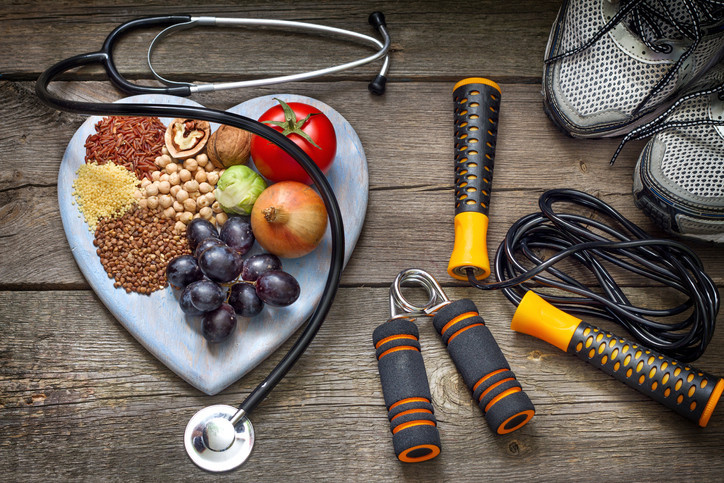
Living a healthy lifestyle may be one of the best things you can do to tame the heartburn of gastroesophageal reflux disease (GERD), suggests a research letter published online Jan. 4, 2021, by JAMA Internal Medicine. Harvard researchers analyzed the self-reported health information of about 43,000 middle-aged women who were followed for 10 years. Women who adhered to five healthy lifestyle factors, regardless of whether they took heartburn medication, appeared to prevent nearly 40% of their GERD symptoms each week. The pill-free approaches included maintaining a healthy body weight (a body mass index between 18.5 and 24.9); not smoking; getting 30 minutes daily of moderate-to-vigorous physical activity; limiting coffee, tea, or soda to no more than 2 cups per day; and eating a healthy diet. "Each one of these factors may prevent the inappropriate relaxation of the sphincter muscle between the stomach and the esophagus, helping to keep acid from refluxing up and causing heartburn. For example, carrying extra weight around the waist can push on the stomach, forcing stomach acid up into the esophagus," says Dr. Raaj S. Mehta, lead author of the study and a gastroenterology fellow at Harvard-affiliated Massachusetts General Hospital.
Image: © kate_sept2004/Getty Images

Why won't some health care workers get vaccinated?
Hip bursitis vs. arthritis: How to tell the difference
Fitness for longevity: Which type matters most?
Ministrokes linked to elevated risk of dementia
Continuous glucose monitors benefit people who don't need insulin
CoQ10: Should you take this popular supplement if you're on a statin?
Microplastics: A hidden health threat?
Oat vs. dairy milk: Nutrition, benefits, and downsides
What is tempeh? Benefits, nutrition, and how to use it
Healing after food poisoning
Whole grains may improve several heart risk factors at once
Free Healthbeat Signup
Get the latest in health news delivered to your inbox!
Sign Up
