

Hip bursitis vs. arthritis: How to tell the difference

Fitness for longevity: Which type matters most?

Ministrokes linked to elevated risk of dementia

Continuous glucose monitors benefit people who don't need insulin

CoQ10: Should you take this popular supplement if you're on a statin?

Microplastics: A hidden health threat?

Oat vs. dairy milk: Nutrition, benefits, and downsides

What is tempeh? Benefits, nutrition, and how to use it

Healing after food poisoning

Whole grains may improve several heart risk factors at once
Insomnia Archive
Articles

Is your sleep position helping or hurting you?
A variety of health conditions can be influenced by sleep position. Side sleeping helps people breathe easier, hampers heartburn, and is safer during pregnancy, but it may aggravate joint pain. Back sleeping keeps the spine straighter, but can intensify breathing problems, worsen heartburn, and cause other problems during pregnancy. People should talk to their doctor if they have a health condition that could be affected by the way they sleep, but otherwise can sleep in the position that is most comfortable for them.

Chronic insomnia may raise the risk of cognitive decline
People who suffer from chronic insomnia are more likely to develop cognitive problems and score lower on thinking and memory tests compared with individuals without chronic insomnia, a 2025 study suggests.

The 3 a.m. wake-up: Why it happens to women more often after 55
Waking up in the middle of the night happens to women more often after age 55 due to many factors. These include diminished hormones and circadian rhythm changes. Stress, bladder changes, medications, chronic pain, and alcohol and caffeine use can also contribute. People can break the cycle of nighttime wake-ups by practicing good sleep hygiene, addressing medical issues, trying mind-body techniques such as deep breathing or meditation, and limiting caffeine, alcohol, and heavy evening meals.

Yoga, tai chi, walking, and running may help with insomnia
Research suggests that exercise is beneficial in managing insomnia, but current guidelines don't specify which types may be most effective. A 2025 study found that yoga, tai chi, walking, and running were associated with reduced symptoms of insomnia.

5 timeless habits for better health
Influencers, news headlines, and well-meaning friends and family offer conflicting advice on wellness. Quick fixes and fads may do little for our health, and some even prove harmful. Try to work these five simple habits that can boost health and wellness into your everyday life.
Too much sleep may harm cognitive performance
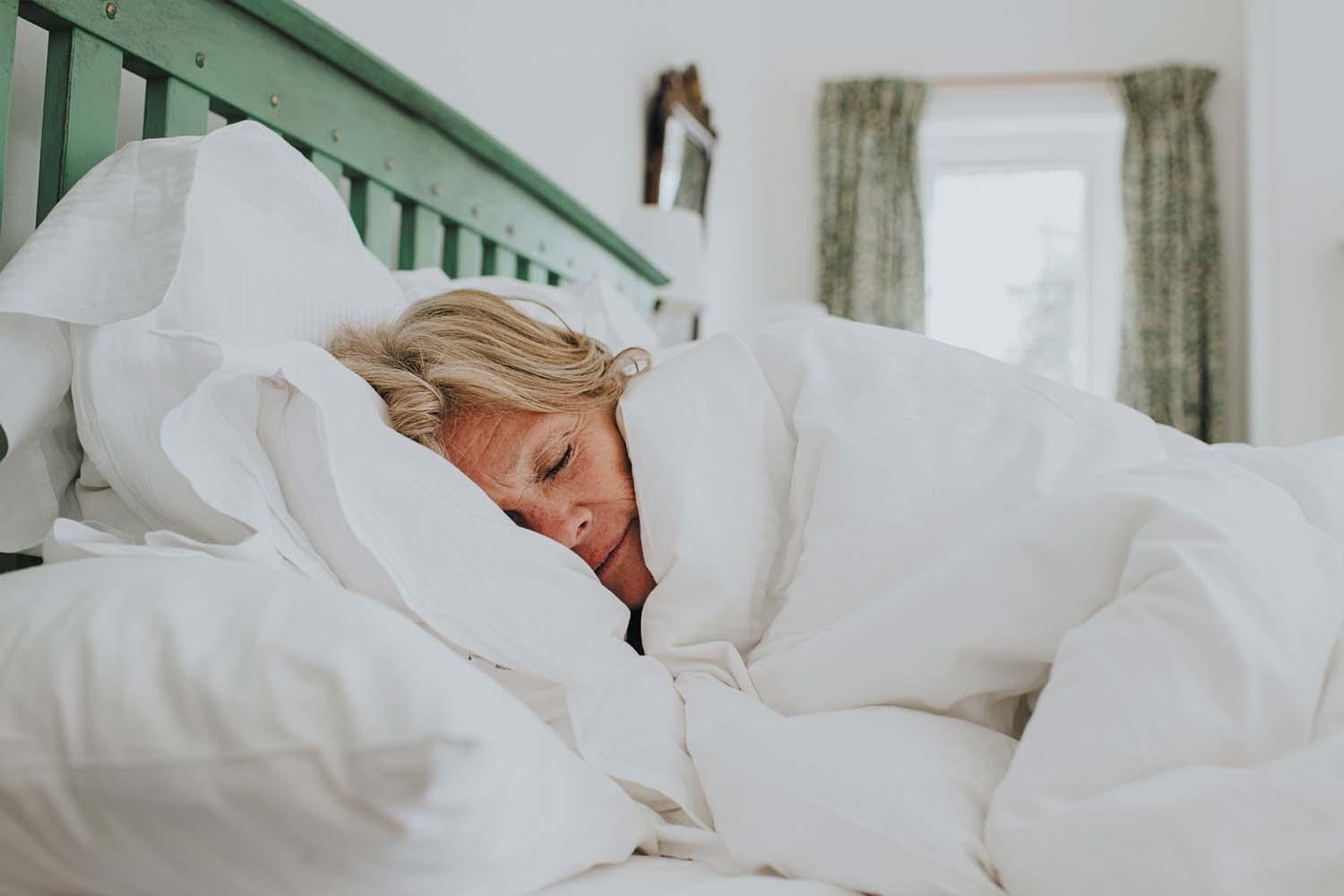
A 2025 study suggests that sleeping nine or more hours nightly is associated with worse cognitive performance, an effect that's stronger among people with symptoms of depression.


The many dimensions of a good night's sleep
Getting a sufficient amount of sleep is vital for heart health, but sleep continuity, timing, and regularity may also be important. Irregularities in these lesser-known dimensions of sleep health are not considered problems unless they impair a person's ability to function and quality of life. But emerging evidence suggest these sleep issues may affect cardiometabolic health. A sleep diary can help uncover potential issues.

Sleeping better when you have pain
Approximately 50 million adults experience some daily pain. These people usually encounter fluctuations in pain during the day, but in many cases, the pain worsens at night, disrupting sleep. Many strategies can be adopted to prevent and manage nighttime pain, such as doing a pre-bedroom relaxation routine, creating a healthy sleep environment, reframing negative thinking, changing sleeping positions, and using supportive pillows.

Wake-up to managing poor sleep
Guidelines recommend at least seven hours of sleep nightly for most healthy adults. But instead of fixating on a specific number of hours, experts suggest people focus on how well they sleep, also known as sleep quality. Improving sleep quality starts with recognizing the factors contributing to poor sleep. One way is for people to keep a sleep diary for one to two weeks to record details of their sleep experience. Afterward, they can review the information to identify any patterns that may be affecting their sleep and make adjustments.
Hip bursitis vs. arthritis: How to tell the difference
Fitness for longevity: Which type matters most?
Ministrokes linked to elevated risk of dementia
Continuous glucose monitors benefit people who don't need insulin
CoQ10: Should you take this popular supplement if you're on a statin?
Microplastics: A hidden health threat?
Oat vs. dairy milk: Nutrition, benefits, and downsides
What is tempeh? Benefits, nutrition, and how to use it
Healing after food poisoning
Whole grains may improve several heart risk factors at once
Free Healthbeat Signup
Get the latest in health news delivered to your inbox!
Sign Up
