

Hip bursitis vs. arthritis: How to tell the difference

Fitness for longevity: Which type matters most?

Ministrokes linked to elevated risk of dementia

Continuous glucose monitors benefit people who don't need insulin

CoQ10: Should you take this popular supplement if you're on a statin?

Microplastics: A hidden health threat?

Oat vs. dairy milk: Nutrition, benefits, and downsides

What is tempeh? Benefits, nutrition, and how to use it

Healing after food poisoning

Whole grains may improve several heart risk factors at once
Insulin resistance Archive
Articles

Is a thyroid-stimulating hormone level of 1.32 healthy?
A TSH result can be confusing without context. See what the number measures, how lab ranges vary and when other factors matter for thyroid health.

When should a high TSH lead to a higher thyroid hormone dose?
A rise in thyroid-stimulating hormone after thyroid removal can have several explanations, from medication timing to changes in absorption.

What might explain persistent sensitivity to cold?
Feeling unusually cold on a regular basis can have several explanations, from everyday factors to conditions worth checking.

Is it dangerous to have a high calcium level?
A high calcium result often turns up on a routine lab test. Possible causes range from overactive parathyroid glands to excess vitamin D.

Can diabetes cause joint pain that feels like arthritis?
Tendonitis, bursitis, frozen shoulder, and Charcot joint can all strike people with diabetes. They mimic arthritis but have different causes.
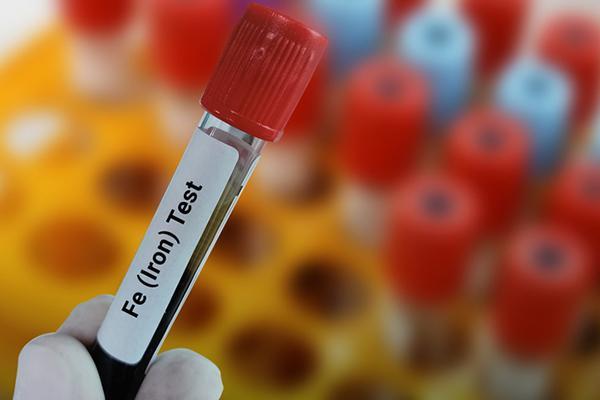
What does it mean if I have a high level of iron in my blood?
Elevated blood iron can result from supplements, genetic disorders, liver disease, or transfusions. Learn what doctors check next and common ways to reduce it.

Continuous glucose monitors: New guidelines recommend expanding CGM use for people with diabetes
The latest diabetes guidelines now recommend continuous glucose monitors for many people with type 2 diabetes. The real-time data from these devices may help reduce heart-related risks in people with diabetes by helping to reduce blood sugar, cholesterol, blood pressure and body weight.

Seven hours of sleep linked to better blood sugar regulation
A 2026 study found that sleeping 7.3 hours on weeknights may be associated with better blood sugar regulation by improving insulin sensitivity—how efficiently cells respond to insulin and absorb sugar from the bloodstream.

The sweet danger of sugar
People consume too much added sugar — extra amounts that food manufacturers add to products to increase flavor and extend shelf life — which can have a serious impact on heart health.

Can lifestyle changes reverse fatty liver disease?
A new fatty liver diagnosis can be a wake-up call. Explore how diet, exercise, weight loss, and cutting alcohol may help protect your liver.
Hip bursitis vs. arthritis: How to tell the difference
Fitness for longevity: Which type matters most?
Ministrokes linked to elevated risk of dementia
Continuous glucose monitors benefit people who don't need insulin
CoQ10: Should you take this popular supplement if you're on a statin?
Microplastics: A hidden health threat?
Oat vs. dairy milk: Nutrition, benefits, and downsides
What is tempeh? Benefits, nutrition, and how to use it
Healing after food poisoning
Whole grains may improve several heart risk factors at once
Free Healthbeat Signup
Get the latest in health news delivered to your inbox!
Sign Up
