

Hip bursitis vs. arthritis: How to tell the difference

Fitness for longevity: Which type matters most?

Ministrokes linked to elevated risk of dementia

Continuous glucose monitors benefit people who don't need insulin

CoQ10: Should you take this popular supplement if you're on a statin?

Microplastics: A hidden health threat?

Oat vs. dairy milk: Nutrition, benefits, and downsides

What is tempeh? Benefits, nutrition, and how to use it

Healing after food poisoning

Whole grains may improve several heart risk factors at once
Joint Replacement Archive
Articles

The heel problem that threatens your mobility
Thick, dead skin patches (calluses) on the heels sometimes become cracked. The condition, known as cracked heels, makes it hard to walk and increases the risk for infection, since cracks open the door for bacteria to enter the body. If infected, cracked heels can turn into foot wounds that become hard to heal, especially in people with diabetes or peripheral artery disease who have poor circulation in their legs and feet.

Casing the joints

Take on chronic pain where it lives

Chronic inflammation and your joints

Easing summer swelling

Tendon trouble in the hands: de Quervain's tenosynovitis and trigger finger
Painful conditions like de Quervain's tenosynovitis, inflammation of the tendons that move the thumb, and stenosing tenosynovitis, or trigger finger, when a digit becomes locked, can develop due to overuse or repetitive movement.

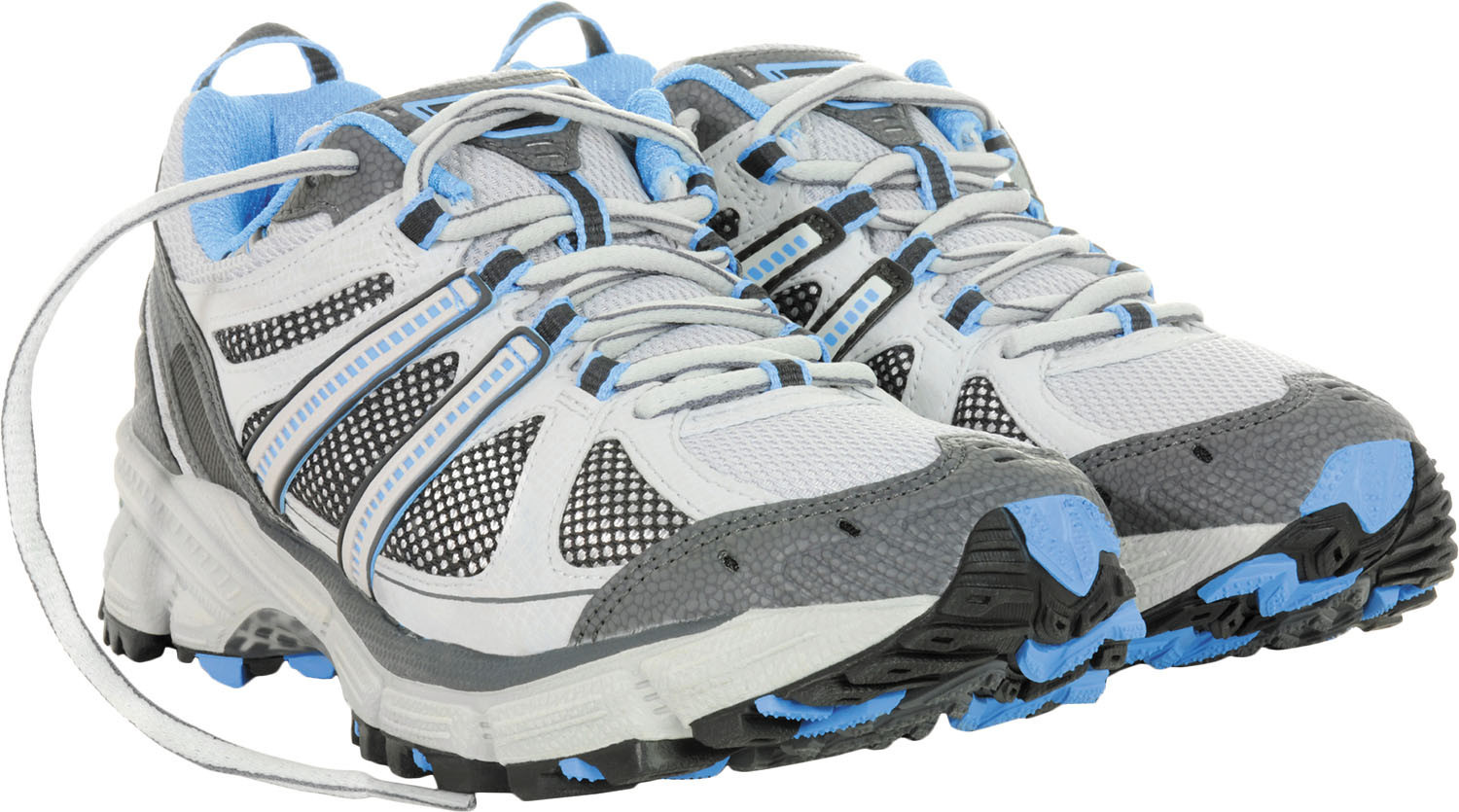
Study finds these shoes are better at keeping knee pain in check
News briefs
When you have knee pain, you just want it to go away so you can walk without having to limp or wince with every step. And a small, randomized trial published online Jan. 12, 2021, by Annals of Internal Medicine found that one type of shoe might be best for the job. Researchers took 164 people ages 50 or older with moderate or severe knee arthritis and randomly assigned half of the group to wear stable, supportive shoes with thick soles that didn't bend much. The other half was assigned flat shoes with thin, flexible soles, which are believed by some to provide a benefit by allowing more natural movement of the leg and foot. Both groups wore their assigned shoes for six hours per day and took part in activities such as walking during that time. After six months, 58% of people in the stable, supportive shoe group reported a reduction in knee pain while walking, compared with 40% of people reporting pain reduction after wearing the flat, flexible shoes. In both groups, the pain reduction probably was a benefit of regular walking. The people wearing flexible shoes were also twice as likely to develop ankle or foot pain, compared with those wearing sturdy shoes. So if you have knee pain, keep walking — in sturdy shoes.
Image: © chictype/Getty Images

Safety of LED nail lamps
Ask the doctors
Q. I was worried about drying my nails with a lamp or light box at the nail salon because of the potential risk of cancer from the ultraviolet radiation, but my salon recently switched to LED lamps. Are they safer?
A. The light boxes used to cure polish during gel manicures, and to dry traditional nail polish, have raised some concern because — like tanning beds — they emit ultraviolet A (UVA) radiation, which is associated with a higher cancer risk. A 2014 study in JAMA Dermatology found that the level of UVA exposure associated with a gel manicure every two weeks probably isn't high enough to increase the risk of skin cancer significantly, but you are wise to be aware of the issue.

Moving away from knee osteoarthritis
Men may avoid activity because of their knee pain, but movement is exactly what they need.
It is perhaps the ultimate exercise catch-22: it's hard to move with knee osteoarthritis, but moving helps relieve osteoarthritis knee pain.
More than 30 million Americans have osteoarthritis, the most common kind of arthritis. While osteoarthritis can affect the hips, lower back, neck, and fingers, it occurs most often in the knees. In fact, an estimated 10% of men ages 60 and older have symptoms of knee osteoarthritis.
Hip bursitis vs. arthritis: How to tell the difference
Fitness for longevity: Which type matters most?
Ministrokes linked to elevated risk of dementia
Continuous glucose monitors benefit people who don't need insulin
CoQ10: Should you take this popular supplement if you're on a statin?
Microplastics: A hidden health threat?
Oat vs. dairy milk: Nutrition, benefits, and downsides
What is tempeh? Benefits, nutrition, and how to use it
Healing after food poisoning
Whole grains may improve several heart risk factors at once
Free Healthbeat Signup
Get the latest in health news delivered to your inbox!
Sign Up
