

Hip bursitis vs. arthritis: How to tell the difference

Fitness for longevity: Which type matters most?

Ministrokes linked to elevated risk of dementia

Continuous glucose monitors benefit people who don't need insulin

CoQ10: Should you take this popular supplement if you're on a statin?

Microplastics: A hidden health threat?

Oat vs. dairy milk: Nutrition, benefits, and downsides

What is tempeh? Benefits, nutrition, and how to use it

Healing after food poisoning

Whole grains may improve several heart risk factors at once
Libido and sexual performance Archive
Articles

Women's group recommends more screenings for anxiety
Research we're watching
A national coalition of women's health organizations recommends screening all adolescent girls (ages 13 and older) and adult women for anxiety. The goal is to improve detection and treatment for this common condition. The Women's Preventive Services Initiative (WPSI) recommends screening to look for all types of anxiety disorders, such as panic disorder, social anxiety disorder, and generalized anxiety disorder, in addition to depression screenings, which are already recommended for adults, says the WPSI. It would be up to individual clinicians to determine how often to do the screenings and to refer women and girls for follow-up examinations and screening.
Image: fizkes/Getty Images

Hormonal treatments for prostate cancer are often given late
Men with advanced prostate cancer are typically treated with drugs that cause testosterone levels to plummet. Testosterone is a hormone that fuels growing prostate tumors, so ideally this type of treatment, which is called androgen deprivation therapy (ADT), or hormonal therapy, will stall the disease in its tracks. For that to happen, ADT has to […]


An emerging link between the urinary microbiome and urinary incontinence
The discovery that the urinary tract has a microbiome analogous to the one in the digestive tract has led to research showing that in women with urinary incontinence, their urinary microbiome differs from those in women who do not have urinary incontinence.

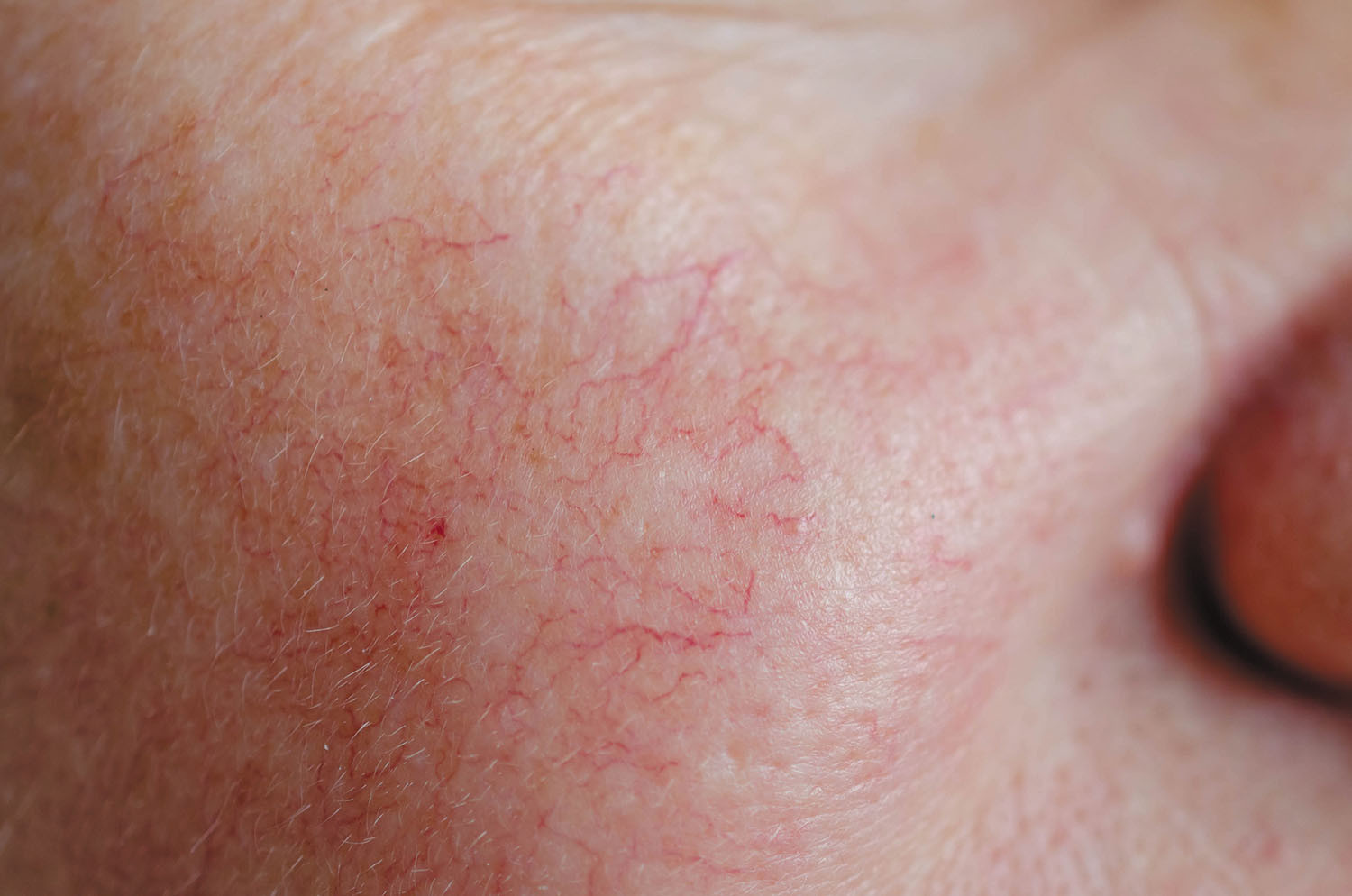
Rosacea can flare at menopause
Tips to help you treat this common skin condition.
You thought you left acne behind you in your teen years, but here you are at midlife with a breakout. But it might not be what you think. Rosacea is often mistaken for acne, and the condition, which most often begins after age 30, sometimes flares at menopause, says Dr. Suzanne Olbricht, an associate professor of dermatology at Harvard Medical School.
A common skin condition affecting some 16 million Americans, rosacea most often develops in people with fair skin who blush easily. Rosacea is sometimes mistaken for sunburn, a naturally ruddy complexion, or even an allergic reaction. It produces a number of skin problems, including
Can I do anything to prevent urinary incontinence?
Ask the doctors
Q. I'm hoping to prevent urinary incontinence. Is there anything I can do?
A. Nearly half of all women experience some type of urinary incontinence during the course of their lives. It may not be possible to prevent all of these cases, which can be caused by pregnancy, childbirth, or hormonal shifts that occur around the time of menopause. Here are some strategies that may help to reduce your risk.

Can I outwalk breast cancer?
Ask the doctors
Q. I've heard that walking could reduce my risk of breast cancer. Is this true?
A. Yes, it's true. Walking is not only a great form of exercise to help keep your heart healthy, it could potentially reduce your risk of breast cancer. One 2013 study, published in Cancer Epidemiology, Biomarkers & Prevention, found that women who walked seven hours a week — an hour a day on average — had a 14% lower chance of getting breast cancer when compared with women who walked three hours a week or less. The benefit was seen even in women who were at higher risk for breast cancer, including those who were overweight or who were taking hormone therapy. It's not clear how walking helps, but experts speculate that physical activity might help keep the body's levels of estrogen and insulin in check. Both of these hormones can fuel breast cancer, so regulating them more effectively could reduce your risk.
A new hormonal therapy for prostate cancer is under expedited FDA review
In June, the US Food and Drug Administration (FDA) launched an accelerated review of a promising new drug for advanced prostate cancer. Called relugolix, it suppresses testosterone and other hormones that speed the cancer’s growth. If approved, this new type of hormonal therapy is expected to set a new standard of care for the disease. […]

Can a daily pill lighten heavy menstrual bleeding caused by fibroids?
Hip bursitis vs. arthritis: How to tell the difference
Fitness for longevity: Which type matters most?
Ministrokes linked to elevated risk of dementia
Continuous glucose monitors benefit people who don't need insulin
CoQ10: Should you take this popular supplement if you're on a statin?
Microplastics: A hidden health threat?
Oat vs. dairy milk: Nutrition, benefits, and downsides
What is tempeh? Benefits, nutrition, and how to use it
Healing after food poisoning
Whole grains may improve several heart risk factors at once
Free Healthbeat Signup
Get the latest in health news delivered to your inbox!
Sign Up
