

Hip bursitis vs. arthritis: How to tell the difference

Fitness for longevity: Which type matters most?

Ministrokes linked to elevated risk of dementia

Continuous glucose monitors benefit people who don't need insulin

CoQ10: Should you take this popular supplement if you're on a statin?

Microplastics: A hidden health threat?

Oat vs. dairy milk: Nutrition, benefits, and downsides

What is tempeh? Benefits, nutrition, and how to use it

Healing after food poisoning

Whole grains may improve several heart risk factors at once
Libido and sexual performance Archive
Articles
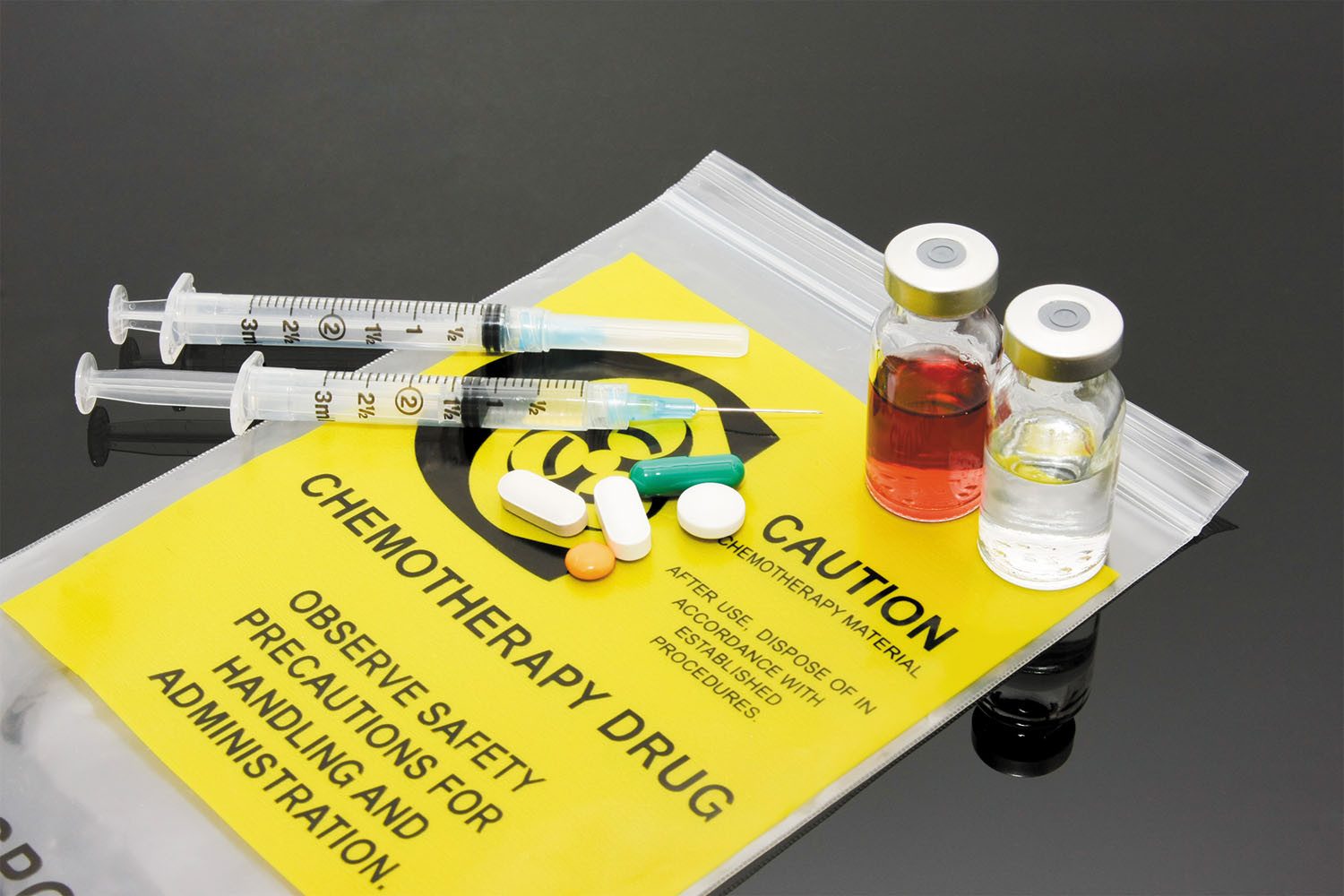
Treatments for breast cancer may harm the heart
But surveillance and other strategies — especially exercise — can limit the risk.
Image: © Khuong Hoang/Getty Images
Better treatments for breast cancer have contributed to the growing number of breast cancer survivors, now about three million in the United States. However, these women may face a heightened risk of heart disease from the cardiotoxic effects of chemotherapy and radiation, according to a statement from the American Heart Association in the Feb. 20, 2018, issue of Circulation.
Doctors have long known that certain cancer drugs can decrease the heart's pumping ability, especially doxorubicin (Adriamycin) and trastuzumab (Herceptin), two common treatments for breast cancer. Many women receive radiation therapy as well, which can cause heart tissue to scar or stiffen, possibly leading to valve disorders, coronary artery disease, or other heart problems. But specialists who focus on keeping the heart healthy during and after cancer treatment — known as cardio-oncologists — can offer strategies to both prevent and treat heart damage from cancer therapy.



A mix of treatments may extend life for men with aggressive prostate cancer
Combining multiple forms of radiation therapy with hormone treatments lengthens survival in men with aggressive prostate cancer.
A mix of treatments may extend life for men with aggressive prostate cancer
For men diagnosed with aggressive cancer that’s confined to the prostate and nearby tissues, the overarching goal of treatment is to keep the disease from spreading (or metastasizing) in the body. Doctors can treat these men with localized therapies, such as surgery and different types of radiation that target the prostate directly. And they can […]

FDA approves new drug for men at high risk of prostate cancer spread
Men whose PSA levels continue rising even after surgery or radiation therapy may have a new treatment option with the approval of the drug apalutamide.

High-dose, shorter radiation therapy effective for some prostate cancer
In the journals
Men with intermediate-risk prostate cancer may benefit more from a shorter duration of hypofractionated radiation therapy (HRT) than from standard radiation therapy. With both types of radiation therapy, the total amount of radiation is given in multiple sessions over a set period. Compared with standard radiation therapy, HRT uses larger doses over a shorter period of time.
A study in the Nov. 4, 2017, European Urology Focus analyzed data of 3,553 men with prostate cancer, 65% of whom had intermediate-risk prostate cancer. The men were randomized to get either a one-month program of HRT or the standard radiation treatment regimen given over two months. After an average of five to six years, the intermediate-risk men who had HRT were less likely than men who got standard radiation therapy to have their prostate cancer return.
FDA approves new drug for men at high risk of prostate cancer spread
A newly approved drug called apalutamide is giving hope to thousands of men confronting a tenacious problem after being treated for prostate cancer. Prostate-specific antigen (PSA) levels should plummet to zero after surgery, and to near zero after radiation therapy, but in some men, they continue rising even when there’s no other evidence of cancer […]
Hip bursitis vs. arthritis: How to tell the difference
Fitness for longevity: Which type matters most?
Ministrokes linked to elevated risk of dementia
Continuous glucose monitors benefit people who don't need insulin
CoQ10: Should you take this popular supplement if you're on a statin?
Microplastics: A hidden health threat?
Oat vs. dairy milk: Nutrition, benefits, and downsides
What is tempeh? Benefits, nutrition, and how to use it
Healing after food poisoning
Whole grains may improve several heart risk factors at once
Free Healthbeat Signup
Get the latest in health news delivered to your inbox!
Sign Up
