

Hip bursitis vs. arthritis: How to tell the difference

Fitness for longevity: Which type matters most?

Ministrokes linked to elevated risk of dementia

Continuous glucose monitors benefit people who don't need insulin

CoQ10: Should you take this popular supplement if you're on a statin?

Microplastics: A hidden health threat?

Oat vs. dairy milk: Nutrition, benefits, and downsides

What is tempeh? Benefits, nutrition, and how to use it

Healing after food poisoning

Whole grains may improve several heart risk factors at once
Lung cancer Archive
Articles
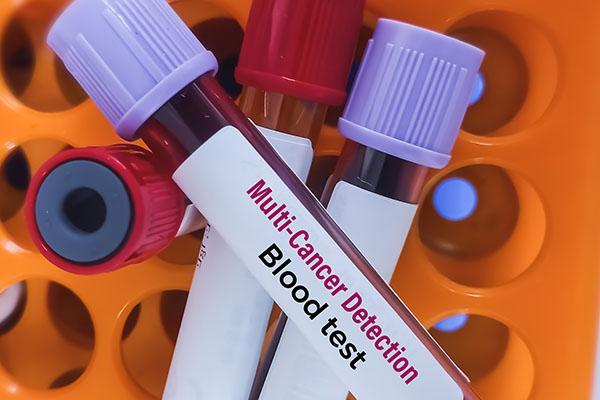
A blood test that checks for dozens of different cancers?
Multi-cancer early detection (MCED) tests offer the potential to detect up to 50 types of cancer from a single blood draw. Most cancer deaths stem from cancers for which there is no screening test. MCED tests may find evidence of less common but more lethal types like ovarian and pancreatic cancer. But before considering one of these tests (which can be requested online), people should understand the limitations, including the high cost and possibility of false positive results.
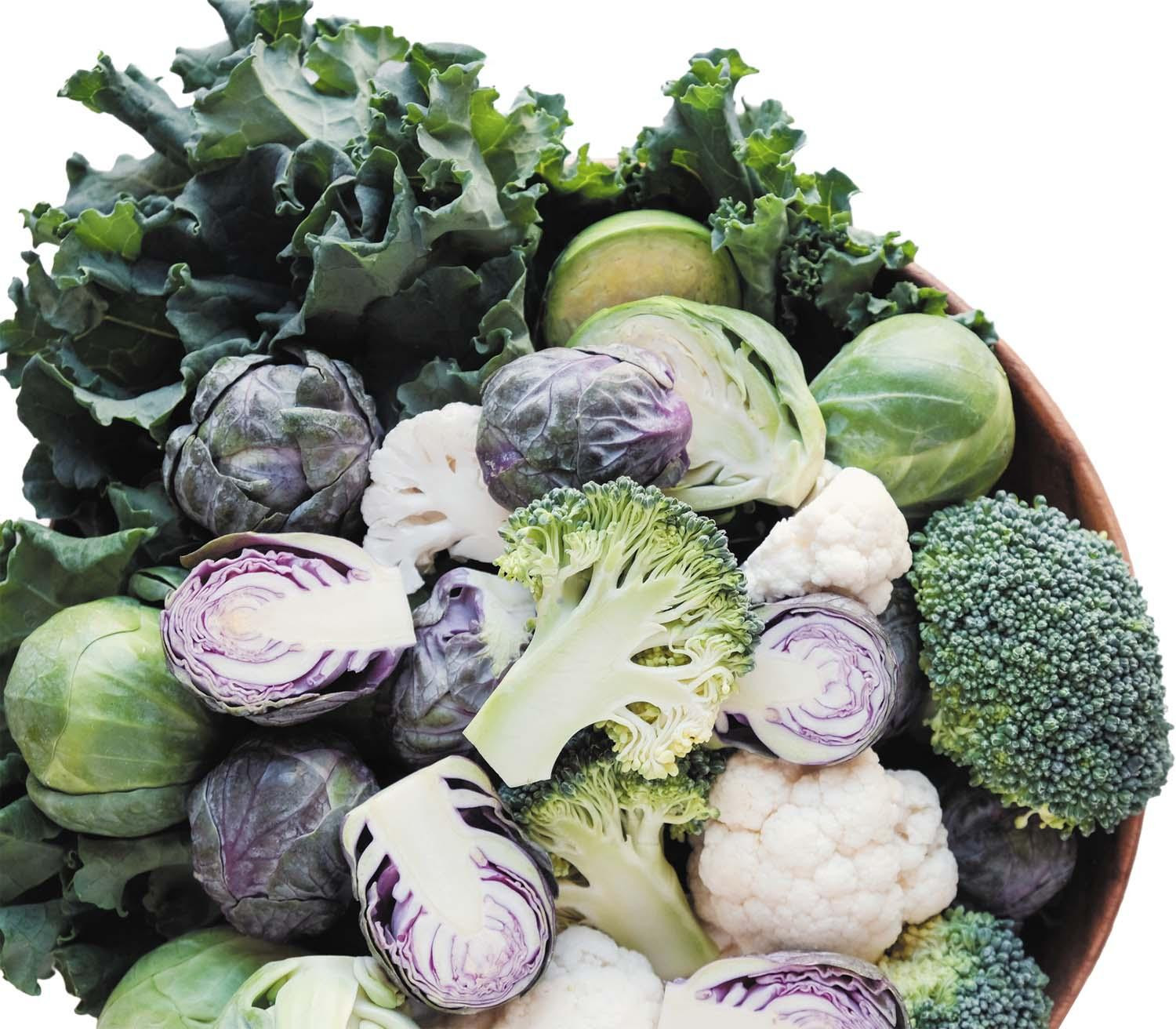
How many servings of cruciferous vegetables should you eat to fight colon cancer?
A 2025 study that included 97,000 people found that those who ate the most cruciferous vegetables-between 20 and 40 grams per day-had a 17% lower risk of developing colon cancer, compared with people who ate the least.

Respiratory syncytial virus (RSV) tied to heart problems
A 2025 study suggests that respiratory syncytial virus (RSV) can lead to heart-related complications, such as a heart attack, chronic heart failure, or an irregular heartbeat-even in people without a previous heart condition.

Prostate cancer diagnoses on the rise, says study
More men are being diagnosed with prostate cancer, according to a 2025 study. Black men have a higher incidence of cancer and are twice as likely to die from the condition compared with white men.

Exercise may inhibit breast cancer growth
A 2025 study suggests that even a single session of resistance training or high-intensity interval training increases levels of certain proteins that can inhibit breast cancer cell growth, potentially contributing to a lower risk of recurrence.
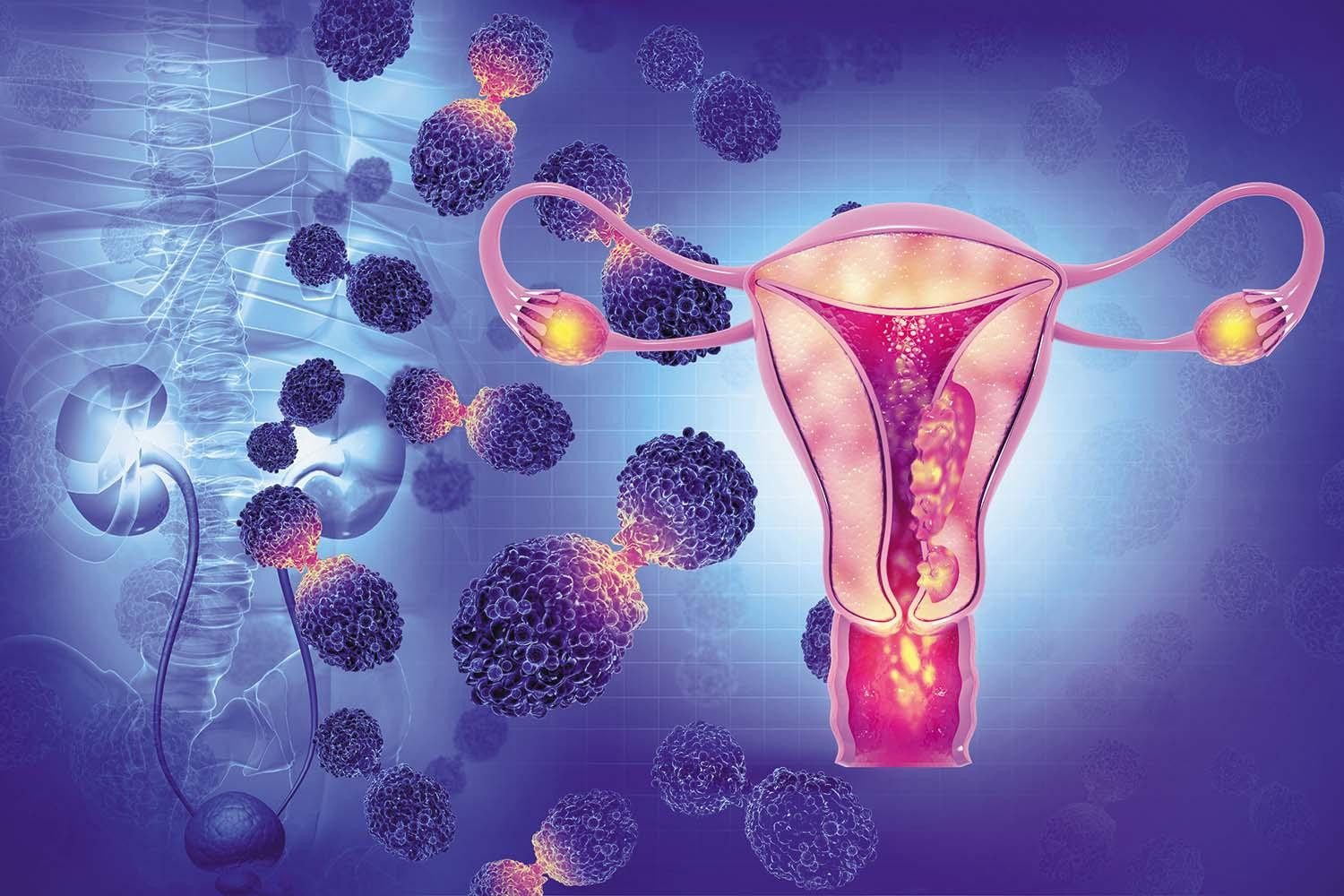
What raises your risk for gynecologic cancer?
Gynecologic cancers, which affect the ovaries, uterus, cervix, vagina, or vulva, are less common than breast cancer. Women can guard against these cancers by learning the risk factors for each type, which include obesity, exposure to human papillomavirus, and smoking. Women should also continue pelvic exams and cervical cancer screenings after a hysterectomy or menopause, as well as watch for unusual symptoms. Women with a strong family history of gynecologic or certain other cancers should consider genetic testing.

Lessons from women on longevity
Women live longer than men. However, that longevity gap in the United States has increased to 5.8 years, the largest gap since 1996, according to a 2024 study. Why the widening gap? Researchers believe that in many cases, women are better than men at addressing certain health needs that contribute to longer lives, such as losing excess weight, quitting smoking, getting regular skin check-ups, and not ignoring mental health issues.
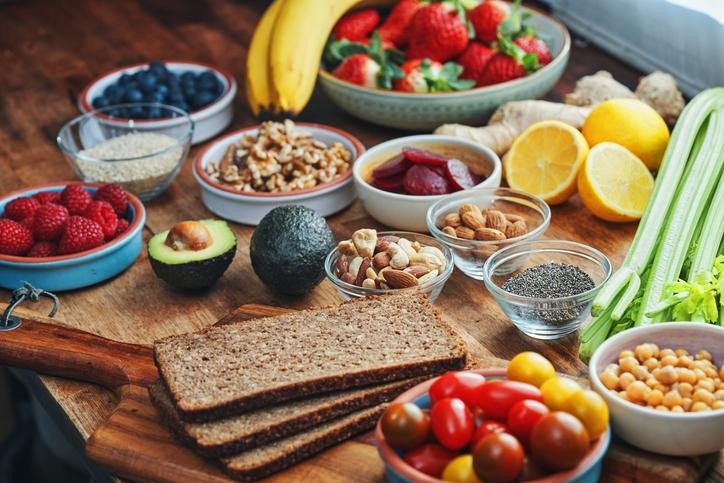
DASH diet tied to lower colorectal cancer risk
A 2025 research review found that adhering to the DASH diet-which emphasizes eating fruits, vegetables, lean protein, whole grains, nuts, and low-fat dairy products-is linked to a lower risk of developing colorectal cancer.
Exercise boosts colon cancer survival
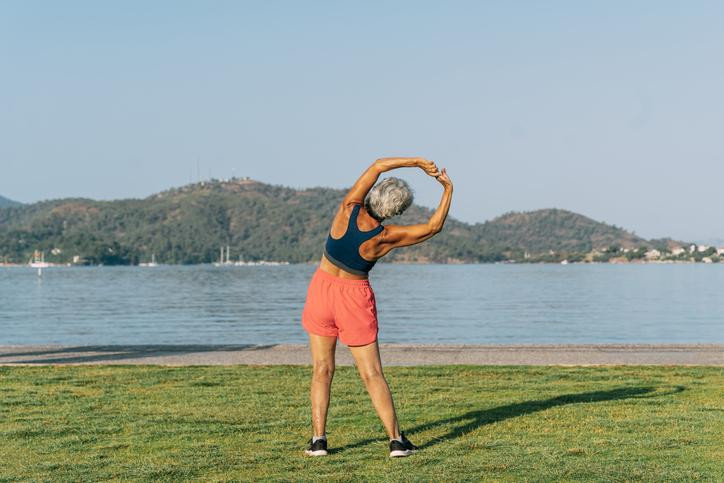
In a 2025 study of about 900 people treated for colon cancer (followed for an average of eight years), people who took part in a supervised exercise program for three years had about 30% better odds of surviving, compared with people who weren't in the program.

Extreme heat endangers older adults: What to know and do
The surge in heat waves and extreme heat poses serious health risks for everyone but is a particular worry for older adults. What can you do to manage heat-related risks, especially if you have existing health conditions or take certain medications?
Hip bursitis vs. arthritis: How to tell the difference
Fitness for longevity: Which type matters most?
Ministrokes linked to elevated risk of dementia
Continuous glucose monitors benefit people who don't need insulin
CoQ10: Should you take this popular supplement if you're on a statin?
Microplastics: A hidden health threat?
Oat vs. dairy milk: Nutrition, benefits, and downsides
What is tempeh? Benefits, nutrition, and how to use it
Healing after food poisoning
Whole grains may improve several heart risk factors at once
Free Healthbeat Signup
Get the latest in health news delivered to your inbox!
Sign Up
