

Hip bursitis vs. arthritis: How to tell the difference

Fitness for longevity: Which type matters most?

Ministrokes linked to elevated risk of dementia

Continuous glucose monitors benefit people who don't need insulin

CoQ10: Should you take this popular supplement if you're on a statin?

Microplastics: A hidden health threat?

Oat vs. dairy milk: Nutrition, benefits, and downsides

What is tempeh? Benefits, nutrition, and how to use it

Healing after food poisoning

Whole grains may improve several heart risk factors at once
Managing chronic conditions Archive
Articles

Does professional memory training work?
Are you worried about your memory? You can go it alone and teach your-self techniques for strengthening your memory. Or, you can get pro-fessional memory training. Some medical centers offer memory training programs in which people meet every week or so to learn memory enhancement techniques, then practice them as homework. Another alternative is to attend a series of individual sessions with a clinician who specializes in memory and other cognitive problems. Such a specialist can recommend specific strategies for the types of memory problems that affect you.
If you are considering a memory enhancement program, choose one that is run by a health professional with specialized training in cognitive rehabilitation. Some people benefit from individual treatment, where their particular needs can be identified and addressed.

When dieting doesn't work
Most diets can help you lose weight, but that weight is frequently regained within a few months — a fact supported by an analysis of more than 100 research trials on diets. But losing weight is easier, and more likely to be permanent, if you choose a diet with foods you actually like.
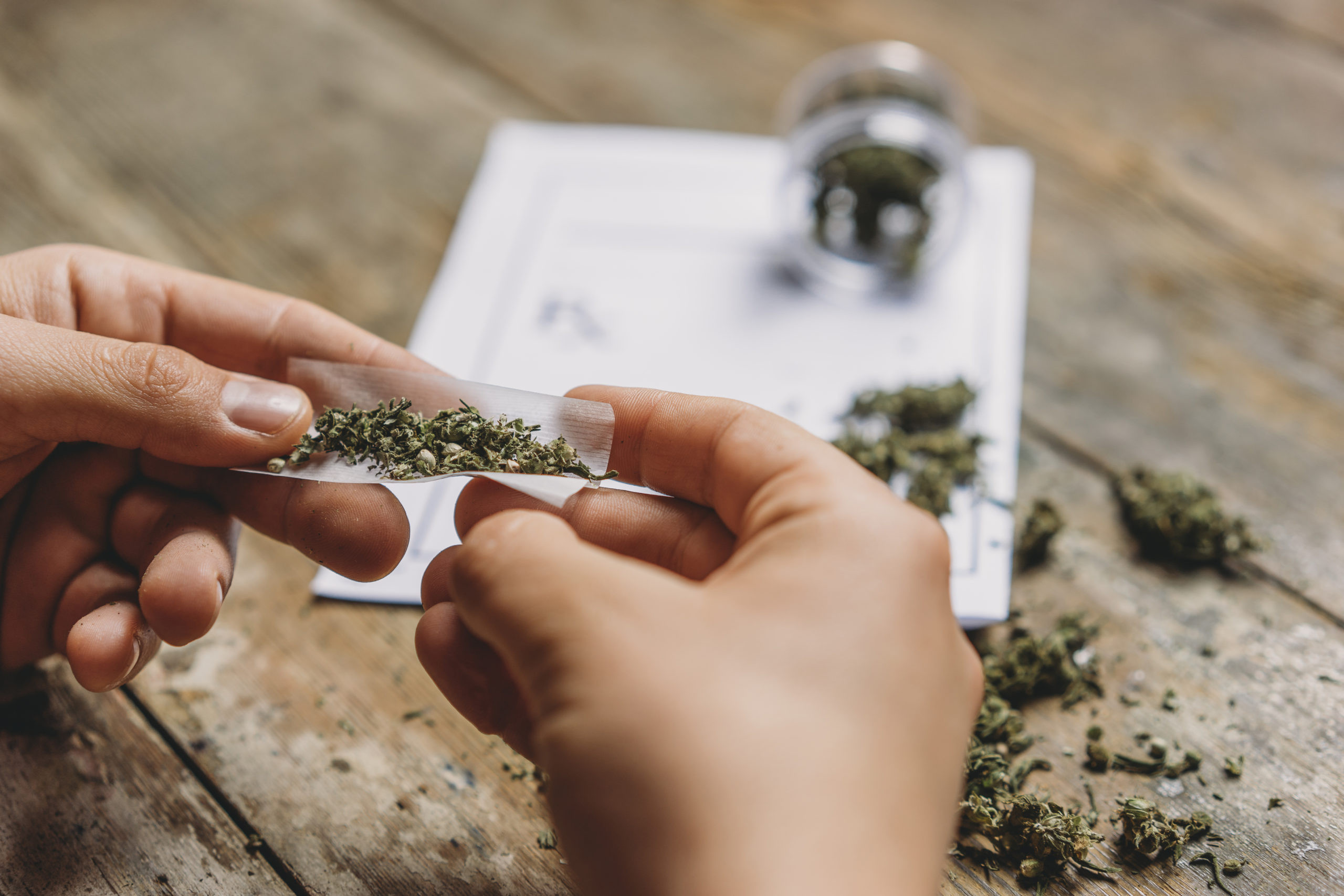
If cannabis becomes a problem: How to manage withdrawal
There is disagreement over whether or not there is such a thing as a cannabis withdrawal syndrome, but it's definitely real, and with increased availability of legal marijuana and other products, even those who use it medicinally need to be aware of the symptoms, and what to do if they think they have it.

Perfecting your walking technique
People are often surprised to learn that there's more to walking than simply putting one foot in front of the other. In fact, a little technique goes a long way to making your walks more enjoyable and more effective. Technique is especially important if you are hoping to become fitter and lose weight, because it will enable you to walk faster and longer. When you're standing tall, your muscles will move through a greater range of motion for a more powerful stride. Improving your walking posture will help you to look and feel more confident, too—and you'll look slimmer before losing a single pound. It will also help alleviate aches and pains and allow you to take deep breaths for more energy.
For any type of walking
The following rules will help you maintain good form.

The "hip hike" exercise for building hip strength
The hip hike is used to build hip strength if you're about to get into a running or walking program. It's easy, but you can also perform the hip hike by holding a chair to steady yourself. Make sure you're standing on a low, but stable, platform before you begin.
The "alphabet exercise" for foot and ankle strength
It's easy. Make believe your big toe is a pencil and sketch out the alphabet. These muscle movements will help build foot and ankle strength, which aids balance and helps prevents falls. You can learn more at the Harvard online course Exercises for Bone Strength.
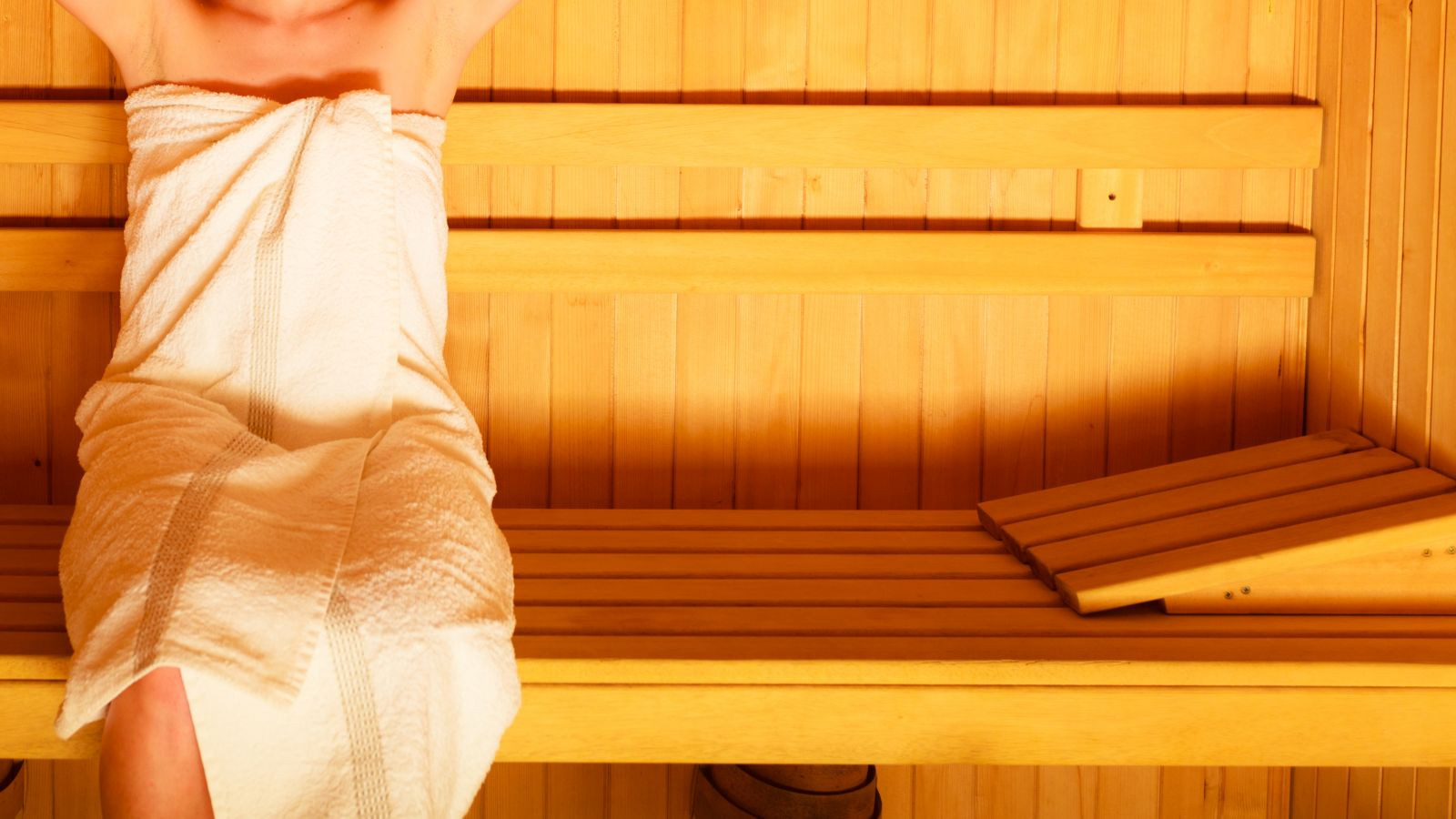
Sauna Health Benefits: Are saunas healthy or harmful?
A sauna benefits your heart health, as long as you practice sauna safety
A saunas' dry heat (which can get as high as 185° F) has profound effects on the body. Skin temperature soars to about 104° F within minutes. The average person will pour out a pint of sweat during a short stint in a sauna. The pulse rate jumps by 30% or more, allowing the heart to nearly double the amount of blood it pumps each minute. Most of the extra blood flow is directed to the skin; in fact, the circulation actually shunts blood away from the internal organs. Blood pressure is unpredictable, rising in some people but falling in others.
Saunas appear safe for most people. However, people with uncontrolled high blood pressure and heart disease should check with their doctors before taking a sauna.


Which painkiller is safest for you?
It's more important than ever to consider your particular health risks before popping a nonprescription pain reliever.
Have a headache, muscle strain, or maybe arthritis pain? Don't reach for just any over-the-counter (OTC) remedy. Nonsteroidal anti-inflammatory drugs (NSAIDs) such as ibuprofen (Advil, Motrin), naproxen (Aleve), and aspirin are commonly used OTC painkillers. So is acetaminophen (Tylenol). For decades, these drugs were thought to be entirely safe — justifying the ability to purchase them without a doctor's prescription.
But the thinking on OTC painkillers has changed now that we know more about their risks. And it's especially important to navigate these medications with care. Here are guidelines to help you narrow the options.

Is it safe to eat fish?
Ask the doctor
Q. You recommend eating fish twice a week. However, I've read that fish contain toxins and microplastics. Is it really safe to eat fish?
A. Most options in life contain both benefits and risks. Foods are no exception. Eating fish has potential benefits (largely from the omega-3 fats they contain) and risks (from the toxins). Do the benefits exceed the risks? That question has been addressed by research — much of it by colleagues here at Harvard. The answers are different for different people, and for different types of fish.
Hip bursitis vs. arthritis: How to tell the difference
Fitness for longevity: Which type matters most?
Ministrokes linked to elevated risk of dementia
Continuous glucose monitors benefit people who don't need insulin
CoQ10: Should you take this popular supplement if you're on a statin?
Microplastics: A hidden health threat?
Oat vs. dairy milk: Nutrition, benefits, and downsides
What is tempeh? Benefits, nutrition, and how to use it
Healing after food poisoning
Whole grains may improve several heart risk factors at once
Free Healthbeat Signup
Get the latest in health news delivered to your inbox!
Sign Up
