

Hip bursitis vs. arthritis: How to tell the difference

Fitness for longevity: Which type matters most?

Ministrokes linked to elevated risk of dementia

Continuous glucose monitors benefit people who don't need insulin

CoQ10: Should you take this popular supplement if you're on a statin?

Microplastics: A hidden health threat?

Oat vs. dairy milk: Nutrition, benefits, and downsides

What is tempeh? Benefits, nutrition, and how to use it

Healing after food poisoning

Whole grains may improve several heart risk factors at once
Managing chronic conditions Archive
Articles

Is wooziness a serious warning sign?
Wooziness is often just a passing episode of lightheadedness. But it might signal something very serious, such as a stroke or heart attack. When wooziness occurs, one should sit or lie down for a few minutes, rest, and have a drink of water or juice. If wooziness eases, it's best to report the episode to your doctor. If lightheadedness hasn't improved or if it's accompanied by other symptoms, such as chest pain, trouble speaking, or weakness or numbness on one side of the body, call 911 immediately.

Wildfires: How to cope when smoke affects air quality and health
Wildfire smoke contributes greatly to poor air quality, and as wildfires become more frequent due to climate change and drier conditions, more of us and more of our communities are at risk for health harms. Here are ways to cope.


Do collagen supplements fulfill their promises?
The protein collagen supports skin, hair, nail, bone, joint, and muscle health. As people age, natural collagen production drops. Some early research suggests collagen supplements offer benefits, but people should ask their doctor about the pros and cons.

Heat wave hazards
Certain medications can leave people more vulnerable to heat-related effects or the sun's rays. The medications can raise the risk of dehydration, make people sweat too much or too little, impair the body's ability to regulate temperature, or raise the risk of getting a bad sunburn. In addition, higher temperatures may damage some medicines, including diuretics, blood pressure drugs, some antidepressants, thyroid replacement hormones, and some over-the-counter antihistamines.

Substituting plant oils for butter can lead to better health
People who consume plant-based oil instead of butter may have a lower risk of death from cancer and cardiovascular disease, according to a 2025 study. These oils have more heart-healthy unsaturated fats, which help lower cholesterol levels and chronic inflammation.

Morning blue light therapy may offer many benefits for older adults
Daily morning exposure to blue-enriched light can improve sleep quality and increase activity levels in older adults, according to a 2025 study. Researchers believe morning blue light "wakes up" the brain, which increases alertness and synchronizes the sleep-wake cycle.

High temperatures may make natural mosquito repellents less effective
Mosquito repellents that rely on certain natural substances may not be as effective when temperatures reach 90° or higher. For very hot weather, people may get better protection by using the synthetic repellent DEET.
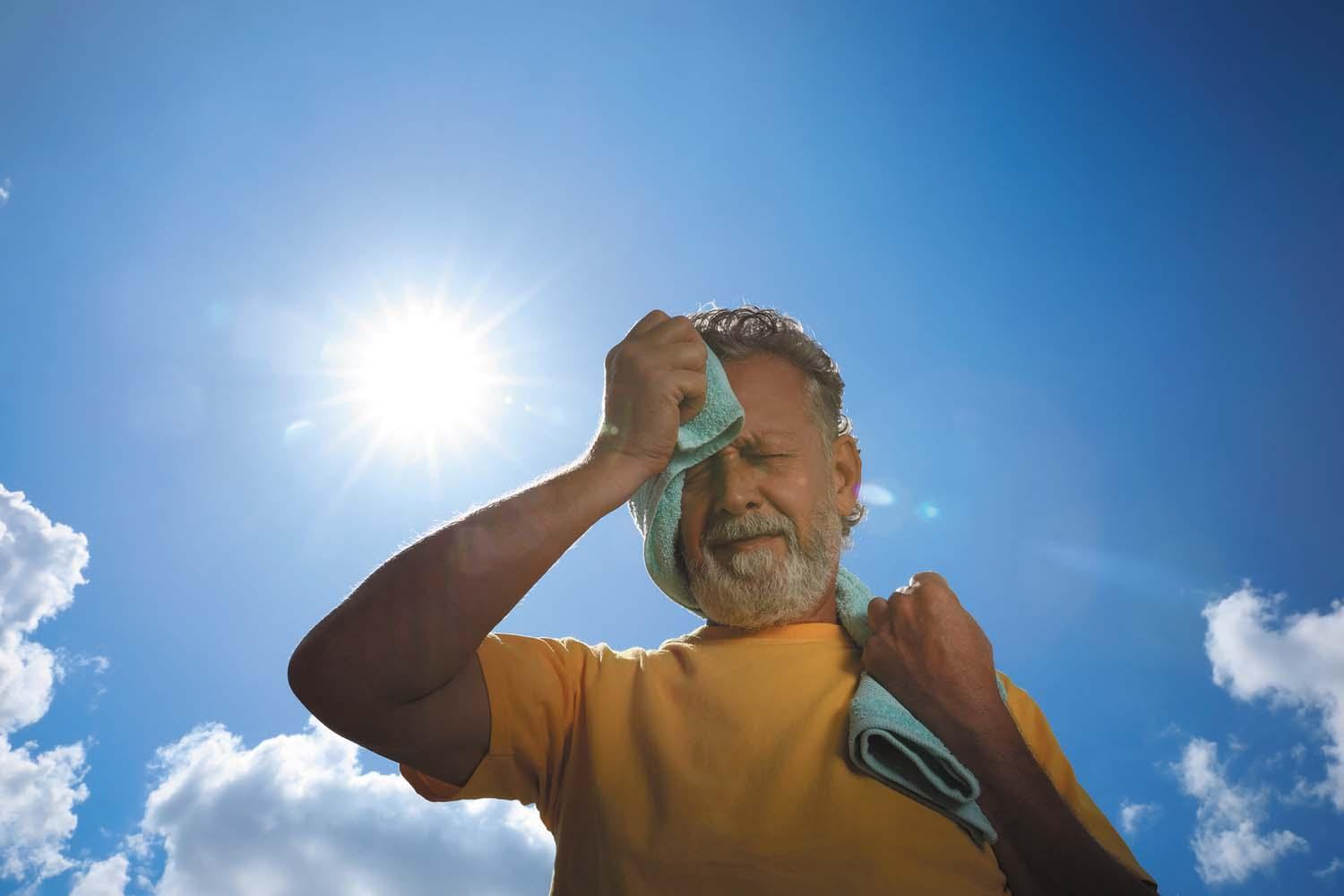
Feeling the heat
Older adults are especially vulnerable to heat-related ailments like heat exhaustion and heatstroke. The primary reason is biological, as aging bodies can't maintain a steady internal body temperature when external conditions change. Heart conditions and heart medications can add to the problem. Older adults can protect themselves from heat ailments by taking standard precautions during hot weather and recognizing the early symptoms of ailments so they can seek immediate treatment.

Wake-up to managing poor sleep
Guidelines recommend at least seven hours of sleep nightly for most healthy adults. But instead of fixating on a specific number of hours, experts suggest people focus on how well they sleep, also known as sleep quality. Improving sleep quality starts with recognizing the factors contributing to poor sleep. One way is for people to keep a sleep diary for one to two weeks to record details of their sleep experience. Afterward, they can review the information to identify any patterns that may be affecting their sleep and make adjustments.
Hip bursitis vs. arthritis: How to tell the difference
Fitness for longevity: Which type matters most?
Ministrokes linked to elevated risk of dementia
Continuous glucose monitors benefit people who don't need insulin
CoQ10: Should you take this popular supplement if you're on a statin?
Microplastics: A hidden health threat?
Oat vs. dairy milk: Nutrition, benefits, and downsides
What is tempeh? Benefits, nutrition, and how to use it
Healing after food poisoning
Whole grains may improve several heart risk factors at once
Free Healthbeat Signup
Get the latest in health news delivered to your inbox!
Sign Up
