

Hip bursitis vs. arthritis: How to tell the difference

Fitness for longevity: Which type matters most?

Ministrokes linked to elevated risk of dementia

Continuous glucose monitors benefit people who don't need insulin

CoQ10: Should you take this popular supplement if you're on a statin?

Microplastics: A hidden health threat?

Oat vs. dairy milk: Nutrition, benefits, and downsides

What is tempeh? Benefits, nutrition, and how to use it

Healing after food poisoning

Whole grains may improve several heart risk factors at once
Medical devices Archive
Articles

When the heart beats too slowly
Known as bradycardia, this heart rhythm disorder can cause fatigue, dizziness, and fainting.
The steady beat of your heart depends on a crescent-shaped cluster of cells in the upper right portion of your heart. Called the sinoatrial or sinus node, it emits a tiny jolt of electrical current that triggers the heart to contract and pump blood throughout the body (see illustration). Because the sinus node determines the heart's pace and rhythm, it is sometimes called the body's natural pacemaker.
Just as your skin, joints, and other parts of your body reveal signs of normal wear and tear as you age, so too can the structures inside your heart. "This age-related degeneration can affect the sinoatrial node and other parts of the heart's conduction system," says Dr. Peter Zimetbaum, director of clinical cardiology at Harvard-affiliated Beth Israel Deaconess Medical Center.

Pain relievers: A cause of higher heart risk among people with arthritis?
Research we're watching
To manage the painful joint disease known as osteoarthritis, people often take ibuprofen (Advil, Motrin) and naproxen (Aleve, Anaprox). But these and related drugs — known as NSAIDs — may account for the higher rates of heart disease seen in people with osteoarthritis, a new study suggests.
Researchers matched 7,743 people with osteoarthritis with 23,229 healthy people who rarely or never took NSAIDs. People with osteoarthritis had a 42% higher risk of heart failure and a 17% higher risk of coronary artery disease compared with healthy people. After controlling for a range of factors that contribute to heart disease (including high body mass index, high blood pressure, and diabetes), they concluded that 41% of the increased risk of heart disease related to osteoarthritis was due to the use of NSAIDs.

Getting a grip on hand osteoarthritis
Can you do anything about hand and finger joint pain?
Everyone experiences the occasional painful hands and sore fingers, but when osteoarthritis strikes, it can put a hold on many aspects of your life.
"As osteoarthritis progresses, you may lose some hand mobility, like the ability to grasp and hold objects," says Dr. Robert Shmerling, clinical chief of rheumatology at Harvard-affiliated Beth Israel Deaconess Medical Center and senior faculty editor at Harvard Health Publishing. "Over time, osteoarthritis can make the joints deformed, so it's harder to open and close your hands."

Taking multiple prescriptions can be risky
Simple organization and communication strategies can help you manage your medications and reduce health risks.
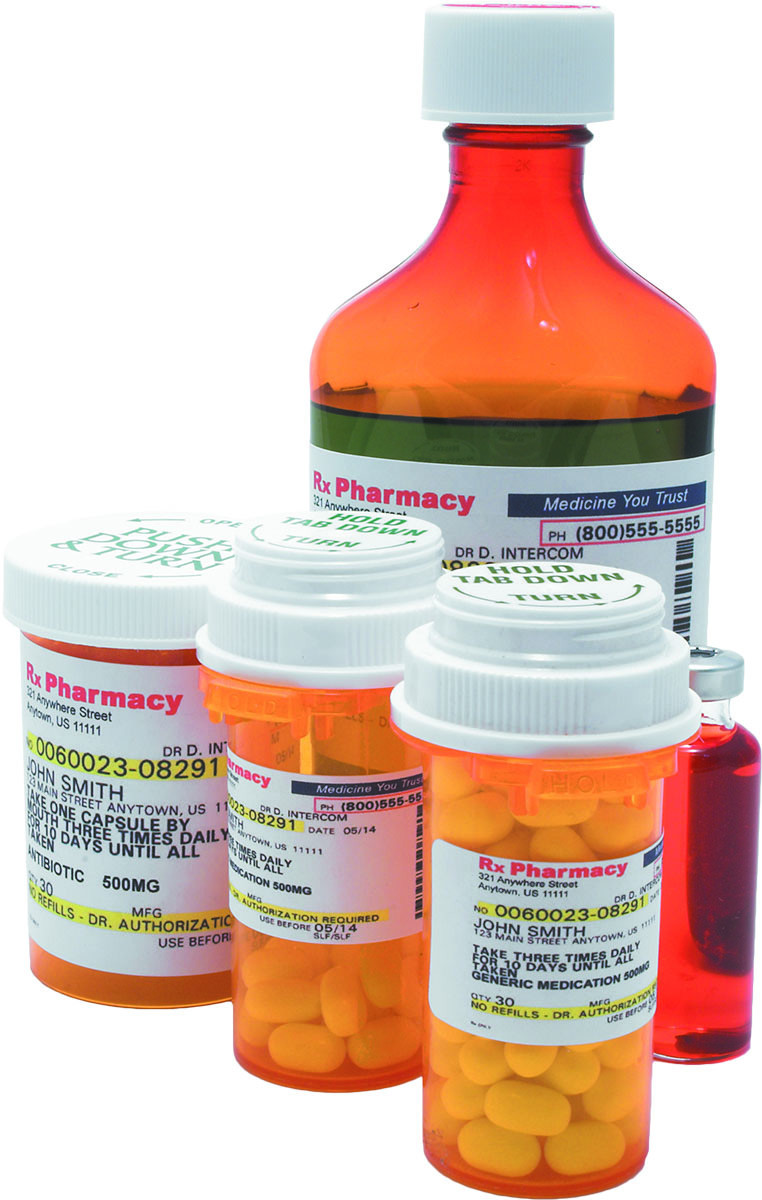
If your pillbox is overflowing, you're not alone. Some 60% of Americans have at least one chronic condition, and 40% have two or more, according to the CDC. Doctors often prescribe multiple drugs to manage them.
"Some studies have found that a large number of people are taking as many as 12 to 15 drugs at a time," says Dr. David Bates, a professor of medicine at Harvard Medical School.
What to do when medication makes you constipated
Antidepressants and opioids are common offenders.
It's frustrating when you feel the urge to move your bowels but can't seem to go. Before blaming your diet, consider whether medication side effects are causing your constipation.
Possible suspects
Many medications can contribute to constipation, including the following:

What to do when medication makes you sleepy
It may be as simple as adjusting the dose, avoiding alcohol, or taking the drug at a different time of day.
Image: iStock
One of the most commonly reported side effects of some medications is drowsiness. "Many people report tiredness or fatigue as a side effect from their medicines. However, there are things you can do to minimize the feelings of daytime sleepiness," says Laura Carr, a pharmacist at Harvard-affiliated Massachusetts General Hospital.
Typical offenders
Common culprits that cause sleepiness include antidepressants; antihistamines, found in sleep aids or medicines that treat allergies; anti-emetics, which are used to control nausea and vomiting; antipsychotics and anticonvulsants, which can be used to treat seizures or depression; drugs to treat high blood pressure, including alpha blockers and beta blockers; benzodiazepines and other sedatives, which are commonly used for anxiety or insomnia; drugs for Parkinson's disease; muscle relaxants; and opioids and other prescription pain medications. Many over-the-counter medicines may also make you drowsy, such as remedies for insomnia, allergies, nausea, vomiting, or diarrhea.

Are the new migraine medications working?
Doctors say three recently approved migraine prevention drugs are helping people have fewer headaches.
For people with frequent, debilitating migraine headaches, 2018 brought encouraging news. The FDA approved three new medications — erenumab (Aimovig), fremanezumab (Ajovy), and galcanezumab (Emgality) — the first drugs designed specifically to prevent migraines and reduce their frequency, intensity, and duration.
It was a big development, since other medications used to stop migraines were created to control other conditions, such as seizures, depression, high blood pressure, or an irregular heartbeat. But their side effects (such as weight gain, dizziness, or fuzzy thinking) often cause people to skip treatment.

Transforming the treatment of diabetes
Technology may help to provide more supportive, efficient, and effective care for diabetes, a leading contributor to heart disease.
About one of every 11 adults in this country has diabetes — a chronic, costly condition that's closely connected to heart disease. Lifestyle changes that encourage eating healthy foods, exercising, and losing weight are the cornerstone of managing both problems. But making those changes can often feel overwhelming and frustrating, especially for people with diabetes. They also need to keep tabs on their blood sugar levels, which are influenced by what and when they eat and exercise.
And getting effective support for managing diabetes with lifestyle changes isn't easy. "The current system for managing diabetes is broken," says Dr. Osama Hamdy, medical director of the Obesity Clinical Program at Harvard-affiliated Joslin Diabetes Center. For starters, there aren't nearly enough endocrinologists for the millions of people with diabetes in this country. Appointments with these specialists are often too short and too infrequent for people to make meaningful progress, he explains.

What is an implanted cardioverter-defibrillator, and who needs one?
Learn how these high-tech devices can save — and change — your life.
Defibrillators are devices that can detect — and correct — potentially deadly heart rhythms. The most common is ventricular fibrillation, which makes the heart's lower chambers (ventricles) quiver without actually squeezing and pumping. Blood stops flowing to the brain and other organs, causing the person to pass out. Death can occur within minutes.
A quick jolt of electricity can restore the heart's normal rhythm, however. The shock can be delivered from outside the chest with an automated external defibrillator (AED). Located in many public places, these portable devices can be used by medical personnel as well as untrained people, thanks to audible prompts that explain what to do. But some people are candidates for an implantable cardioverter-defibrillator (ICD), a miniature electronic device placed under the skin below the collarbone (see illustration).
Study links certain medications to a higher risk of dementia
But some experts say limitations of the study raise questions about the results.
Could one of your regular pills raise your risk of dementia? A study published online June 24 by JAMA Internal Medicine found that people over age 55 who took a daily dose of certain common drugs for approximately three years had a 50% higher risk of developing dementia.
The medicines in question are in a category known as anticholinergics, which are used to treat conditions as diverse as depression, urinary incontinence, allergies, and Parkinson's disease. The study's authors say the findings should prompt doctors to use caution or potentially even avoid prescribing certain medications to people over age 45 on a long-term basis if there are other options available.
Hip bursitis vs. arthritis: How to tell the difference
Fitness for longevity: Which type matters most?
Ministrokes linked to elevated risk of dementia
Continuous glucose monitors benefit people who don't need insulin
CoQ10: Should you take this popular supplement if you're on a statin?
Microplastics: A hidden health threat?
Oat vs. dairy milk: Nutrition, benefits, and downsides
What is tempeh? Benefits, nutrition, and how to use it
Healing after food poisoning
Whole grains may improve several heart risk factors at once
Free Healthbeat Signup
Get the latest in health news delivered to your inbox!
Sign Up
