

Hip bursitis vs. arthritis: How to tell the difference

Fitness for longevity: Which type matters most?

Ministrokes linked to elevated risk of dementia

Continuous glucose monitors benefit people who don't need insulin

CoQ10: Should you take this popular supplement if you're on a statin?

Microplastics: A hidden health threat?

Oat vs. dairy milk: Nutrition, benefits, and downsides

What is tempeh? Benefits, nutrition, and how to use it

Healing after food poisoning

Whole grains may improve several heart risk factors at once
Medical devices Archive
Articles
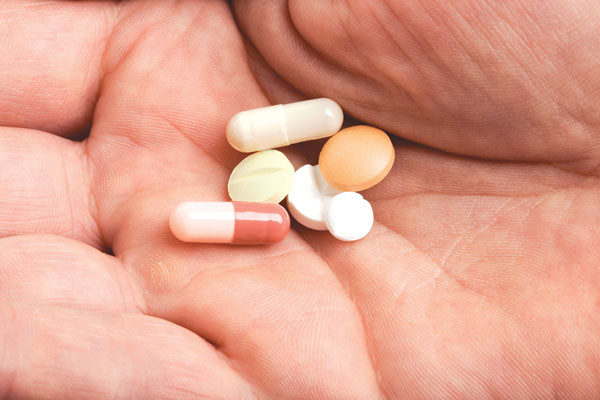
Does it matter how you lower your cholesterol?
Certain cholesterol-lowering medications—namely, ezetimibe (Zetia) and drugs known as bile acid binders—also appear to be effective at lowering cholesterol and reducing the risk of serious cardiovascular events.
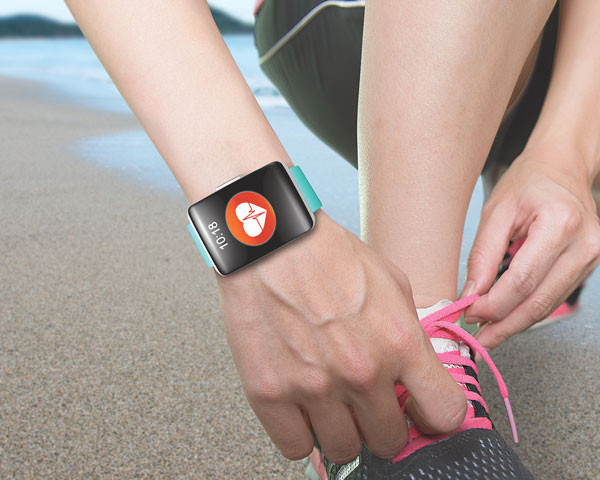
Are wristwatch-style heart rate monitors accurate?
Wristwatch-style fitness monitors use a sensor that detects blood flow through the skin to estimate a person’s heart rate. Some brands are more accurate that others, but none are as accurate as chest-strap monitors.

When is it okay to split medication in half?
Splitting a pill into two equal halves is sometimes necessary when needing to adjust dosage, or as a means to save money buy purchasing higher-dose pills. However, splitting is not safe for all pills, so a person should always consult a pharmacist or doctor.
Drugs to prevent heart attacks may also lessen their severity
Medications such as aspirin, statins, ACE inhibitors, and beta blockers are prescribed to certain patients to lower the chance of a first or repeat heart attack. New research shows that they also may reduce the severity of attacks that do occur.

Ask the doctor: Is placing an IUD immediately after delivery safe?
Mobile app reduces stress incontinence episodes in small trial
Women who used Tät, a smartphone app, did more pelvic floor exercises and had greater reductions in episodes of stress incontinence.

Is your antidepressant making life a little too blah?
Some drugs go too far, dulling emotions across the spectrum. A dose adjustment or a switch to a different medication can help.
Image: Wavebreakmedia/Thinkstock
When your doctor prescribes a medication for depression, the goal is to reduce painful feelings of sadness or hopelessness. The majority of people taking the most commonly prescribed antidepressants—selective serotonin reuptake inhibitors (SSRIs)—improve substantially. But sometimes, SSRIs go beyond improving mood and make a person feel too little emotion. "Some people feel like they've lost the richness of daily life," says Dr. Michael Craig Miller, assistant professor of psychiatry at Harvard Medical School.
Serotonin and SSRIs
Too effective?
Scaling back the intensity of moods is often the goal. "It's a huge relief if you're very irritable, easily upset, or feeling overly burdened by stress," says Dr. Miller.
But for some people, the reduction in intensity can be experienced as a "blunting" or "dulling" of their emotions. "You might not cry at a movie's happy ending or laugh with the same gusto. Or you might feel apathetic and not get the same kick out of doing things you enjoy, like playing golf or painting," Dr. Miller explains.
Sometimes the blunting affects sexual response. "Some people will say they're not having the same sexual pleasure," says Dr. Miller.
What you should do
Reminder: Don't skip blood pressure medication
Millions of older adults aren’t taking their blood pressure drugs as directed. Ways to combat adherence problems include asking a doctor for less expensive drugs, understanding what a medication is for, and reporting side effects.

How to trim your medication costs
Prescription drug prices are rising. Three strategies may help lower your pharmacy bill.
Image: UrosPoteko/Thinkstock
If you're trying to avoid (or already have) heart disease, chances are you're taking several prescription medications. In fact, about a third of adults over age 62 take at least five prescription drugs, which can be a real budget buster for some people. And recent rises in drug prices, especially for new, brand-name medications, are enough to make anyone gulp.
"By working with your doctor and your pharmacist and spending some time shopping around, you may be able to lower your pharmacy bill," says John Fanikos, director of pharmacy at Harvard-affiliated Brigham and Women's Hospital. He suggests three main strategies:

Gene discoveries may pave the way for new blood pressure drugs
The discovery of 44 gene sites associated with high blood pressure may provide leads for developing new drugs to treat this common condition.
Hip bursitis vs. arthritis: How to tell the difference
Fitness for longevity: Which type matters most?
Ministrokes linked to elevated risk of dementia
Continuous glucose monitors benefit people who don't need insulin
CoQ10: Should you take this popular supplement if you're on a statin?
Microplastics: A hidden health threat?
Oat vs. dairy milk: Nutrition, benefits, and downsides
What is tempeh? Benefits, nutrition, and how to use it
Healing after food poisoning
Whole grains may improve several heart risk factors at once
Free Healthbeat Signup
Get the latest in health news delivered to your inbox!
Sign Up
